 Edward DP Situmorang
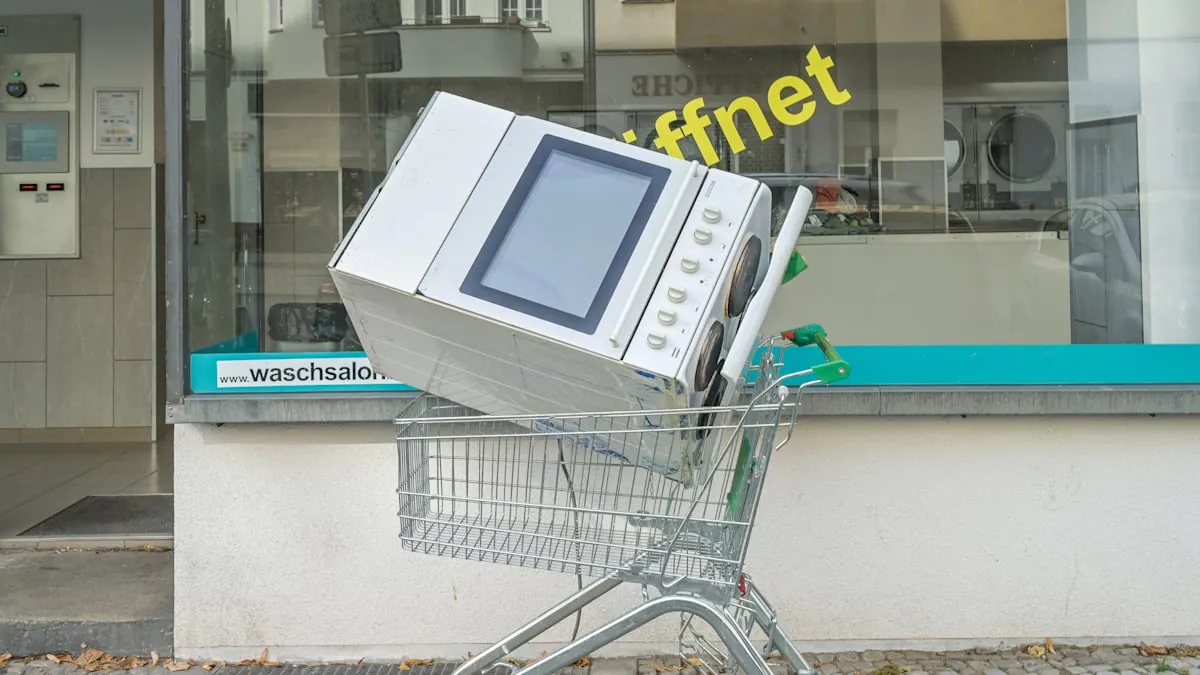
Berlin — Stefan Evers, the newly elected lead candidate for the Christian Democratic Union (CDU) in Berlin's upcoming elections, sparked a wave of controversy in early 2026 with his radical proposal. Evers suggested that welfare recipients in the German capital should be mandated to participate in a city-wide cleanup program, a step he deems essential to combat the escalating litter problem. This idea immediately ignited extensive debate within political circles and society.
The initiative emerges amidst widespread public concern regarding Berlin's cleanliness. Streets and public spaces are frequently marred by accumulated waste, projecting an image of a poorly maintained city. Evers argues that this program would not only improve the city's aesthetics but also instill a sense of communal responsibility.
In his statements to local media, Evers clarified that his proposal is not a form of punishment but rather social integration. "We are facing an increasingly serious litter problem in Berlin. The solution must be comprehensive. By involving those who receive public benefits in these cleanliness efforts, we hope to foster ownership and active contribution to our city's environment," Evers stated at a press conference at the CDU office in Berlin.
However, the proposal immediately drew sharp criticism from various parties, especially from opposition parties and social advocacy organizations. The Green Party and The Left Party (Die Linke) expressed deep concern, labeling the proposal as a form of stigmatization against vulnerable groups. "Imposing city cleaning duties solely on welfare recipients is a regressive step that exacerbates discrimination," asserted a spokesperson for The Left Party in Berlin.
Critics contend that the proposal violates principles of human dignity and social justice. They fear potential labor exploitation and that the measure would create a class of forced laborers among the population most in need of support.
Several economists and social policy experts also questioned the practical effectiveness and financial implications of such a program. They suggested that funds allocated to implement and oversee this program might be better utilized for investments in improved waste management infrastructure or empowering job training programs.
Nevertheless, the CDU maintains its proposal. They view it as part of a larger vision to create a cleaner and more cohesive city. Other party members highlighted the success of similar programs in several other European countries, where community involvement in maintaining environmental cleanliness has yielded positive impacts.
Public opinion in Berlin is divided. Initial surveys indicate significant support from segments of society frustrated by the city's cleanliness, while others strongly oppose it, viewing it as an attempt to shift governmental responsibility onto the most vulnerable citizens.
This debate is expected to become a central issue in the upcoming election campaign. How Stefan Evers and the CDU navigate criticism and explain the program's implementation details will significantly determine public acceptance and their electoral outcome. The proposal has also garnered national attention, reminiscent of similar discussions regarding the role of the state and citizens in addressing urban challenges.
Issues concerning democracy and anti-system forces are also frequently discussed in Germany, as warned by the German President. This debate adds complexity to Berlin's increasingly dynamic political landscape, reflecting tensions between conservatism and progressivism. This issue echoes broader discussions about the challenges facing democracy in the country, similar to sentiments expressed in the article German President Warns: Democracy Threatened by Anti-System Forces!.
Whether this proposal will become actual policy or merely a political maneuver, only time will tell. What is clear is that Stefan Evers has successfully placed the issue of urban cleanliness and the role of social benefits at the heart of public debate, shifting the campaign's focus towards a more substantive and controversial direction.