 Chris Robert
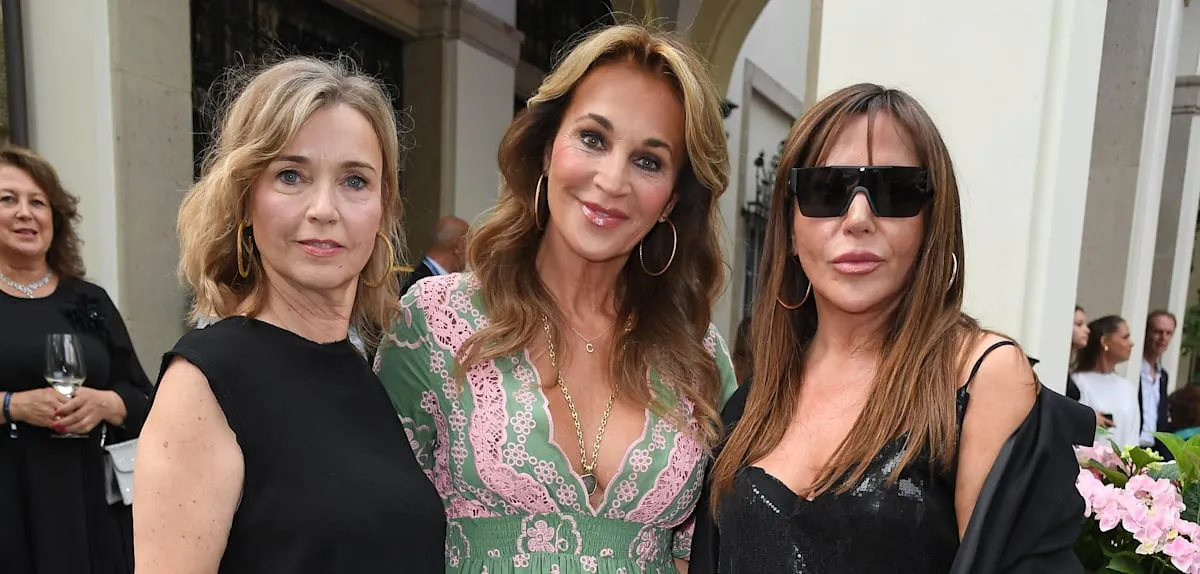
BERLIN — The German political stage is once again heating up, not from a parliamentary podium, but from the glittering red carpet. A number of prominent senior actresses, including screen icon Simone Thomalla, have surprisingly vented their disappointment and sharp criticism towards Berlin Mayor Kai Wegner and the established parties (Altparteien). This incident occurred amidst what was supposed to be a festive Emmy Party evening in 2026.
The criticism emerged when the celebrities, previously known for being apolitical in the public sphere, refused to engage in small talk and openly expressed their dissatisfaction. They highlighted what they termed a “retreat” or failure of political leadership in Berlin, a sentiment now widely echoed among the populace.
Simone Thomalla, a charismatic and respected figure in the German entertainment industry, became one of the most vocal critics. In statements recorded by several local media outlets, Thomalla expressed her frustration with the direction of policies and the city government's response to various challenges facing Berlin. This criticism directly targeted Kai Wegner, the incumbent Governing Mayor of Berlin, and implicitly challenged the existing political narrative.
Sources at the Emmy Party reported that the atmosphere suddenly became tense. What began as light conversation among stars and invited guests turned into an intense political discussion forum. The actresses voiced the opinion that Berlin's political representation had lost touch with the realities and needs of its citizens.
The issue of “retreat” they referred to is believed to allude to a series of controversial policies or decisions made by the city administration under Kai Wegner. This could include infrastructure problems, handling of social crises, or even responses to global economic issues directly impacting the welfare of Berliners.
This moment of public criticism from non-political figures is not without precedent. However, the unity and sharpness of the attack launched at an event as prominent as the Emmy Party indicate a significant level of frustration. It underscores that political dissatisfaction is no longer confined to academic or activist circles but has spread to various segments of society, including influential celebrities.
This event has the potential to spark a broader discussion on political accountability and the effectiveness of governance in Germany. In the dynamic German political context of 2026, where left-wing opposition parties are intensifying their criticism of austerity policies and accusing the CDU of being timid in Berlin, the voices of these celebrities add a new dimension to the debate.
Political observers note that criticism from public figures like Thomalla can rapidly shape public opinion and exert additional pressure on Mayor Wegner and his party. The resonance of celebrity statements is often stronger and spreads faster than criticism from conventional political channels.
These statements also reflect a shift in the role of celebrities in modern society, from mere entertainers to voices for public dissatisfaction. They leverage their platforms to articulate concerns felt by many citizens, demanding transparency and better performance from policymakers.
The incident at the Emmy Party serves as an important reminder to politicians that they remain under close scrutiny, not only from the media and opposition but also from influential public figures. The demand for responsive and effective leadership appears set to continue as a key focus on the political agenda of Berlin and Germany in the foreseeable future.