 Stefani Rindus
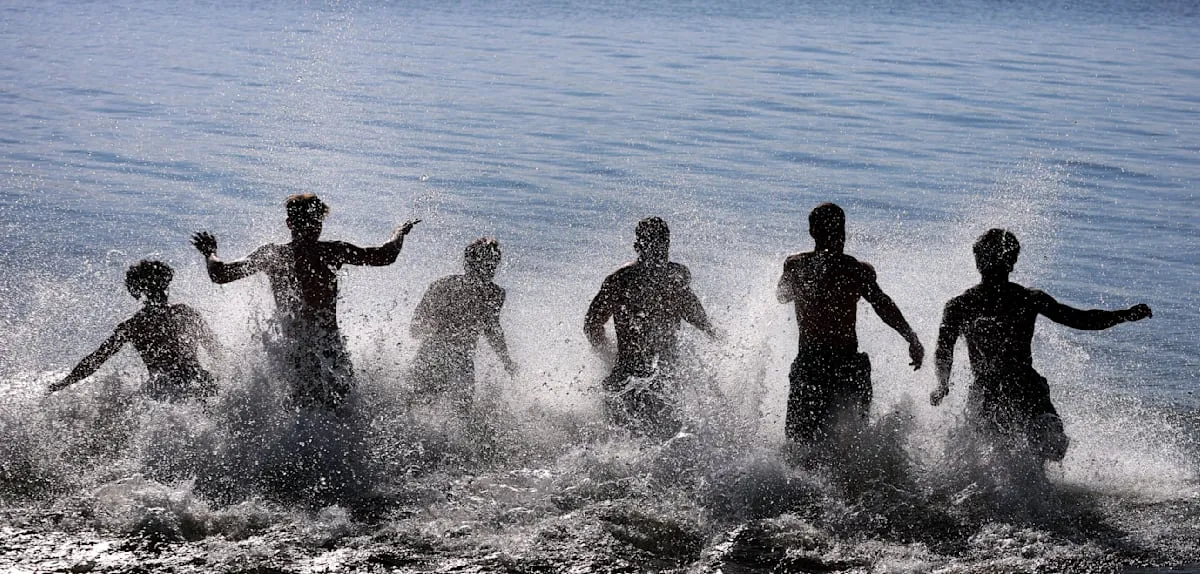
GERMANY — The summer of 2026 in Germany opened with a somber note. A total of 99 individuals lost their lives due to swimming-related incidents throughout June. This tragedy once again highlights the urgency of understanding water safety and the ability to identify potential dangers, which are considered fundamental elements for safely enjoying water recreation.
These alarming fatalities were reported across various aquatic locations, ranging from lakes and rivers to public swimming pools nationwide. This data, also featured in the article Germany's Red Alert: 99 Lives Lost, Recreational Swimming Ends Tragically, has sparked profound concern among authorities and the public regarding increased risks during the recreational season.
Initial investigations suggest that many of these tragic incidents are closely linked to inadequate swimming skills. Most victims reportedly lacked a strong swimming foundation or underestimated seemingly calm water conditions that concealed strong currents or unexpected depths.
Beyond swimming proficiency, other contributing factors include ignorance or disregard for safety rules. Many swimmers, especially in unsupervised areas, tend to ignore warning signs, swim alone, or are under the influence of alcohol, increasing their vulnerability to fatal accidents.
Water safety experts emphasize the importance of early education. Basic swimming ability should be a mandatory skill for every individual, similar to learning to read or write. It is not merely a sport but an essential life skill that can save lives.
The German federal government, through the Ministry of Interior, expressed serious concern over this data. Ministry spokesperson, Dr. Anya Mueller, stated in a press conference in early July 2026, "Every death is a preventable tragedy. We will intensify awareness campaigns and support for national swimming course programs."
Coast guard and rescue organizations, such as DLRG (Deutsche Lebens-Rettungs-Gesellschaft), have long advocated for the importance of swimming education. They report that many children in Germany enter school age without basic swimming abilities, a worrying trend that needs immediate attention.
Pihak DLRG also advises parents to be proactive in preparing their children before formal swimming lessons. This includes familiarizing children with water, teaching basic rules around water bodies, and ensuring they are always supervised when near water.
Other highlighted preventive measures include not swimming after consuming alcohol, avoiding swimming in unknown or unsupervised areas, and always paying attention to weather conditions and local warning signs.
This tragedy serves as a bitter reminder that the pleasure of water recreation comes with great responsibility. Collective awareness and coordinated efforts from families, communities, and the government are necessary to ensure that a beautiful summer no longer turns into a period of mourning.
Public education on personal risk assessment is also crucial. Often, individuals feel overly confident in their abilities or fail to identify signs of fatigue while swimming, which can lead to fatal emergencies.
The increased number of visitors to public water areas during peak summer also plays a role. Facilities with limited supervision become more vulnerable to accidents when visitor density dramatically increases.
Local authorities across Germany are now urged to review and tighten security protocols at water recreation sites. The installation of clear warning signs, an increased number of lifeguards, and regular patrols are expected to reduce similar incidents.
Initiatives such as a "National Water Safety Day" in late July 2026 are planned to massively increase public awareness. This event will involve rescue demonstrations, short training sessions, and the distribution of educational materials to the wider community.
The public is encouraged not only to rely on facilities or authorities but also to take personal responsibility for their own safety and that of their loved ones. Basic first aid education for drowning incidents is also recommended.
Thus, the tragic events of June 2026 are hoped to be a turning point for Germany. Not just as a warning, but as a catalyst for systematic improvements in water safety culture, ensuring that everyone can enjoy the beauty of its waters without fear.