 Robert Andrison
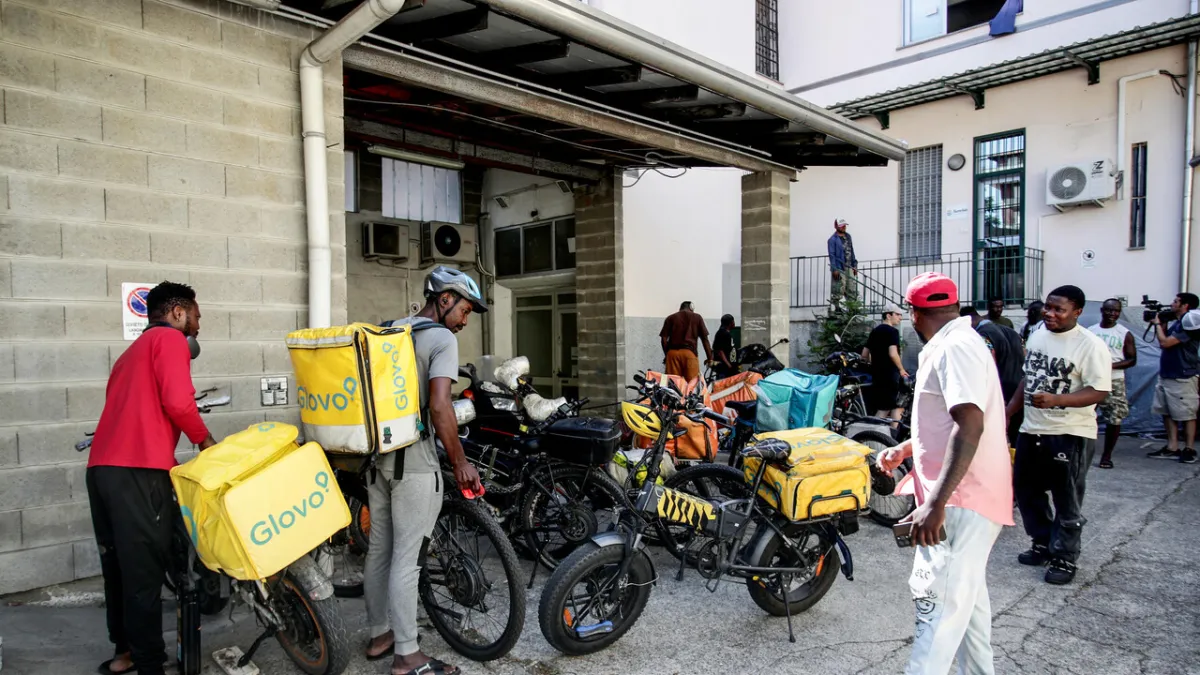
Florence — Hundreds of delivery riders in Florence, Italy, are preparing to launch a major strike on July 15, 2026. This action is spurred by inadequate low wages and extreme working conditions amidst a heatwave sweeping across Europe, coupled with demands to abolish the exploitative piece-rate wage model.
The delivery workers complain of insufficient earnings, often falling below recommended minimum wage standards, even after working long hours. The situation is exacerbated by soaring extreme temperatures in the summer of 2026, posing serious health risks to those working on the streets without adequate protection.
The piece-rate wage system, known in Italian as 'cottimo', is a central focus of the protest. Under this model, a rider's pay is determined per successful delivery, with no guarantee of an hourly minimum wage or fair compensation for waiting times and adverse weather conditions they face.
The uncertainty of income and the absence of fundamental social security have created constant pressure for workers to race through orders. This condition systematically erodes their well-being, pushing them into a cycle of economic vulnerability.
A union spokesperson, in a statement, affirmed that the primary goal of the strike is "to definitively overcome the piece-rate model." They demand that delivery platform companies adopt fairer employment contracts and provide adequate social protection for riders.
In addition to wages, the issue of occupational safety and health has also emerged as a crucial demand. Working under extreme sun exposure without adequate breaks, access to drinking water, or other support facilities, increases the risk of fatigue, dehydration, and potential road accidents.
This strike movement represents a strong call for justice and recognition of the fundamental rights of workers in the rapidly expanding gig economy. It clearly highlights the disparity between the promise of flexibility offered by digital platforms and the reality of exploitation experienced by workers on the ground.
The strike is expected to significantly disrupt food and goods delivery services throughout the city of Florence. Consumers are advised to prepare for potential delays or cancellations of services and may need to seek alternatives during the strike period.
Although there have been no direct statements from delivery platform companies yet, this action is expected to exert substantial pressure on them to promptly enter negotiations. The main demands are to re-evaluate compensation structures and implement more humane and responsible working policies.
Similar protests are not new in Italy or in various major European cities. Many regions have witnessed demonstrations by delivery workers demanding better working conditions, indicating a global trend related to the struggle for gig economy workers' rights.
This situation also puts the local government of Florence and the national government of Italy under pressure to formulate clearer regulations. These regulations are expected to protect gig economy workers, ensuring they receive benefits and protections equivalent to conventional employees.
The Florence strike serves as an important barometer for the future of employment in the digital age. It demonstrates that new business models must be balanced with ethical and social considerations, to create more humane and fair industry standards for all parties.