 Angel Doris

EUROPE — The Old Continent faces a serious demographic threat in 2026. Continuously plummeting birth rates are creating a “depopulation dynamic” that haunts cities, questioning their future sustainability and cultural identity. Politicians across Europe, from Brussels to national capitals, are still searching for effective approaches to combat this silent decline, yet a comprehensive solution remains elusive. This situation forces some cities to fight desperately for their existence, while others, despite successfully maintaining population growth, pay a heavy price with the potential loss of their identity.
The decline in birth rates is no longer just a statistic; it is a bitter reality directly felt in various communities. Data indicates that in many European Union member states, fertility rates are well below the generational replacement threshold of 2.1 children per woman. This condition is exacerbated by increasing life expectancy, resulting in a significantly aging population.
Take Vallejo, a hypothetical small town in rural Spain, as an example. Once bustling with young families and children playing on its cobbled streets, Vallejo now struggles against decline. Its primary schools face closure due to a scarcity of new students. Traditional grocery stores and community centers are shutting down one by one, leaving an increasingly quiet and listless landscape.
“We are watching this town slowly lose its soul,” says Maria Gonzales, a 50-year-old teacher in Vallejo who has served for three decades. “My classroom used to be full of laughter; now I often teach fewer than ten students. Who will continue our traditions and culture if there are no children?”
Local governments in towns like Vallejo are trying various initiatives to attract young families back. Financial incentives for couples having children, housing subsidies, and campaigns promoting a peaceful rural lifestyle are actively implemented. However, the allure of larger cities with job opportunities and modern facilities is often hard to match, making these efforts feel like swimming against a strong current.
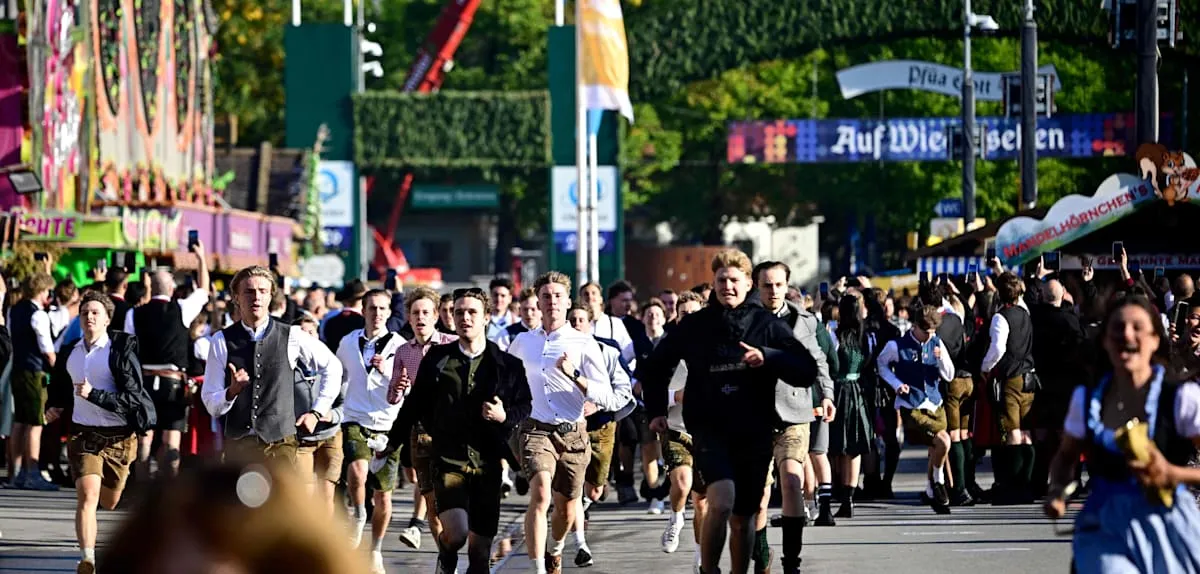
In stark contrast, metropolitan cities continue to show stable, even increasing, population growth. Munich, for instance, maintains a robust population. However, this phenomenon is not solely driven by a rise in birth rates among native inhabitants. Instead, internal and international migration form the backbone of demographic growth in these urban centers.
The influx of residents from diverse backgrounds indeed brings new economic and cultural vitality. Cities become more multicultural, dynamic, and progressive. Nevertheless, for some local residents, especially the older generation, these changes raise concerns about the identity of the city they once knew.
“The Munich I knew since childhood now feels foreign,” remarks Klaus Schneider, a 75-year-old retired engineer. “The language, customs, even the architecture, everything has changed. We welcome newcomers, but does this mean we have to lose our essence?” This concern reflects the dilemma faced by many large European cities, where demographic success confronts the challenges of integration and preserving local identity.
European politicians, including leaders in the European Parliament, have repeatedly discussed this crucial issue. However, they have yet to find a “magic” policy formula to address the complexities of declining birth rates. Programs such as extended parental leave, affordable childcare facilities, and tax incentives for families, while helpful, have not been enough to significantly reverse the trend. This crisis is also closely linked to the challenges faced by modern working parents in 2026, where balancing career and family becomes increasingly difficult. Read more about The Dilemma of Working Parents 2026: Sick Child, Threatened Career? Government Intervenes.
Demographic studies indicate that factors such as economic uncertainty, high cost of living, career expectations, and changes in social values all influence couples’ decisions to have children. These issues require integrated and multidimensional solutions, not just single policies.
Europe’s depopulation crisis is not merely a threat to the physical existence of cities, but also to the economic sustainability, social welfare systems, and cultural diversity of the continent. If not addressed immediately with comprehensive and bold strategies, Europe risks losing not only its children but also its very future. The phenomenon of Aging Europe: Cities Battling the Threat of Population Extinction 2026 is becoming more apparent, demanding serious attention from every stakeholder.