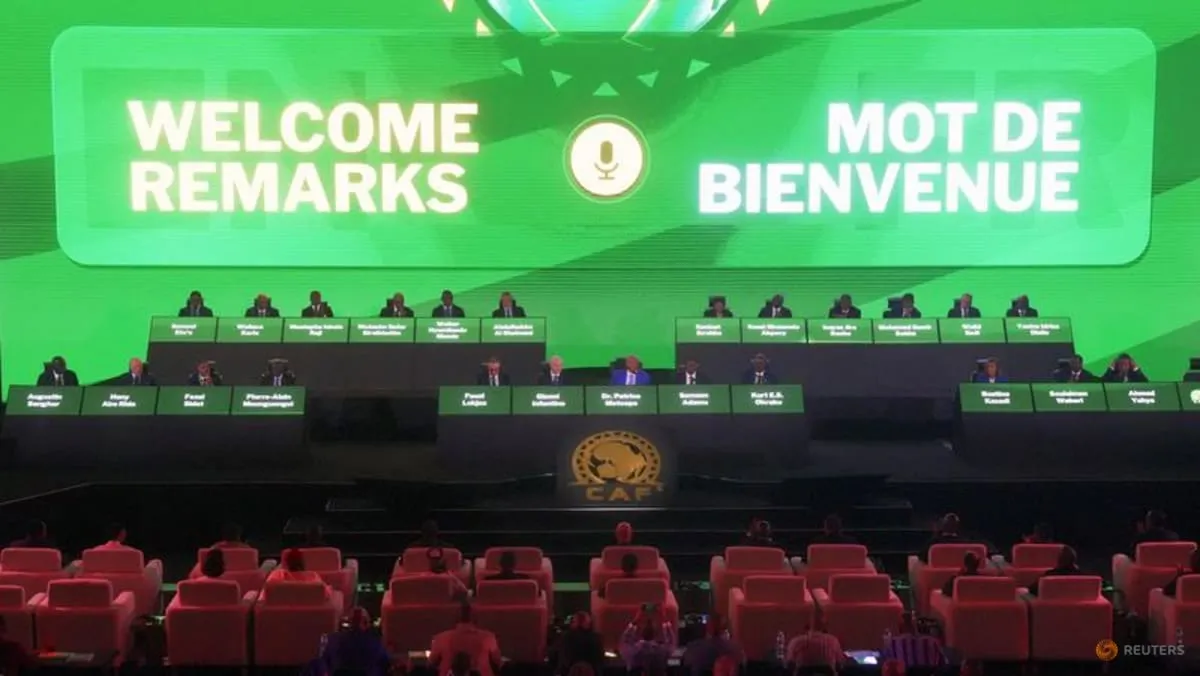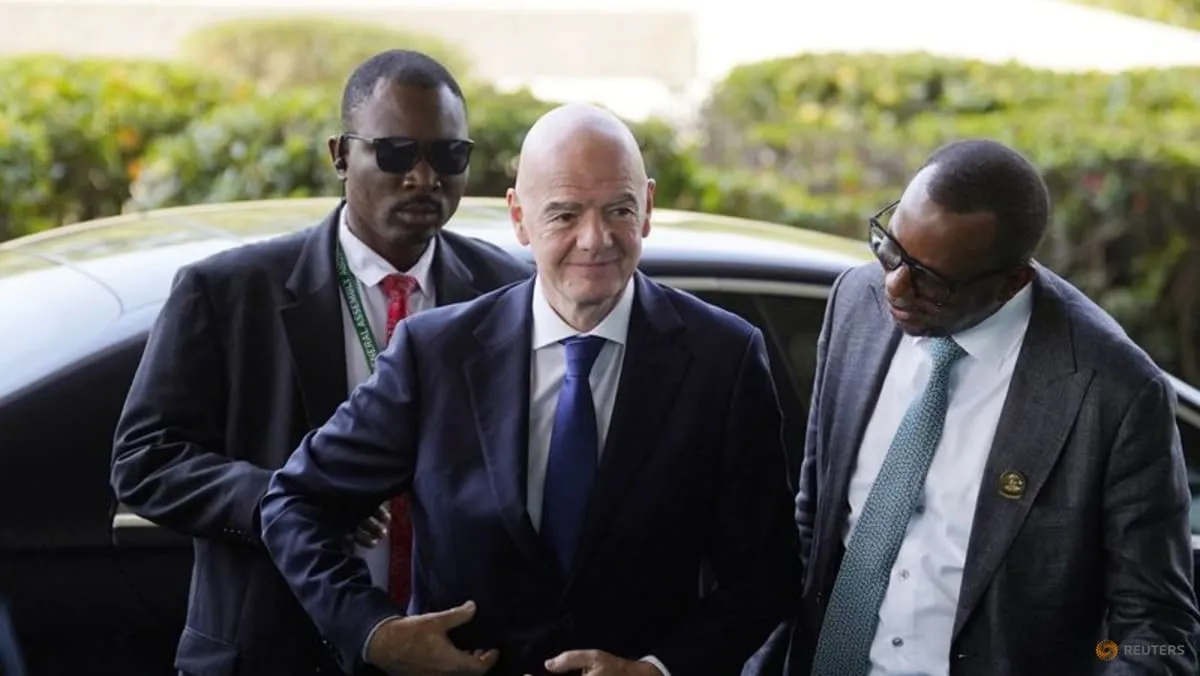
DAKAR – The Confederation of African Football (CAF) has officially declared its full support for Gianni Infantino to serve again as FIFA President in the upcoming election. This unanimous decision, announced during CAF's recent Extraordinary General Assembly in Dakar, Senegal, underscores the African continent's solid backing for Infantino's leadership, deemed crucial for the stability and future direction of global football.
This endorsement marks a significant step in Infantino's re-election campaign, which appears set to secure a new mandate for the 2027-2031 term. CAF, as one of the largest and most influential football confederations worldwide, casts a powerful vote, ensuring Infantino enters the contest with substantial political capital.
Patrice Motsepe, CAF President, reiterated his organization's commitment to Infantino's vision. 'We stand firmly behind President Infantino. His leadership has brought tremendous innovation and inclusion to African football,' Motsepe stated during a press conference following the assembly. 'Increased funding allocations, infrastructure development, and broader opportunities for member nations are clear evidence of his dedication.'
Since his initial election in 2016, Gianni Infantino has led FIFA through a series of reforms and expansions. Global football development programs, increased participation in the World Cup, and an emphasis on sustainability have been key highlights of his tenure.
Infantino himself welcomed CAF's support, viewing it as recognition of collective hard work. 'The support from the African football family is a great honor and a responsibility I carry with all my heart,' Infantino remarked. 'Together, we will continue to build a brighter, more inclusive, and more competitive future for football.'
The next FIFA presidential election is scheduled to take place in the first quarter of 2027, although preparations and declarations of support have begun intensely since 2026. With strong backing from Africa, Infantino's chances of retaining his position appear highly favorable.
The African continent, with its 54 FIFA member nations, plays a vital role in every presidential election. History shows that voting blocks from major confederations often determine the direction of world football's highest leadership.
Infantino's main agenda for the next term is predicted to include the continued expansion of the FIFA World Cup to 48 teams, the development of women's football, and the implementation of new technologies in the sport. Issues such as financial sustainability for member federations and transparent governance will also be priorities.
While CAF's support is based on consensus, some football observers highlight potential challenges Infantino might face. Reforms to the player transfer system and agent regulations, for instance, still require in-depth discussion to reach global agreement.
On the other hand, the solidity of African support also indicates that Infantino has successfully fostered strong relationships with federations across the continent, a strategic legacy he has built since his first term. Regular visits and FIFA's technical assistance programs in Africa are believed to be key factors.
The meeting in Dakar served as a platform for Infantino's political power consolidation. Assembly participants, representing various African football associations, unanimously approved this motion of support, sending a clear message to the international football community.
This CAF decision is not only important for Infantino personally but also for the stability of the FIFA organization. Consolidating support from a key continent will minimize significant electoral competition, allowing FIFA to focus more on its development agenda.
Against a backdrop of global geopolitical dynamics, including tensions in various regions and economic challenges, football is expected to remain a unifying force. Stable leadership at FIFA, supported by major confederations, is considered essential to maintain that momentum.
Editorial Insight: CAF's unanimous endorsement of Gianni Infantino is more than a political formality; it reflects Infantino's success in establishing influence and vision within one of FIFA's largest voting blocs. This consolidation indicates a smoother period of leadership ahead, but it also demands that Infantino continues to demonstrate tangible commitment to football development at all levels, particularly in regions that traditionally require more attention. Integrity and transparency will be crucial in maintaining this trust.