 Demian Sahputra
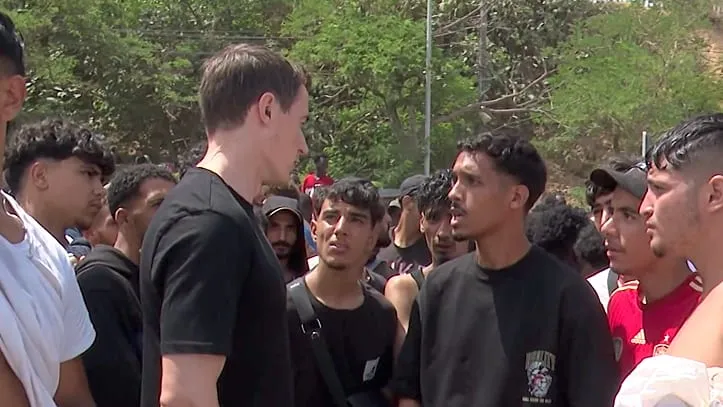
CEUTA — Tensions in the Spanish enclave of Ceuta have gradually subsided following the influx of tens of thousands of migrants in 2026. However, this calm has not silenced the astonishing revelations from migrants interviewed by WELT journalist Max Hermes. They explicitly claim that the Moroccan military deliberately did not stop them from crossing the border, a confession that could trigger diplomatic friction and reignite fierce debate over accountability for the humanitarian crisis at Europe's gateway.
Max Hermes's report, based on direct conversations with young migrants in Ceuta, reveals poignant details. These migrants, still lingering in the enclave, shared their experiences fraught with uncertainty. They recounted being told explicitly, "You are not welcome here," a statement encapsulating the harsh reality for asylum seekers at one of the European Union's outermost points.
The extreme migratory wave that brought over 50,000 individuals has placed Ceuta under immense pressure. This autonomous Spanish city on the northern coast of Africa, bordering Morocco, has long symbolized both hope and despair for thousands dreaming of reaching European soil. The scale of arrivals during this period highlights the fragility of existing border systems.
For these young migrants, their journey extends beyond mere physical border crossings. They leave behind poverty, conflict, and a lack of hope in their home countries, risking everything for a chance at a better life on the European continent. This motivation is often far stronger than the threat of rejection or the dangers of the journey itself.
The claim that the Moroccan military did not impede their progress raises significant questions about Rabat's role in border security. If true, this could be interpreted as a deliberate move, possibly as a bargaining chip in its complex political and economic relations with Spain and the European Union. Such incidents are not new in the history of Morocco-Spain relations.
Spain, as an outer guardian of Europe, bears a heavy burden in managing migrant arrivals. The Spanish government, under its Prime Minister who in 2026 continues to face these challenges, must balance humanitarian obligations with domestic pressure to tighten border controls. The incident in Ceuta adds to a long list of problems facing Madrid.
The European Union has not remained silent. The Ceuta Crisis Heats Up, Europe Demands Stronger Outer Border Fortifications has become a key agenda item. European leaders, including representatives from Germany, have openly expressed concern and called for solidarity with Spain. This reflects an understanding that the crisis in Ceuta is an overall European crisis, requiring a coordinated response.
Calls to strengthen the European border agency, Frontex, with full command authority are also gaining traction. The Ceuta Migrant Crisis: Weber Urges Frontex Be Given Full Command Power, enhancing its role in securing the EU's external borders. This step is expected to create a more robust and integrated system for managing future migration waves.
The statement "You are not welcome here" heard by Ceuta migrants underscores the moral and ethical dilemma facing Europe. The human rights of asylum seekers often clash with increasingly strict immigration policies. Conditions in reception centers, deportation processes, and the uncertain future of migrants are under intense scrutiny from humanitarian organizations.
Europe Tightens Schengen Controls to Spain Amid Migrant Crisis is one of the direct responses to this situation. It demonstrates that the impact of the Ceuta crisis extends to the heart of Europe's internal policies, affecting freedom of movement among member states and demanding closer coordination in border management.
Despite the various responses, fundamental questions remain relevant: how can the European Union create a fair and humane system to manage migration while safeguarding its border integrity? The events in Ceuta are a constant reminder that this issue is far from resolved and requires a comprehensive approach involving diplomacy, humanitarian aid, and effective border security.