 Chris Robert
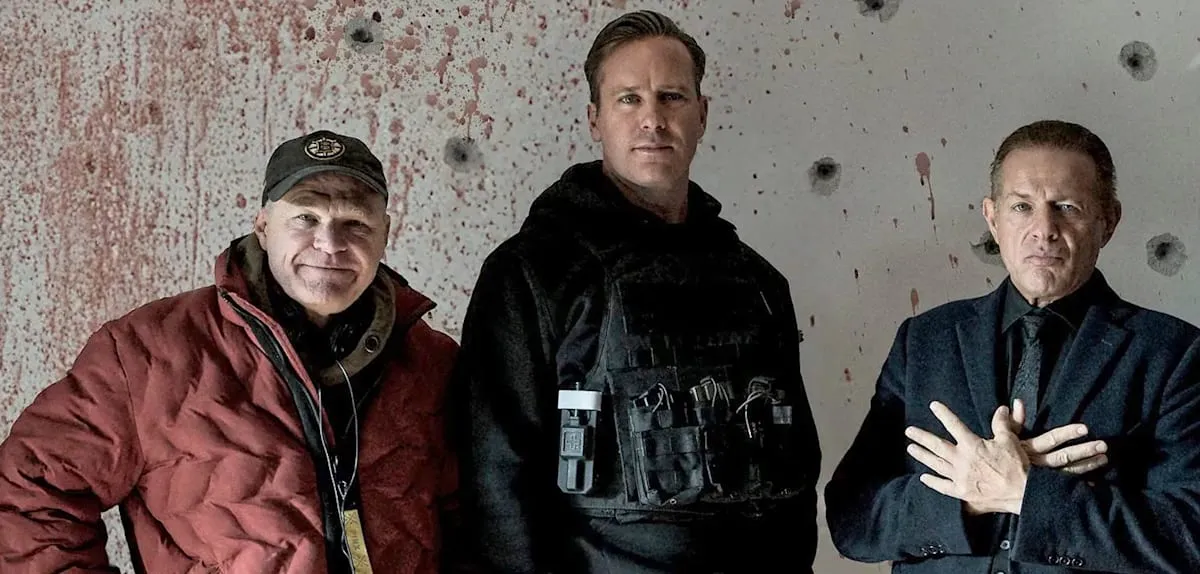
BERLIN — Germany's Voluntary Self-Regulation of the Film Industry (FSK) sparked a fierce debate again in 2026 after imposing controversial restrictions on director Uwe Boll's latest film, "Citizen Vigilante". The FSK decided that the film was only suitable for theatrical release, refusing to grant distribution approval for streaming platforms. This decision immediately drew the director's ire and ignited public discussion regarding the limits of censorship and freedom of expression in the digital age.
Uwe Boll, a filmmaker known for his provocative works, reacted strongly to the FSK's ruling. He openly expressed his annoyance, calling the FSK jury "a jury of older woke liberals." This accusation underscores the tension between the director's artistic vision and the censorship authority he deems biased.
The controversy deepened when the lead actor of "Citizen Vigilante" was reportedly deeply shocked and concerned by the content and potential impact of the work. The rejection from the film's star himself adds a complex dimension to the existing polemic, suggesting that the film's material might indeed carry serious weight.
An FSK examiner even specifically compared the narrative in "Citizen Vigilante" to "radicalization biographies" akin to Anders Breivik, the extremist responsible for deadly attacks in Norway. This comparison, while extreme, highlights the serious concerns of the censorship body regarding the potential interpretation and influence of the film on audiences.
The FSK, as an independent body responsible for determining film ratings and age restrictions in Germany, explained that their decision was based on an in-depth analysis of the film's content. They argued that the cinema medium allows for a more controlled context and discussion compared to free distribution on streaming platforms.
Restricting film distribution for streaming in 2026 is not a new phenomenon, but the "Citizen Vigilante" case has drawn attention due to the director's profile and the vehemence of his criticism. The global film industry continues to grapple with the dilemma between creative freedom and social responsibility, especially with the rapid and widespread dissemination of content on digital platforms.
Uwe Boll is known for his often brutal and uncompromising cinematic approach, exploring dark themes and violence. His previous films have also garnered both criticism and praise, but restrictions like this are rare, especially when concerning differences in viewing mediums.
The debate surrounding film censorship and radicalization has become a crucial public issue, particularly after growing global concerns about extremism. The comparison to Breivik by the FSK indicates a worry that the film could potentially trigger or normalize dangerous ideologies, even though Boll might claim his work is social commentary.
Although "Citizen Vigilante" can still be enjoyed in cinemas, the streaming ban potentially limits its audience reach significantly. In this digital era, the majority of viewers prefer the convenience of streaming platforms, and this FSK decision could be a severe blow to the commercial potential and the message Boll intends to convey to a wider audience.
This case also brings to mind similar debates about Berlin in Uproar: New Curfew Rules Spark Anger, Lawsuit Threatens or AfD Politician Reveals Internal Party Scandal, Dismissal Threat Looms in Germany. Every decision by government or institutions has the potential to cause social unrest and trigger fundamental questions about individual rights and the limits of control.
The FSK's action against "Citizen Vigilante" will continue to be an important benchmark for how censorship authorities navigate the complexities of media content in the future. It is a battle between art, morality, and the role of regulatory bodies in an increasingly digitally connected society.