 Dodi Irawan
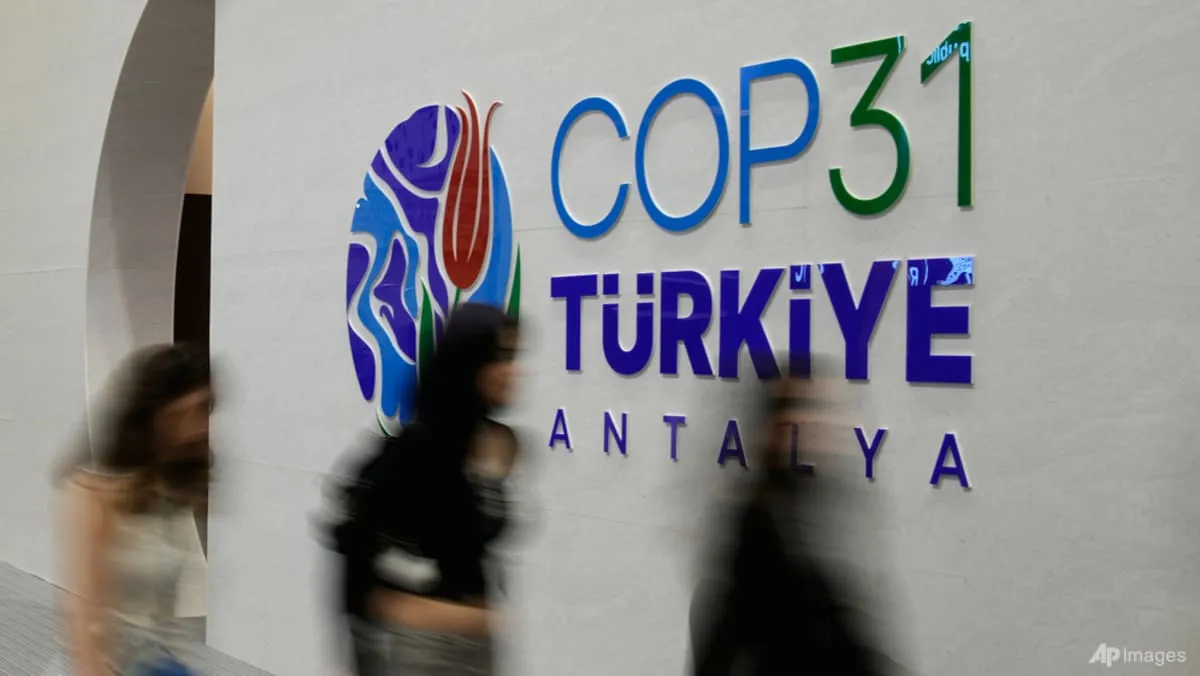
ABU DHABI – The latest draft agreement from the 31st Conference of the Parties (COP31) in 2026 has once again shocked delegates and global environmental observers. This document, expected to be a crucial guide for climate change mitigation, conspicuously omits a firm commitment to phase out fossil fuels, the primary driver of the climate crisis. This decision has sparked serious concerns regarding the ambition and effectiveness of international climate negotiations amidst pressing global threats.
The conference, held in the United Arab Emirates, was meant to be a pivotal forum for accelerating the energy transition. However, the exclusion of the fossil fuel phase-out clause indicates strong competing interests behind the negotiating table. Many parties question the seriousness of nations in achieving the goals of the Paris Agreement.
Climate activists and representatives of small island developing states, most vulnerable to the impacts of climate change, voiced deep disappointment. They repeatedly urged the agreement's text to include clear and ambitious language regarding the phase-out of coal, oil, and gas. Without this concrete commitment, the goal of limiting global temperature rise to 1.5 degrees Celsius will become increasingly challenging to achieve.
Resistance to including fossil fuel phase-out language often comes from countries heavily reliant on these commodity exports or those with large fossil fuel industries. They fear that drastic measures would cripple national economies and cause social unrest. Consequently, discussions about a just and funded energy transition become highly complex.
The history of climate negotiations reveals that fossil fuels have always been a stumbling block. The Effectiveness of Mega Climate Conferences Amidst Global Crisis is frequently questioned due to failures in addressing the root causes of emissions. The COP31 2026 draft seemingly repeats the same pattern, illustrating the difficulty of achieving global consensus.
Although the current draft does not explicitly mention phase-out, some delegates hope the final wording will be stronger. They emphasize that options like phase-down or just transition remain open for further discussion. Negotiation focus has shifted to minimizing the economic impact of moving towards renewable energy.
The G7 group of nations, often a driving force in climate issues, also faces internal pressure. While some members support more ambitious targets, others are still grappling with domestic energy challenges. This position contrasts sharply with the strong demands from developing nations for financial aid to fund their transitions.
Several alternative proposals have been put forward, including increased global renewable energy targets and higher energy efficiency. While important, these initiatives are deemed insufficient to replace a direct commitment to a fossil fuel-free future.
Climate scientists continuously warn that the window of opportunity to prevent the worst impacts of the climate crisis is rapidly closing. Every decision that delays or weakens global climate action has serious long-term consequences for the planet and future generations.
COP31 2026 negotiations are still ongoing. The finalization of the draft agreement will face intense debate until the very last minute. Public pressure and calls from various countries are expected to influence draft revisions, aiming for a more meaningful outcome for the future of global climate.
Editorial Insight: The absence of a fossil fuel phase-out commitment in the initial COP31 2026 draft underscores the complex political and economic realities in confronting the climate crisis. This is not merely about science but also about economic sovereignty, just transition, and political will. Without sustained pressure from civil society and the most affected nations, it is likely that the outcome of this conference will not be as ambitious as needed to address the global climate challenge.