 Stefani Rindus
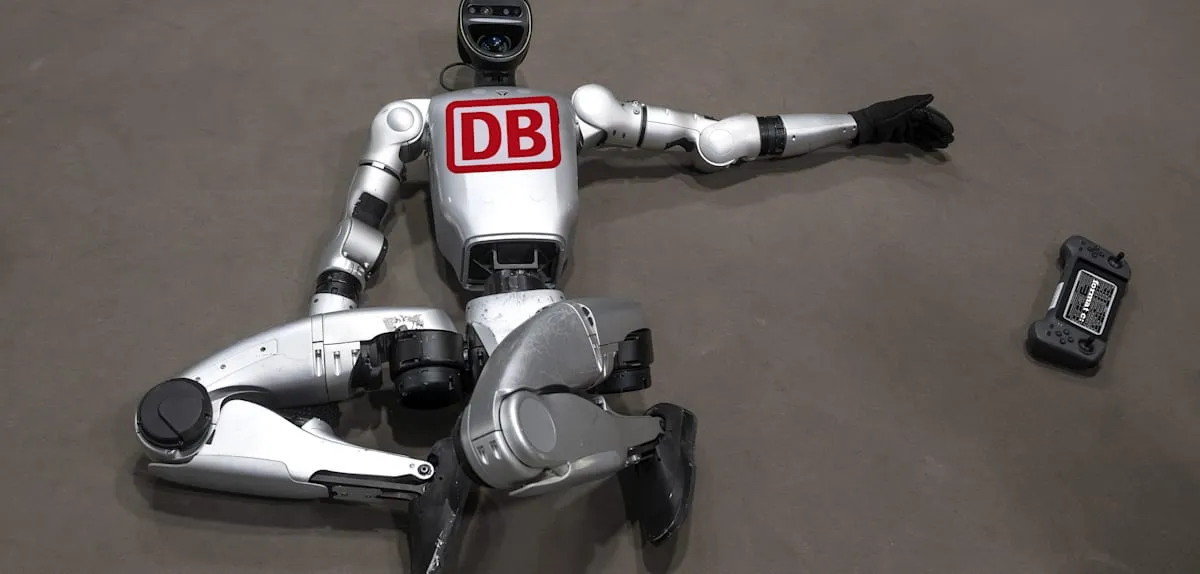
BERLIN — A shocking incident has rocked Germany’s transportation system after Deutsche Bahn’s latest artificial intelligence (AI) chatbot mysteriously ceased operations earlier this week. The event crippled the national railway company’s efforts to inform passengers about delays, track changes, and operational issues, triggering significant chaos at various vital stations.
The AI system, designed to expedite the dissemination of crucial information to millions of rail users daily, abruptly stopped functioning without warning. Internal sources at Deutsche Bahn revealed that the software, launched in early 2026, experienced “unexplained operational disturbances” leading to a complete failure.
Deutsche Bahn spokeswoman, Frau Anja Schmidt, stated in an emergency press conference held at the company’s headquarters, “We deeply regret the inconvenience caused to passengers. Our technical team is working tirelessly to identify the root cause and restore the system as quickly as possible.” Schmidt emphasized that the top priority is ensuring safe and smooth travel, despite currently having to rely on slower manual systems.
As a result of this AI paralysis, thousands of passengers across Germany experienced confusion and severe delays. Digital information boards at major stations such as Berlin Hauptbahnhof, Frankfurt, and Munich displayed outdated or entirely blank information. Long queues were seen at manual information counters, and social media was flooded with complaints and questions from frustrated citizens.
This incident immediately sparked widespread debate regarding public infrastructure’s reliance on rapidly developing artificial intelligence technology. Critics highlighted the inherent risks of integrating AI into critical systems without robust emergency protocols and adequate testing. Professor Dr. Klaus Richter, an AI ethics expert from the Technical University of Munich, commented, “This Deutsche Bahn case is a stark reminder that while AI offers tremendous efficiency, we must not overlook its potential vulnerabilities. Redundancy and human intervention must remain an integral part of any system design.”
This event also contrasts with the optimism surrounding AI adoption in other sectors. For instance, the U.S. government this year continues to endorse advanced AI models like Sol, Terra, and Luna developed by OpenAI, marking a new era of artificial intelligence more integrated into various aspects of life. Publications such as the article “U.S. Government Approves OpenAI AI Models: Sol, Terra, Luna, A New Era of Artificial Intelligence” have discussed this transformative potential, but the incident in Germany shows the other side of the coin.
Many parties began questioning how an AI system could suddenly “shut itself down” without clear indications. Speculation ranges from fatal programming errors, cyberattacks, to potential anomalies within the AI’s self-learning algorithms. A thorough investigation involving technology experts from outside Deutsche Bahn is expected to uncover the true cause.
This situation adds complexity to the global discussion about the future of work in the AI era. The article “Controversy Over Human-Like AI Text: Is the Future of Work Threatened?” previously addressed this dilemma. However, the Deutsche Bahn case highlights that AI failures not only threaten jobs but can also disrupt essential services and even trigger social chaos.
German federal transportation authorities have called for a comprehensive review of all AI systems used in the nation’s vital infrastructure. They have pledged to formulate new, stricter guidelines for implementing advanced technology to prevent similar incidents from recurring in the future.
The Deutsche Bahn incident serves as a bitter reminder that the journey towards a future fully integrated with AI is still long and fraught with challenges. While the potential benefits of AI are undeniable, every step forward must be balanced with caution, rigorous oversight, and readiness for unexpected worst-case scenarios.