 Demian Sahputra
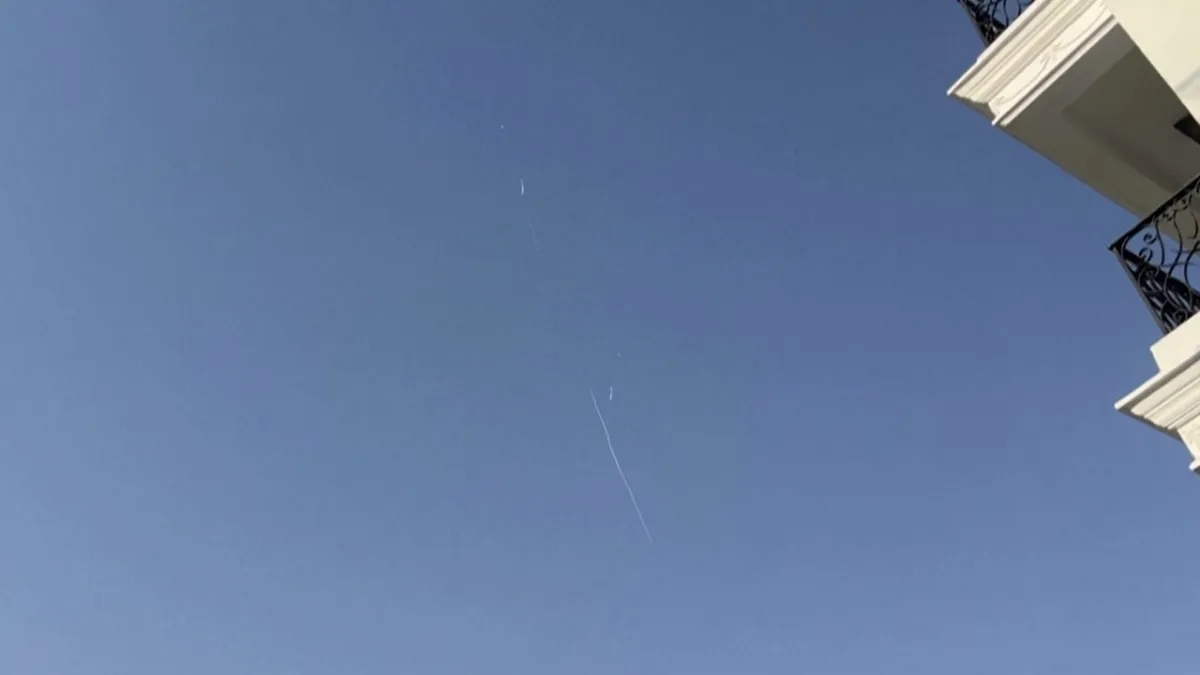
DOHA — Qatar's capital, Doha, was shrouded in thick smoke and illuminated by flashes of explosions in the early hours of 2026, following a series of missile and drone attacks launched by Iran. This incident coincided with Tehran's announcement of the permanent closure of the Strait of Hormuz, a vital global oil shipping lane, immediately sparking global fears of escalating conflict in the Middle East region.
This dramatic escalation caught the world by surprise, as Doha residents woke up to rumbling sounds and the sight of unidentified flying objects traversing the sky. Regional security sources confirmed that several projectiles were intercepted, but traces of destruction and panic remained in some suburban areas.
Through its Ministry of Foreign Affairs, the Qatari government promptly issued a strong statement, condemning the acts of aggression as an intolerable violation of sovereignty. They called on the international community to immediately intervene to pressure Iran to cease military provocations threatening regional stability and global security.
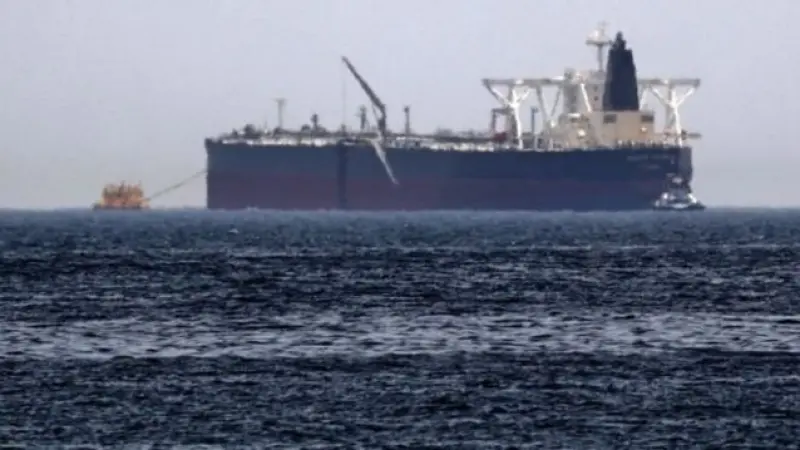
The closure of the Strait of Hormuz by the Iranian Navy became a crucial point exacerbating the situation. This strait serves as a major artery for approximately one-fifth of the world's oil supply, making its closure potentially paralyzing for the global economy and triggering an unprecedented energy crisis.
This crisis reminds the world of the simmering tensions in the Gulf region, where Iran and several Arab nations, along with their ally, the United States, are frequently embroiled in diplomatic and military disputes. Geopolitical analysts warn that the current situation has reached a highly dangerous boiling point, potentially drawing more actors into open conflict.
\"This is no longer mere rhetoric or a show of force. These are concrete actions with global consequences,\" stated Dr. Aisha Rahman, a Middle East security expert from Qatar National University, in an exclusive interview. \"The world must act swiftly and decisively to prevent greater devastation.\"
Global oil markets reacted instantly with a significant price surge. Brent crude prices jumped over 10% within hours after news of the Strait of Hormuz closure broke, signaling investor concerns over prolonged supply disruptions.
The United States, through its White House Spokesperson, indicated that it would take responsive measures. \"We are monitoring the situation very closely and are prepared to protect the interests of our allies and freedom of navigation in international waters,\" the Spokesperson affirmed, without specifying the form of military response that might be taken.
The missile and drone attacks targeting Doha and other Gulf states such as the UAE and Bahrain indicate an expansion of Iran's attack targets. Previously, Tehran often targeted military installations or merchant ships, but now civilian capitals are being targeted, causing casualties and infrastructure damage.
Diplomatic efforts by the UN and the European Union have begun, with calls for all parties to exercise restraint. However, the situation on the ground suggests that tensions are too high to be easily diffused. Various countries have begun evacuating their citizens from the Gulf region, adding to the sense of emergency that envelops the area.
This conflict also highlights the complexity of alliances and enmities in the Middle East. Gulf states, mostly US allies, now face direct threats from Iran, while the US itself must balance diplomacy with demonstrating credible military strength. This situation could trigger an uncontrolled domino effect across the entire region.
The Middle East region seems to be boiling once more, as reflected in previous analyses of escalation in this area. You can read more about the tensions in the article Middle East in Turmoil: Iranian Missiles Target UAE, Bahrain, Qatar; US Launches Counterattacks.
Civil aviation experts have issued strong warnings regarding air traffic over the Persian Gulf and around Qatar. Many international airlines have chosen to reroute or cancel flights for the safety of passengers and crew, exacerbating regional isolation.
Global energy security is at stake. If the Strait of Hormuz remains closed, the economic impact will not only be felt in oil-importing countries but also on global supply chains and international financial stability. This is a serious test of global diplomacy and conflict prevention capacity.
The Qatari government has activated all its air defense systems and placed its forces on high alert. Citizens are urged to remain calm but vigilant, and to follow directives from local authorities. The future of the Gulf region and its impact on world peace now hangs in the balance, with 2026 bearing witness to this unexpected escalation.