 Robert Andrison
BRUSSELS — The demographic crisis afflicting Europe reached a critical point in 2026, as various cities across the continent grapple with extreme depopulation dynamics due to continuously declining birth rates. This phenomenon not only threatens socio-economic sustainability but also forces communities to face difficult choices: struggling to maintain existence or losing their fundamental identity.
Recent reports from European demographic institutions highlight that no effective approach has yet been found anywhere in Europe to address this declining birth rate trend. This situation creates a landscape where some cities are desperately fighting to avoid vanishing from the map, while others, in an attempt to defy the trend, risk losing their cultural characteristics.
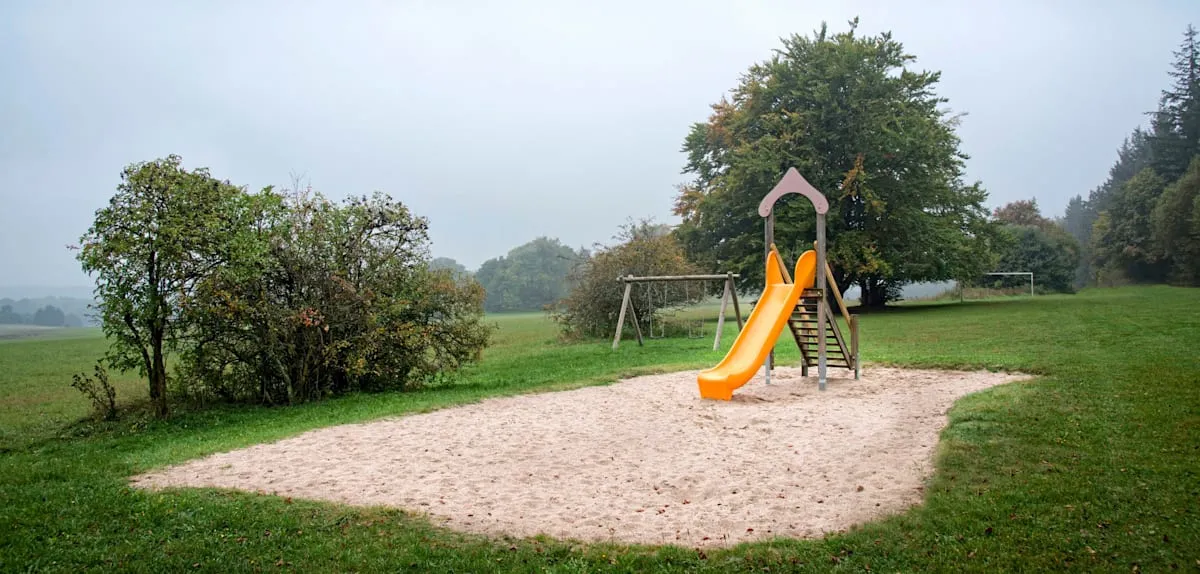
For instance, a once vibrant city in southern Italy now faces a grim reality. Its streets are deserted, schools are closing due to a lack of students, and public services are slowly ceasing operations. The younger generation opts to leave the city for better opportunities, leaving an increasingly aging population with no successors.
Sociologists warn that without immediate and comprehensive intervention, many small and medium-sized cities in Southern Europe risk becoming ghost towns within a few decades. This demographic void carries serious implications for local economies, cultural heritage, and social structures.
Conversely, another city in Northern Europe demonstrates resistance to this trend, but at a significant cost. Through aggressive immigration policies and substantial birth incentives, this city has managed to maintain or even increase its population.
While this population increase indeed saves the city from depopulation, adapting to the massive influx of new residents presents significant integration challenges and cultural shifts. These policies, though demographically effective, are often criticized for eroding centuries-old historical identities and local wisdom.
“This is a complex dilemma,” stated Dr. Elara Vance, a prominent demographer from Heidelberg University, at a conference in early 2026. “We must choose between preserving a city as a soulless museum, or transforming it into something entirely different from its origin.”
The European Union government, through the European Commission, has repeatedly called for urgency in addressing this crisis. However, coordination among member states remains a major obstacle in formulating effective joint strategies.
This issue also raises discussions about the balance between work and family. Many European countries, as highlighted in the article ‘Dilema Orang Tua Pekerja 2026’ (Parents’ Dilemma 2026), still struggle to provide adequate support for young families, making the decision to have children increasingly difficult for productive couples.
Furthermore, the challenges of the elderly care system discussed in ‘Jerman Guncang: Reformasi Perawatan Lansia 2026’ (Germany Shaken: Elderly Care Reform 2026) exacerbate the situation. With a rapidly aging population and a lack of younger generations to support social security systems, fiscal pressure becomes increasingly unavoidable.
Some countries are beginning to consider more radical pro-natalist policies, including significant financial incentives and extended parental leave. However, their implementation still faces budgetary challenges and political resistance.
This birth rate crisis is not merely a statistic; it is a reflection of fundamental changes in social values, economics, and the aspirations of the younger generation. The future of Europe, with its cities fighting for their soul, will heavily depend on the ability of its leaders to adapt and innovate.
Without comprehensive solutions, Europe’s demographic landscape by the mid-21st century is predicted to be vastly different, with profound implications for global civilization. Europe stands at a crossroads, and the choices made now will determine its fate in the years to come.