 Dorry Archiles
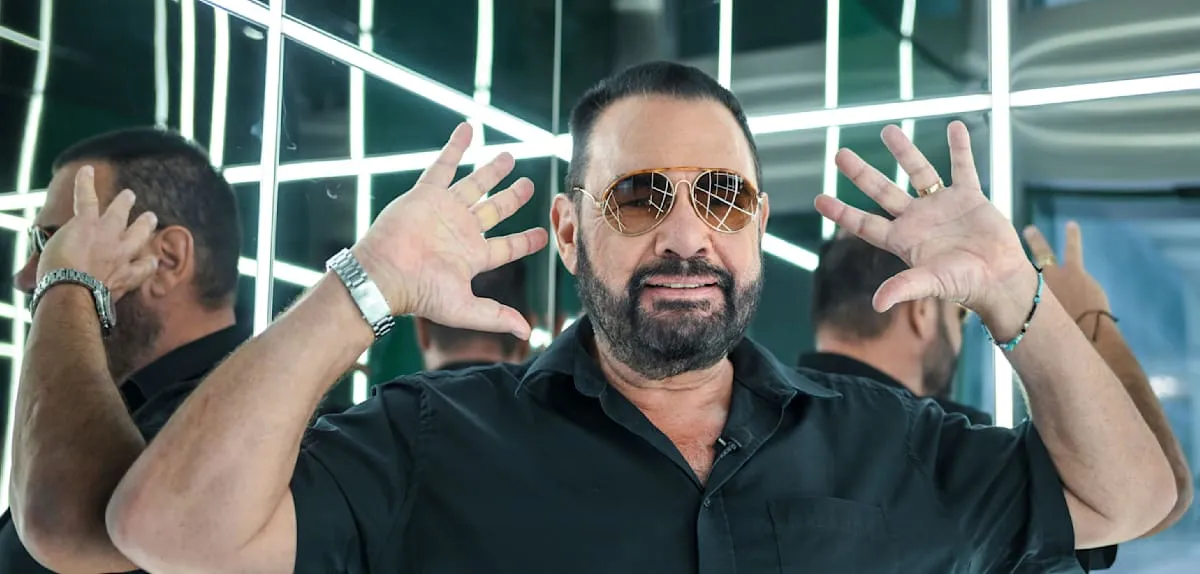
GERMANY – The iconic 80s music group, Alphaville, is embroiled in a fierce controversy following the cancellation of their invitation to perform at the Glucksgefuhle Festival, an event that sparked sharp attention in the European music scene in 2026. This conflict peaked after the lead singer spoke out, expressing his feeling of being 'silenced' in an interview, while several other artists also showed their solidarity directly on the festival stage.
The incident originated from the Glucksgefuhle Festival organizers' sudden decision to cancel Alphaville's performance. The news immediately caused an uproar among fans and music observers, considering Alphaville's reputation as a global synth-pop pillar with timeless songs like Big in Japan and Forever Young.
In an exclusive interview, Alphaville's vocalist firmly expressed his disappointment. He described the situation as a form of 'Beschneidung'—a German term meaning pruning or restriction, but in this context, it refers more to silencing or censorship of artistic expression.
We came to share music and energy with our fans. However, when an invitation is unilaterally withdrawn without clear reasons, it feels as if our voice is being extinguished, said the vocalist with a concerned tone. His statement immediately resonated on social media and became a hot topic of debate.
Solidarity came from various quarters. Several artists who still performed at the Glucksgefuhle Festival 2026 reportedly took implicit and explicit stances. Some dedicated songs, while others conveyed brief messages of support from the stage, highlighting the importance of artistic freedom without intervention.
This event sparked a broader debate about artist independence and organizer intervention in the music festival industry. Does a festival have full rights to determine who can and cannot perform, or are there ethical boundaries that must be upheld to maintain artistic integrity?
Alphaville, having built a career spanning decades, has always been known for its profound lyrics and innovative musicality. Their contribution to the electronic music genre is undeniable, making this incident feel like a blow to their legacy.
To date, the Glucksgefuhle Festival organizers have not provided a comprehensive official statement regarding the reasons behind Alphaville's cancellation. This lack of transparency only exacerbates the situation and fuels wild public speculation.
Similar incidents are not new in the music world. Various festivals in the past have also faced controversies related to artist selection or sudden cancellations, such as when the Oasis Reunion rocked Venice which was also colored by backstage intrigues, highlighting artists' vulnerability to corporate decisions.
The impact of this scandal is projected to affect the Glucksgefuhle Festival's reputation in the future. Industry observers fear that the festival's image as an inclusive and supportive platform for all music genres could be tarnished by the incident.
On social media platforms, support for Alphaville continues to pour in, along with demands for festival organizers to provide adequate clarification. Hashtags promoting freedom of expression trended, indicating that this issue has transcended beyond just a music performance cancellation.
This conflict highlights the need for a more open dialogue between artists and festival organizers to build an ecosystem that is mutually respectful, transparent, and supportive of authentic artistic expression.
Editorial Insight:
The incident involving Alphaville at the Glucksgefuhle Festival 2026 is more than just a contract cancellation. It reflects the eternal tension between artistic vision and commercial or political decisions behind an event. The vocalist's reaction and the solidarity from other artists demonstrate that the issue of freedom of expression in art remains relevant and sensitive. Festival organizers must learn from this case to be more transparent and communicative, avoiding negative precedents that could harm the overall music ecosystem and their credibility in the eyes of the public and artists.