 Gabriella
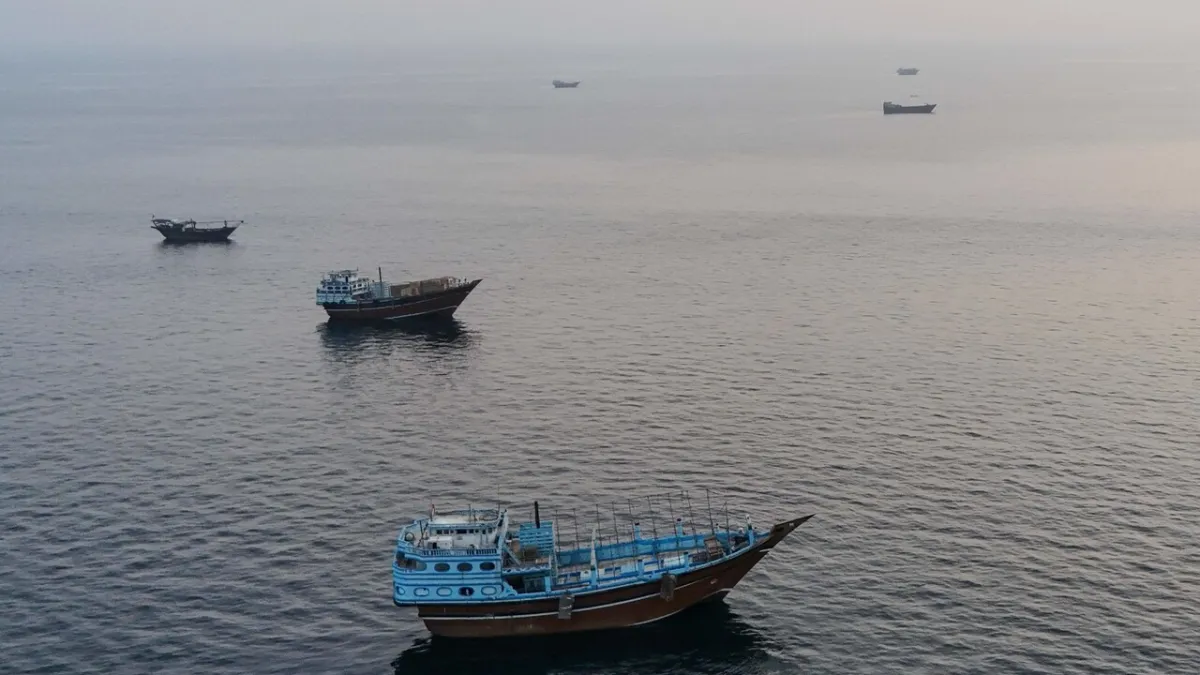
TEHRAN — The United States launched a series of powerful military strikes against targets in Iran in early 2026, provoking a sharp response from Tehran which immediately threatened retaliation. Washington claimed this operation was a response to Tehran's actions deemed to threaten the stability and security of commercial vessels in the Strait of Hormuz, a vital global shipping lane.
The Pentagon, through its official statement, affirmed that these precision strikes targeted Iranian military infrastructure linked to destabilizing maritime activities. These attacks mark a significant escalation in bilateral tensions that have been mounting for some time in the Gulf region.
WASHINGTON — A spokesperson for the US Department of Defense stated that the decision to launch the strikes was made after a series of warnings and unproductive diplomatic efforts. "We will not tolerate threats to freedom of navigation and global trade in international waters. Our actions are purely defensive, aimed at restoring deterrence," he said during a press conference broadcast from Washington.
Responding to the military action, the Iranian Ministry of Foreign Affairs, in a press release from Tehran, strongly condemned the United States' actions as a blatant violation of sovereignty. "This brutal aggression will not go unanswered. Iran has the right to defend itself and we will respond to this act of state terrorism decisively and proportionally," the official statement read.
Senior officials in Tehran have also convened to discuss retaliation options, indicating that Iran's response could come in various forms, ranging from increased maritime activity to further support for regional groups opposed to US interests.
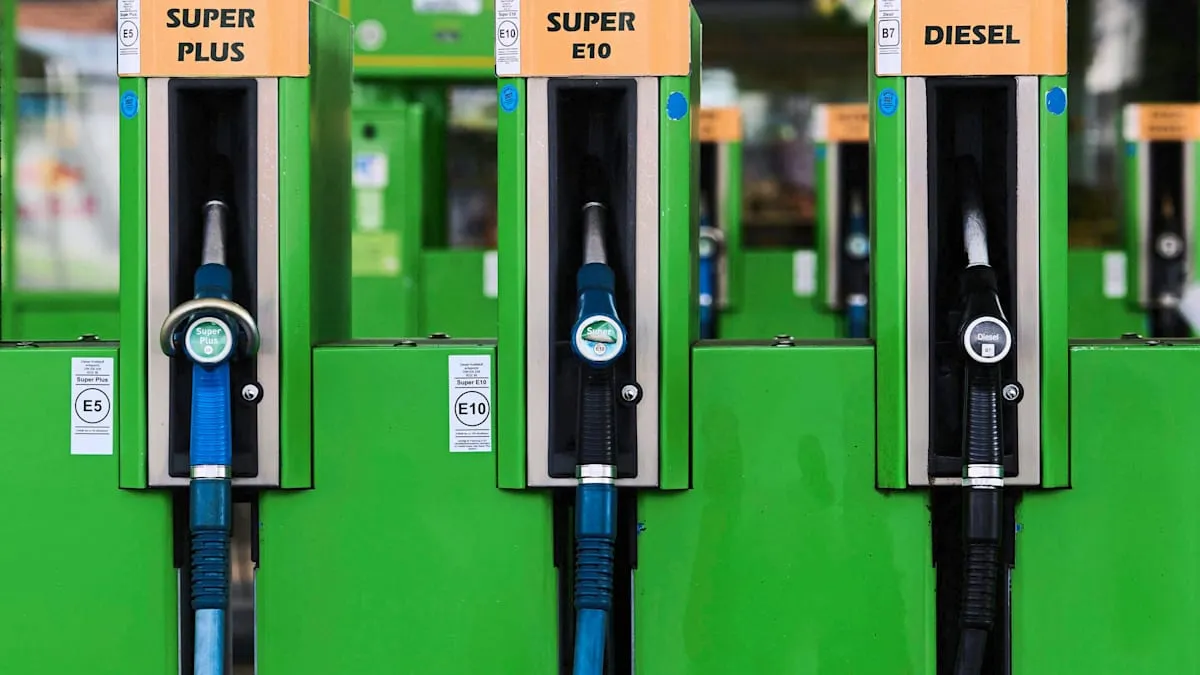
Tensions in the Strait of Hormuz, which facilitates approximately one-third of all seaborne oil trade globally, have sparked serious concerns in international energy markets. Crude oil prices surged sharply after news of the strikes broke, given the threat to this vital supply route. Global gas prices choked by Strait of Hormuz attacks 2026 is an early indication of this destabilization's impact.
The international community urged both sides to exercise restraint and avoid further escalation that could drag the region into a broader conflict. Many major nations, including members of the UN Security Council, issued statements calling for dialogue and de-escalation.
US-Iran relations have long been overshadowed by tension, particularly since the US withdrawal from the Iran nuclear deal and the re-imposition of economic sanctions. Incidents in the Gulf, including tanker seizures and attacks on oil facilities, have often occurred in response to economic and political pressure.
This latest escalation adds to a long list of incidents in these strategic waters, fueling fears that the boiling point of open conflict is drawing nearer. International political analysts predict that Tehran's response will be key in determining the direction of this conflict.
The United States administration reiterated it is not seeking direct conflict with Iran but will not hesitate to protect its interests and allies in the region. Meanwhile, Tehran vowed to defend its sovereignty against what it calls "foreign intervention."
This highly volatile situation demands careful foreign policy from all global actors. The world watches with bated breath, monitoring the next steps to be taken by Washington and Tehran, with the hope that wisdom will overcome provocation.
Middle East observers state that regional stability is now on the brink, with the risk of a domino effect that could impact global security.