 Gabriella

MILAN – European stock markets moved into deep red territory today, in 2026, reflecting mounting economic turmoil. The Milan Stock Exchange, a key barometer of the Italian economy, suffered a significant decline of up to 2%, leading a negative trend across the continent. Investor sentiment was severely hit by a combination of surging crude oil prices and increasing tension in the government bond market.
This sharp decline follows reports of soaring West Texas Intermediate (WTI) crude oil prices, now nearing the crucial 100 US dollar per barrel mark. Rising energy prices always pose a serious threat to economic growth, especially in Europe, which is highly dependent on energy imports. The resulting inflation has the potential to burden households and industries, triggering recession fears.
Economic analysts note that tensions in the government bond market further exacerbated the situation. Investors are beginning to show caution towards sovereign debt, particularly amidst global monetary and fiscal policy uncertainties. This creates significant selling pressure, worsening the vulnerability of financial markets.
The current situation highlights the fundamental fragility of the European economy, stated a senior economist from a leading financial institution who requested anonymity. Oil surges and bond uncertainty are a perfect recipe for prolonged volatility. This view aligns with discussions that often arise about investment risks, such as those explored in the article Finfluencer: Shortcut to Wealth or Labyrinth of Financial Risk?, highlighting the importance of caution amid uncertainty.
Other major European exchanges, such as Frankfurt, Paris, and London, also suffered negative impacts, albeit with varying degrees of decline. Benchmark indices across the entire European Union bloc showed a consensus of pessimism regarding short-term economic prospects.
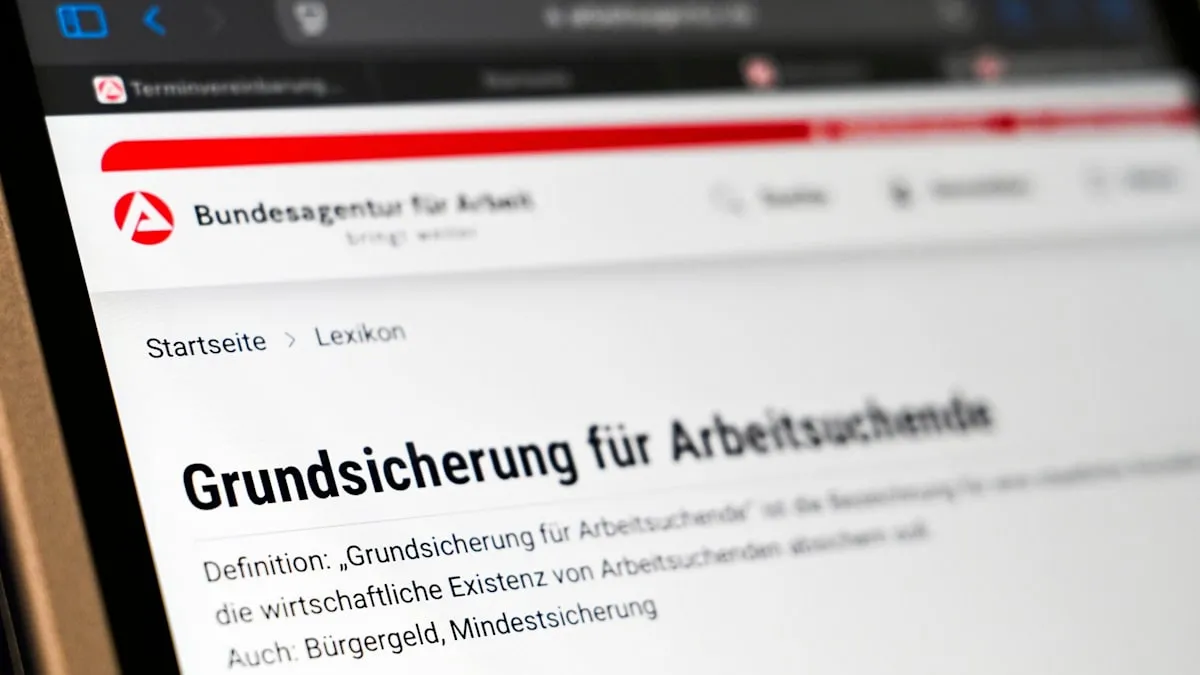
This condition adds to the long list of challenges facing the European Union in 2026. From budget issues to geopolitical upheavals, the region continues to have its resilience tested. Some European countries are even still grappling with domestic reform issues that led to failures in budget efficiency, as highlighted in the report on Germany's Failed Buergergeld Reform to Save Budget.
The rise in WTI oil prices to the 100 US dollar threshold is not only triggered by pure supply-demand dynamics but also by unstable geopolitical factors. Regional conflicts and uncertainties in energy policies from major producing countries impose a significant risk premium on this vital commodity.
Uncertainty in the government bond market, on the other hand, indicates investor concerns about governments' ability to manage debt and stabilize their economies. Rising bond yields suggest that investors are demanding higher compensation for the risks they are taking, which in turn can increase borrowing costs for nations.
An anticipated global economic slowdown in 2026 further darkens the outlook. The International Monetary Fund (IMF) recently revised its global growth projections downwards, citing persistent inflation and supply chain tensions as key factors.
Corporations are also feeling the pinch. Companies reliant on imported raw materials or with significant exposure to energy markets face substantial pressure. Their profit margins are threatened by ballooning operational costs.
The European Central Bank will likely come under pressure to review its monetary policy. While inflation remains a primary concern, the rapid pace of economic downturn could limit their room for aggressive interest rate hikes.
This situation is a stark contrast to the optimism seen at the beginning of the year. Now, Europe's economic outlook appears bleaker, with the threat of stagflation—a combination of economic stagnation and high inflation—looming. Investors and policymakers must prepare for a prolonged period of uncertainty.
Editorial Insight: Today's turmoil in European stock markets is a harsh warning signal for policymakers. The combination of soaring oil prices and government bond tensions creates a vortex of risks that could drag the global economy deeper into crisis. Coordinated responses and prudent fiscal policies will be crucial to prevent escalation, yet coordination among countries amidst Europe's political fragmentation consistently proves a serious challenge. Indonesia, too, needs to monitor the spillover effects of this global market volatility on domestic economic stability. Investment caution and risk management will be key in this challenging year.