 Angela Stefani
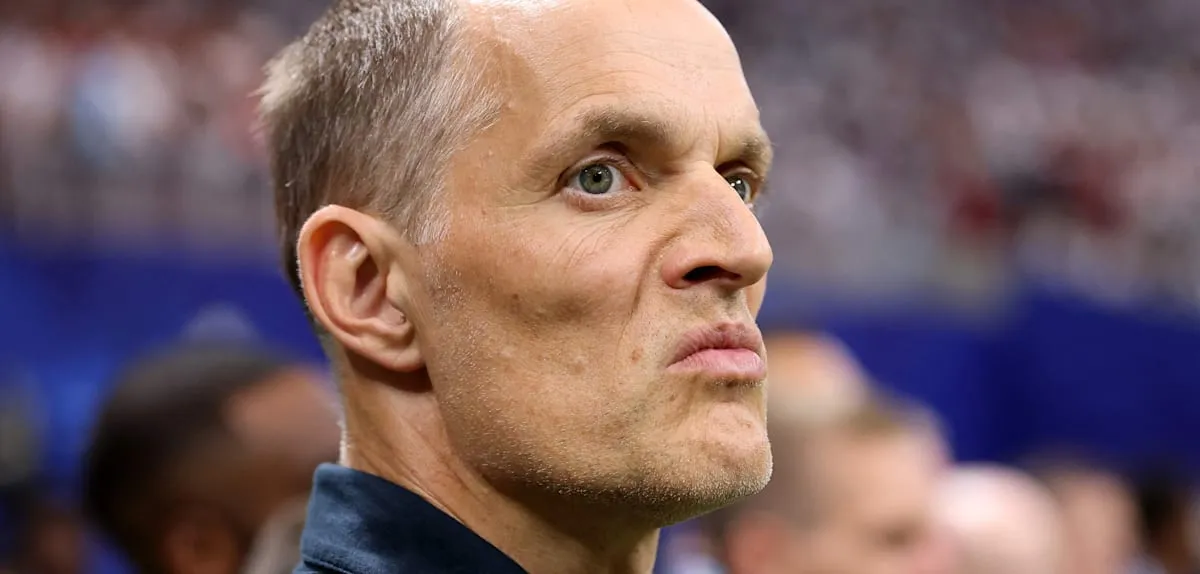
DOHA — England National Team coach, Thomas Tuchel, recently voiced deep skepticism regarding the essence of the 2026 World Cup third-place play-off match, following his team's tragic defeat in the semi-finals. Tuchel emphatically stated, “None of us or the French team wants to play this match,” highlighting the moral and physical dilemma faced by players after their dreams of winning the championship were dashed. Although many view the match as a formality, it carries significant financial implications for both football federations involved, making it more than just an ordinary “consolation game.”
Tuchel's sentiment is not surprising. For most teams reaching the semi-final stage of a prestigious tournament like the World Cup, the primary goal is the championship trophy. Failing in the semi-finals often leaves a profound sense of disappointment, making the subsequent match for third place feel hollow and lacking intrinsic motivation for the players.
England's defeat in the 2026 World Cup semi-finals, which was thoroughly discussed in the article “Tragic! Statistics Reveal England's Collapse in 2026 World Cup Semi-Final”, strengthens Tuchel's argument. The team's mental and physical breakdown after the loss became a highlight, making preparation for the consolation match a daunting task.
From the perspective of FIFA and national football federations, the third-place play-off indeed holds value. Significant prize money is allocated for third and fourth positions, which can amount to tens of millions of dollars. This amount is clearly crucial for football development in the respective participating countries, regardless of the players' frustration.
History shows that third-place matches often result in open, high-scoring games, as the pressure to win the championship has dissipated. However, for football purists, the true competitive spirit often feels absent, replaced by more relaxed, sometimes even less disciplined performances.
Players who have just faced a bitter defeat in the semi-finals tend to feel exhausted, both physically and emotionally. The motivation to play all out in a match that does not offer the highest trophy becomes a significant challenge. They might focus more on the desire to return to their clubs quickly or start their holidays.
On the other hand, there is an argument that this match is still important as a last opportunity for substitute players to showcase their skills or for legends to bid farewell to the international stage. A World Cup bronze medal, though not gold, is still a commendable achievement in an athlete's career.
Thomas Tuchel also likely highlights the risk of injury. After an exhausting tournament, forcing players to compete in a match deemed “unnecessary” could increase the risk of serious injuries, which would certainly harm their clubs and future careers. This is an important consideration amid an increasingly congested football schedule.
Debates surrounding the relevance of the third-place match are not new. Various other sports tournaments have different approaches; some maintain consolation games, while others choose not to, citing reasons to conserve athlete energy and focus solely on the final match.
Nevertheless, as long as financial value and tradition remain key considerations, the third-place play-off will most likely remain an integral part of the World Cup calendar. Tuchel's statement, though skeptical, reignites a crucial discussion about the balance between commercialism and pure sporting spirit in the world's biggest football event.
Tuchel's perspective also illustrates the pressure faced by coaches and players at the highest level. High public expectations for winning titles, combined with commercial demands, often place them in a dilemma between ideal performance and the pragmatic realities of the tournament. This is a reminder that even on the global stage, the human aspect of competition remains dominant.
Ultimately, the third-place match between England and France at the 2026 World Cup will still be played, delivering a spectacle that perhaps neither coach desires, but still offering drama and a final chance to conclude the tournament with a victory, and of course, to secure substantial financial rewards.