 Debby Wijaya
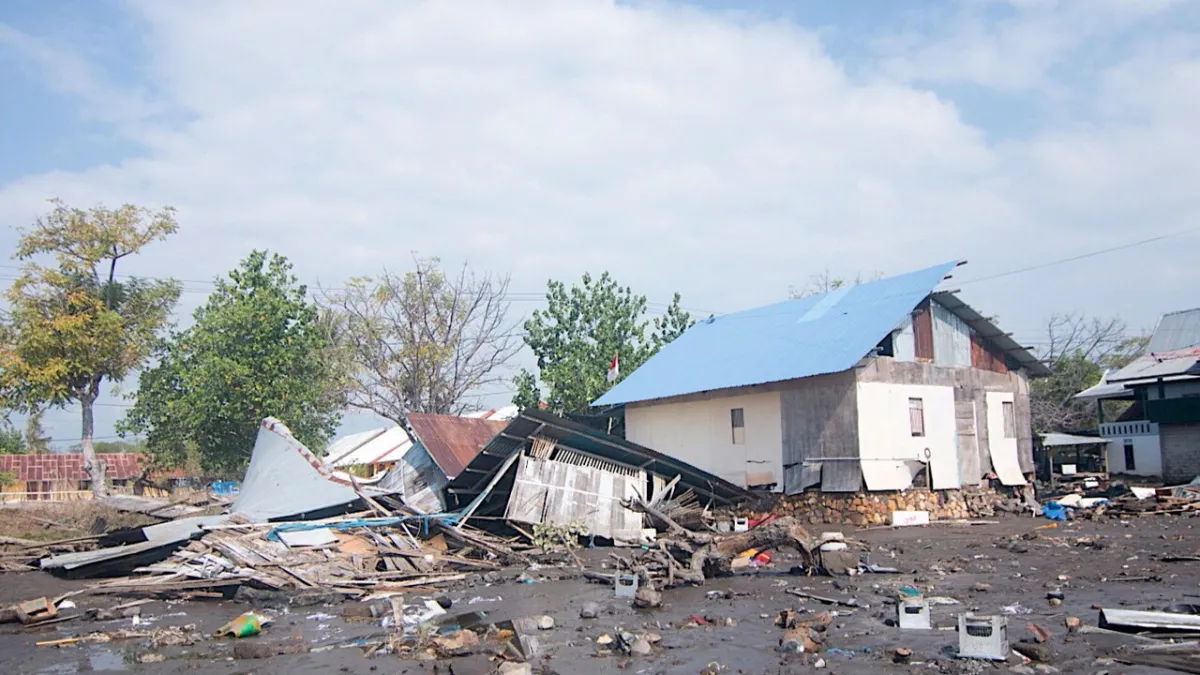
Flores – Two powerful earthquakes struck Flores Island, Indonesia, on [date, month] 2026, claiming at least 47 lives and causing significant infrastructure damage in several regions. This tragedy has sparked deep concerns about potential aftershocks. The Indonesian government has confirmed that approximately 500 Italian nationals on the island were reported safe from the devastating incident, with no casualties among them.
The Agency for Meteorology, Climatology, and Geophysics (BMKG) reported that both quakes registered magnitudes of [e.g., 6.8 SR and 7.1 SR] with relatively shallow epicenters, contributing to the extremely strong tremors felt. Intense shaking was experienced across several neighboring islands, exacerbating panic among residents.
Dozens of buildings, including homes and public facilities, reportedly collapsed or suffered severe damage. Joint rescue teams from the National Disaster Management Agency (BNPB), TNI, and Polri were immediately deployed to conduct evacuations and search for victims in the rubble. Access roads to several remote areas were also cut off due to landslides triggered by the quakes.
The Italian Ministry of Foreign Affairs, through its embassy in Jakarta, confirmed no reports of fatalities or serious injuries among approximately 500 Italian citizens vacationing or working on Flores Island. They have coordinated with local authorities to ensure the safety and further handling of these tourists.
President Prabowo Subianto extended his deepest condolences to the victims and their bereaved families. In his statement, President Prabowo instructed all government agencies to accelerate the distribution of emergency aid, including logistics, medical personnel, and psychosocial support to affected communities. 'The primary priority is the safety of citizens and post-disaster handling,' he affirmed.
Search and rescue operations continue tirelessly. Emergency medical teams established health posts to treat the injured, many of whom suffered fractures and injuries from falling debris. The distribution of food, clean water, and temporary shelters is also a key focus, as thousands of residents are now displaced.
Psychological trauma is a serious concern, especially for children and the elderly. Several volunteer psychologists and social workers have arrived at the disaster site to provide counseling and moral support, helping residents through this difficult time. The apprehension of potential aftershocks still looms over the community.
Indonesia, situated on the Pacific Ring of Fire, is highly vulnerable to seismic activity. The frequency of earthquakes in this region demands high preparedness from the government and public in facing disasters. Similar incidents have previously shaken various areas in Indonesia, causing casualties and significant losses.
Several friendly nations and international humanitarian organizations have expressed their readiness to provide assistance. The United Nations (UN) is also closely monitoring the situation, coordinating global relief efforts if necessary, given the significant scale of the disaster.
The post-disaster recovery phase will present immense challenges. Rebuilding infrastructure, revitalizing local economies, and long-term disaster mitigation programs must be immediately designed and implemented to reduce future risks. The 7.7 SR quake that once hit Indonesia also serves as a reminder of the importance of thorough mitigation planning.
Editorial Insight: This earthquake tragedy in Flores once again highlights the urgency of strengthening early warning systems and earthquake-resistant infrastructure across Indonesia. While geographical vulnerability is unavoidable, enhanced preparedness and rapid response from the government and community are vital keys to minimizing casualties and losses. The role of international coordination is also essential during the emergency and recovery phases, given the potential scale of damage caused by such natural disasters.