 Dorry Archiles
ROME – Three Italian mountain gems, Cortina d'Ampezzo, Madonna di Campiglio, and Courmayeur, have officially asserted their dominance as Europe's leading mountain tourism destinations in 2026. Recent data from the Joint Forecast Committee (JFC) indicates these three locations reign supreme among mountain resorts, with the Trentino region leading regionally, closely followed by Alto Adige and Veneto.
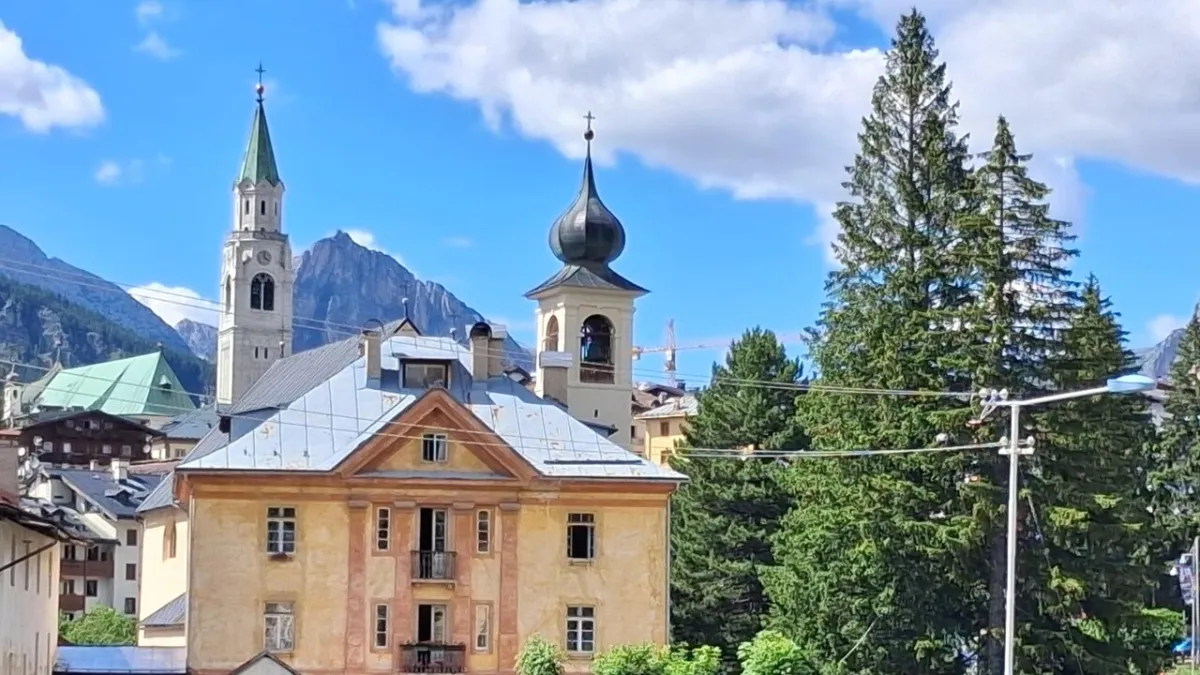
This recognition is well-deserved. Cortina d'Ampezzo, poised to host the 2026 Winter Olympics, continues to captivate with its stunning Dolomite landscapes and world-class ski facilities. Its elegant traditional architecture and luxury boutiques further enhance its appeal to tourists from around the globe.
Meanwhile, Madonna di Campiglio in the Trentino region offers a perfect blend of thrilling ski adventures and pristine natural beauty. The majestic views of the Brenta Dolomites and clear glacial lakes make it a magnet for both winter sports enthusiasts and mountain hikers.
Courmayeur, situated at the foot of Mont Blanc in the Aosta Valley, is known as a haven for professional skiers and heli-skiing enthusiasts. This destination exudes understated luxury, providing an authentic experience of a rich mountain culture.
The JFC report specifically highlights the outstanding performance of the Trentino region, which has successfully topped the list of most sought-after regional destinations. This success is underpinned by sustained investment in tourism infrastructure, aggressive promotion, and a strong commitment to environmental sustainability.
Following Trentino, the autonomous province of Alto Adige or South Tyrol shines brightly. With a blend of Italian and German cultures, Alto Adige offers a unique experience through well-maintained hiking trails, lush vineyards, and innovative wellness resorts.
The Veneto region, which encompasses a significant portion of the Dolomites and historic cities, completes the top trio in the regional ranking. Veneto's allure stems from its diverse landscapes, ranging from soaring mountain peaks to captivating lakes like Lake Garda.
The superior performance of these three destinations and regions signals the resilience of Italy's mountain tourism sector. Despite facing global post-pandemic challenges and climate change, their natural charm and service innovation have proven capable of attracting millions of visitors once again.
The increase in tourist numbers to these areas directly impacts the local economy. Hotels, restaurants, sports equipment shops, and various small businesses experience a surge in revenue, creating jobs, and encouraging further investment in the service sector and infrastructure.
Regional governments, together with tourism associations, continuously strive to strengthen Italy's image as a premium mountain tourism destination. Sustainable tourism development programs, improved transportation quality, and diversification of activities are targeted to maintain this positive momentum.
Analysts from the JFC state that the key to success lies in adaptability and innovation. "These destinations do not merely rely on natural beauty but actively invest in the visitor experience, from local cuisine to international cultural events," a JFC representative remarked.
The success of Cortina, Madonna di Campiglio, and Courmayeur reflects Italy's commitment to preserving its natural heritage while developing it into a valuable economic asset. It also serves as an inspiration for other mountain destinations to innovate and adapt to the dynamics of the tourism market.