 Robert Andrison
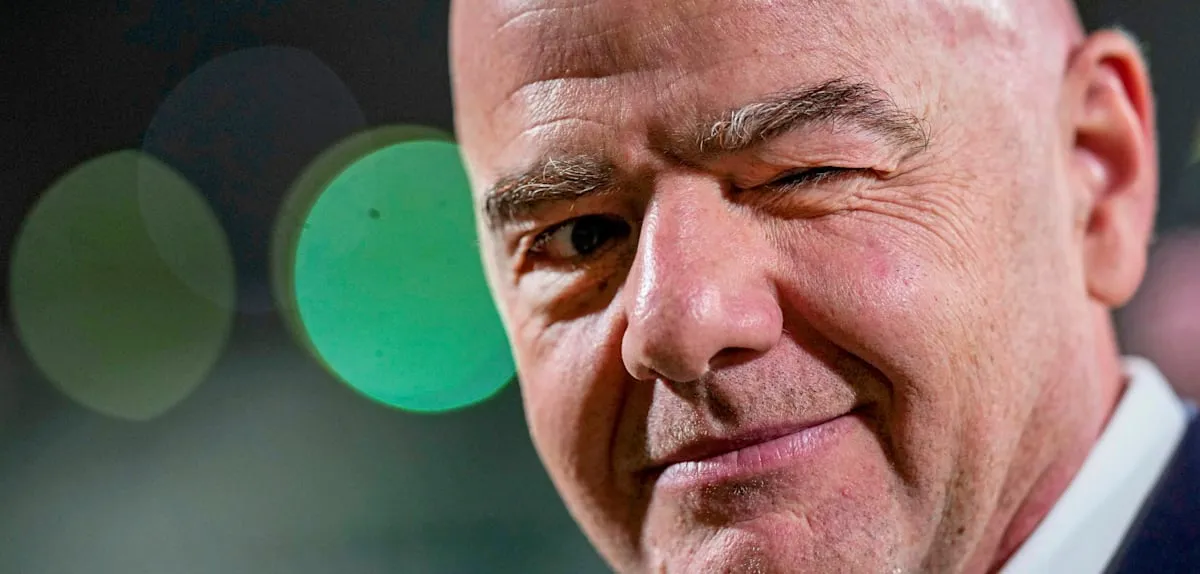
ZURICH — The International Federation of Association Football (FIFA) surprisingly announced the withdrawal of its global investment plans in early 2026, following a wave of protests and sharp criticism from various federations and international media worldwide. FIFA President, Gianni Infantino, who was the primary initiator of this ambitious program, now faces a crushing and demoralizing blow to his leadership after global public pressure.
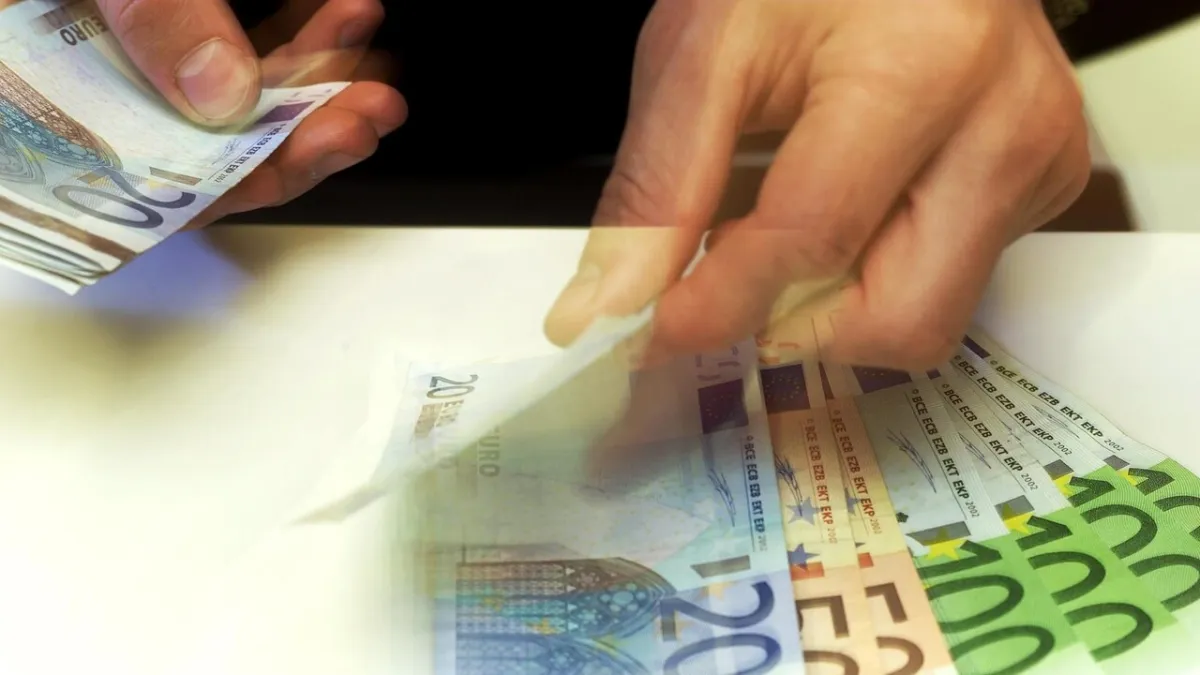
The controversial plans involved a large-scale investment project estimated to be worth billions of dollars, aiming to commercialize several new tournaments and modernize football infrastructure in developing countries. However, the substance of this proposal raised serious concerns about the potential erosion of sports values and the centralization of power in the hands of a few investors.
The uproar of rejection emerged from various continents, particularly from the Union of European Football Associations (UEFA) and the South American Football Confederation (CONMEBOL). They voiced concerns over the loss of autonomy for national federations and the long-term impact on the integrity of competitions. Many accused FIFA of focusing too much on commercial aspects rather than fundamental football development.
Prior to this withdrawal, Gianni Infantino vigorously defended the plans, claiming that this investment was crucial for the future of football. He argued that fresh funds from private investors would open new opportunities for sports development, especially in financially disadvantaged regions.
However, public pressure continued to mount. Leading global media outlets consistently highlighted the transparency and ethics behind these plans. International publications described the event as a “global setback and humiliating defeat” for the frequently scrutinized official.
Facing unstoppable pressure, Infantino ultimately decided to withdraw the investment proposal. This retreat was announced in a brief statement, indicating that FIFA would conduct a comprehensive re-evaluation of its financial strategy.
This cancellation is considered a severe blow to Infantino’s credibility and authority as FIFA leader. He had previously been repeatedly criticized for his leadership style, which was perceived as authoritarian and lacking transparency. This event potentially weakens his position in the eyes of member federations ahead of a possible re-election.
The withdrawal of these investment plans raises major questions about the direction of football commercialization under FIFA. Will this serve as a lesson for the organization to better listen to stakeholders' input, or is it merely a temporary postponement before similar plans resurface in another form?
Many hope that this retraction can be a moment for FIFA to reprioritize good governance and rebuild public trust. Transparency and active participation from all member federations are expected to be key to avoiding future controversies.
The challenges for FIFA and Infantino do not end here. They must be able to convince the football world that the interests of the sport are paramount, not just financial gain. Commitment to the integrity and sustainability of global football will be tested in the coming years.