 Debby Wijaya
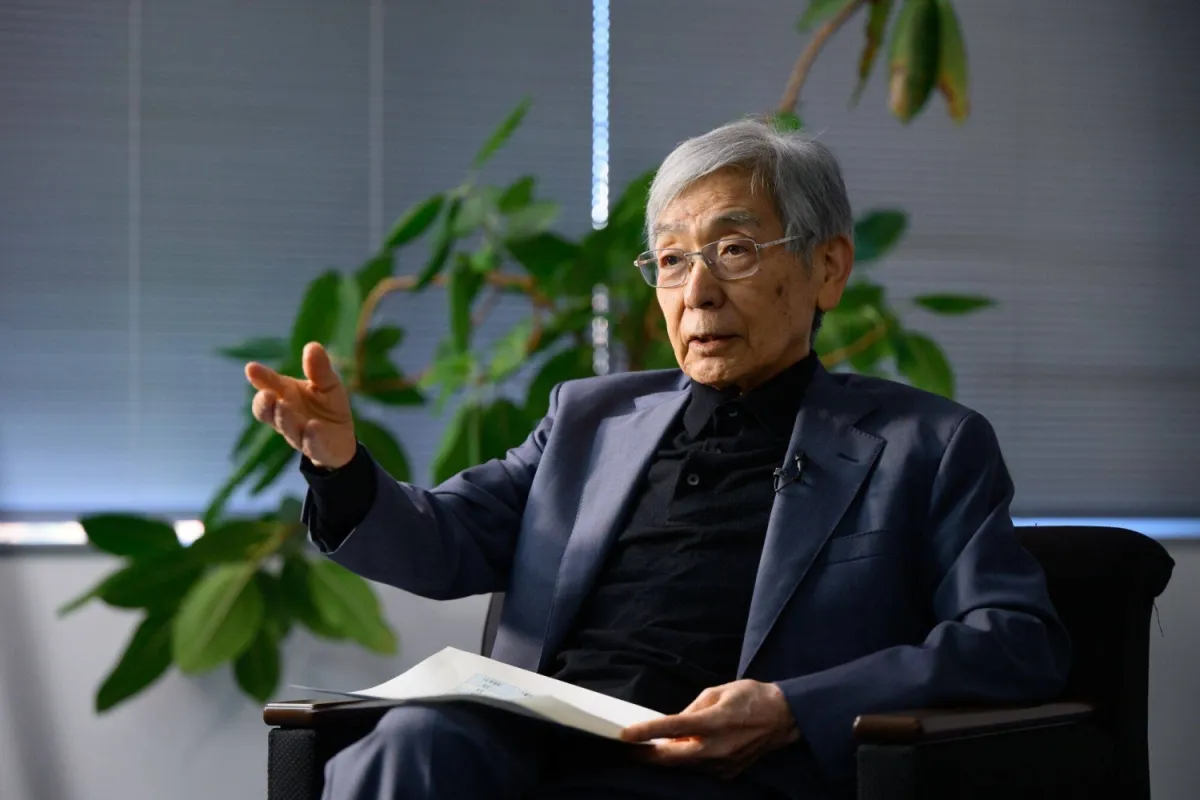
TOKYO – Haruhiko Kuroda, the former Governor of the Bank of Japan (BOJ), recently shared a surprising perspective, indicating the potential for the nation's benchmark interest rate to rise above its neutral level. This statement immediately triggered a wave of speculation in global financial markets regarding Japan's potentially more aggressive monetary policy direction in 2026.
Kuroda, a figure who led the BOJ for a decade with ultra-loose monetary policies, stated that there is a possibility the interest rate could move above the neutral rate. This neutral rate is defined as a condition where monetary policy is neither stimulative nor restrictive to the economy. This statement marks a significant shift from the narrative previously known to the public.
Kuroda's views are noteworthy given his track record of maintaining low interest rates. This hint comes as Japan's inflation shows signs of stabilizing above the BOJ's 2 percent target, fueling hopes for a long-awaited policy normalization. Previous related articles have also discussed how Japanese Bonds Become a Global Magnet Again, indicating that monetary policy shifts have long been a subject of discussion.
Analysts worldwide are now scrutinizing the potential implications of this statement. If the BOJ indeed raises interest rates above neutral, it would be a drastic move that could alter the dynamics of Japan's bond market and potentially broader global financial markets.
A hike above the neutral rate could be interpreted as a signal that the BOJ aims not only to normalize policy but also to actively curb economic growth to control potential excessive inflation in the future. This approach differs from the wait-and-see stance often adopted previously.
Japan's prolonged period of negative interest rates and massive asset purchase programs has created abundant liquidity in the market. A shift towards positive rates, let alone above neutral, would have profound implications for investors, corporations, and consumers.
Kuroda did not specify when or how quickly this shift might occur, but his statement was enough to ignite heated discussions among economists and policymakers. Markets will now closely monitor every signal from the BOJ, including inflation reports and comments from Governor Ueda, Kuroda's successor, for confirmation or clarification.
The implications for the Yen also warrant attention. An interest rate hike typically strengthens the local currency. If the Yen significantly appreciates, it could affect Japan's export competitiveness but also lower import costs, especially for much-needed energy and raw materials.
Globally, this BOJ decision could interact with the policies of other major central banks. Amid the pressure of a Soaring US Dollar and global economic volatility, the BOJ's move could add complexity or potentially provide stability to certain markets.
Market observers believe that even though Kuroda has stepped down, his views still carry weight and could reflect certain behind-the-scenes thinking at the BOJ or at least significantly influence market expectations. Vigilance is key for market participants.
Editorial Insight: Haruhiko Kuroda's statement is not merely a personal opinion, but a strong signal of a potential fundamental shift in Japan's monetary policy. Should the BOJ move towards more aggressive tightening, it would be one of the most impactful economic events of 2026, affecting global capital flows and investment dynamics, and marking the end of a very long era of cheap money in the Land of the Rising Sun.