 Demian Sahputra

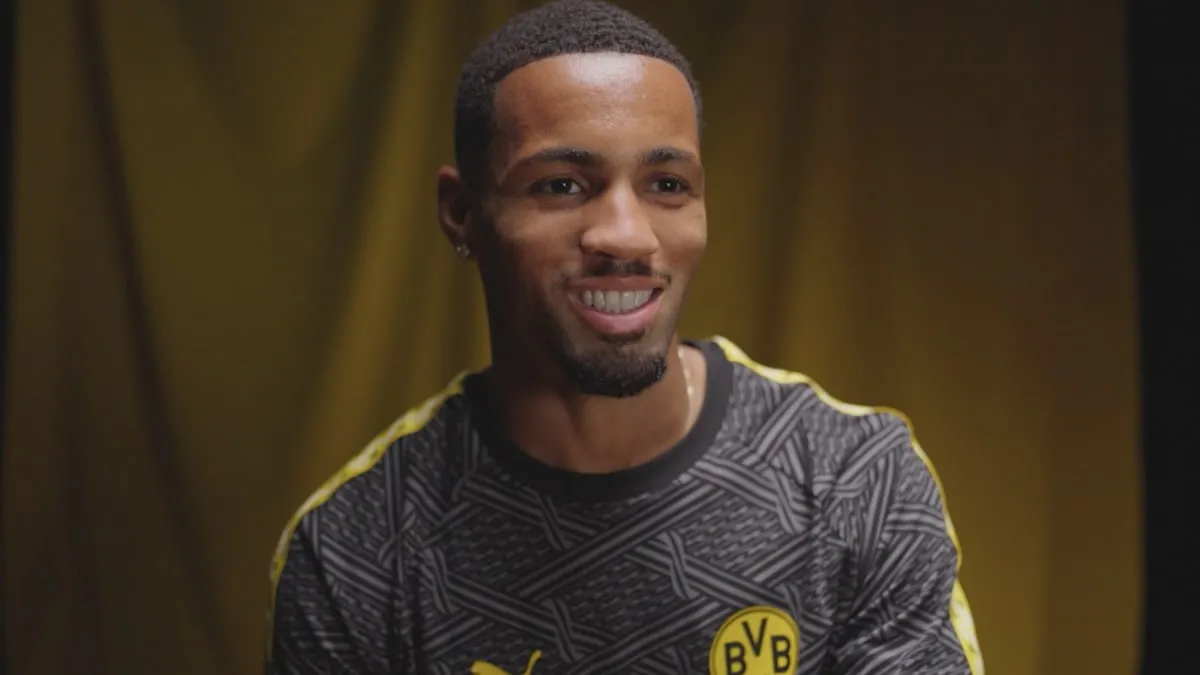
MUNICH – The controversy surrounding the management of talented young player Jamal Musiala within Bundesliga giant Bayern Munich continues to escalate. Club CEO Jan-Christian Dreesen emphatically defended former club executives Uli Hoeness and Karl-Heinz Rummenigge against accusations of inappropriate handling of the midfielder. This defense emerges amidst a wave of sharp criticism from the German professional footballers' union (VDV).
The situation arose following public statements from Hoeness and Rummenigge that indicated concerns or even disapproval regarding Musialas career progression, particularly concerning his role in the first team. These comments were perceived by some parties and the VDV as undue pressure on a young player.
During a press conference in early 2026, Dreesen stated, Of course, I stand by my position. Uli Hoeness and Karl-Heinz Rummenigge are central figures who shaped this club. Their experience and insights are invaluable. He added that every decision concerning players, including Musiala, is always made with the best interests of the club and the individual in mind.
However, the VDV voiced deep concerns. VDV spokesperson Maik Barthel asserted that public intervention from influential figures like Hoeness and Rummenigge could place excessive psychological burden on young players, especially those at a crucial stage of their career development. Players like Jamal need support and space to grow, not additional external pressure, he remarked.
The VDVs criticism highlights the importance of maintaining a conducive environment for young players to adapt and demonstrate their full potential without being weighed down by excessive public expectations, particularly from former club executives. They advocate for internal communication to remain within the private sphere.
Musiala, renowned as one of Europes brightest talents, currently stands at a critical juncture in his career. His brilliant performances on the field are often accompanied by immense pressure to meet high expectations from the club, fans, and media.
Dreesen's defense of Hoeness and Rummenigge underscores the internal solidarity of Bayern's management, at least publicly. Nevertheless, this also opens a broader discussion about the boundaries of former club executives' roles in operational matters and player development strategies.
Some German football pundits believe that although Hoeness and Rummenigge have long since vacated executive positions, their influence remains strong in almost every Bayern Munich policy. This fuels debate about the modernization of club governance and management professionalism in the era of modern football.
Major European clubs frequently face similar challenges in balancing tradition and innovation. Bayern Munich, with its long history and strong identity, often comes under scrutiny when there are differing views between older generations of management and the needs of a new era.
The German Professional Footballers' Association (VDV) urges clubs to prioritize player mental well-being and professionalism. They call for constructive dialogue between clubs, players, and player representatives to prevent similar incidents in the future.
Editorial Insight: The Jamal Musiala controversy at Bayern Munich reflects a classic tension between the influence of legendary senior club figures and the demands of modern player management. Dreesen's defense, while aiming to preserve internal image, risks prolonging the narrative debate about player autonomy and management intervention. This incident underscores that transparent communication and protection for young players remain crucial amidst the dynamics of professional football.