 Demian Sahputra
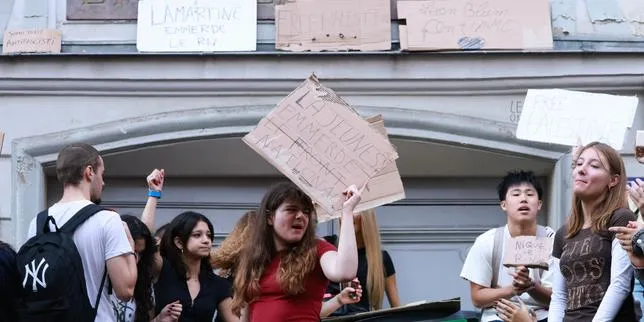
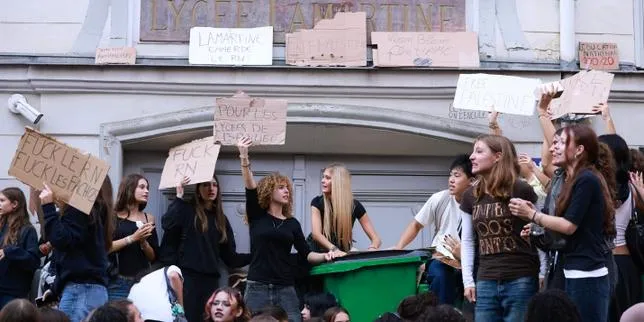
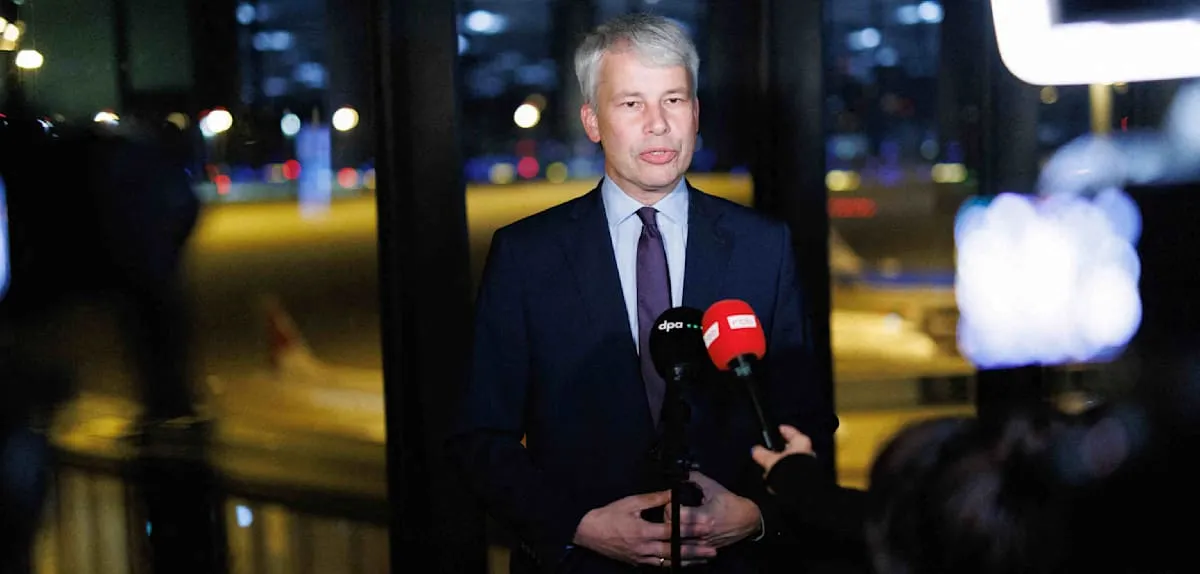
PARIS – A new wave of protests involving blockades of high schools, or lycees, across various regions of France has flared up. Edouard Geffray, a senior official at the National Ministry of Education, surprisingly acknowledged that the demands voiced by the students have legitimate grounds. However, he also strongly condemned any form of violence accompanying these demonstrations, emphasizing the importance of maintaining public order and the process of dialogue.
This acknowledgment from the ministry has become a major highlight, given the frequent student protests in France that often lead to tensions. Geffray's stance indicates room for negotiation, but with clear boundaries regarding the methods of expressing grievances.
Student unions, particularly the Union Syndicale Lyceenne (USL), immediately responded to the statement. They declared their readiness to sit down and dialogue with the Minister of National Education to find concrete solutions to the underlying issues of their demands.
USL did not stop at merely expressing readiness for dialogue. In their statement, they also announced plans for a joint mobilization to be carried out next Thursday and Tuesday. This action will involve collaboration with the Union Etudiante (UE), a student union with similar objectives.
This collaboration between student and university unions signals the potential for a convergence of struggles, a phrase often used to describe the unification of forces to pressure the government. This synergy is expected to strengthen their bargaining position against the authorities.
Student protests in France are not a new phenomenon. In recent months, a series of blockades and demonstrations have occurred, triggered by various issues ranging from education reforms, school facility conditions, to broader social issues. (Also read: French School Protests Peak: Hundreds of Lycees Blocked, Dozens Injured)
Although Geffray acknowledged the validity of the demands, there are no specific details yet about which demands are considered legitimate. Observers suspect that key demands likely revolve around increasing education budgets, improving facilities, and revising policies deemed detrimental to students.
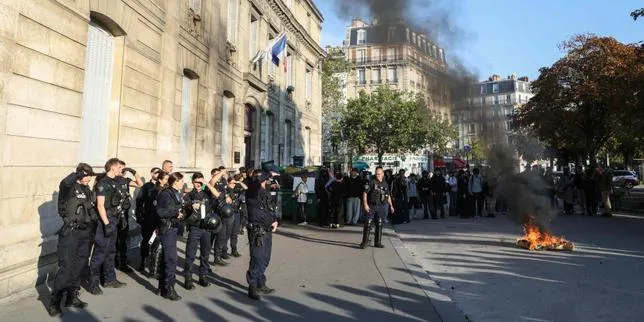
Geffray's condemnation of violence refers to previous incidents where blockade actions were often marked by vandalism or minor clashes with security forces. The government consistently emphasizes the importance of peaceful protest.
Geffray's statement can be interpreted as a government effort to de-escalate tensions and open official communication channels, while simultaneously separating the substance of the demands from anarchic acts. This is a classic strategy in dealing with mass movements.
The meeting between USL and the Minister of National Education will be crucial. The outcome of this meeting will determine whether the planned mobilization will proceed on a large scale or can be mitigated through initial agreements.
The French public awaits developments in this situation, especially the potential impact on teaching and learning activities. The government is now at a crossroads: responding constructively to demands or facing an escalation of protests from students and university students.
Editorial Insight: The official's acknowledgment of legitimate student demands is a strategic move by the French government to de-escalate the situation. However, the real challenge lies in how the government will follow up on these demands without downplaying public concerns about potential violence. The convergence of struggles between students and university students signals the threat of a more coordinated mass mobilization, which could impact social and political stability if not handled wisely. Constructive dialogue remains the only way forward, prioritizing legal principles and public order.