 Dodi Irawan
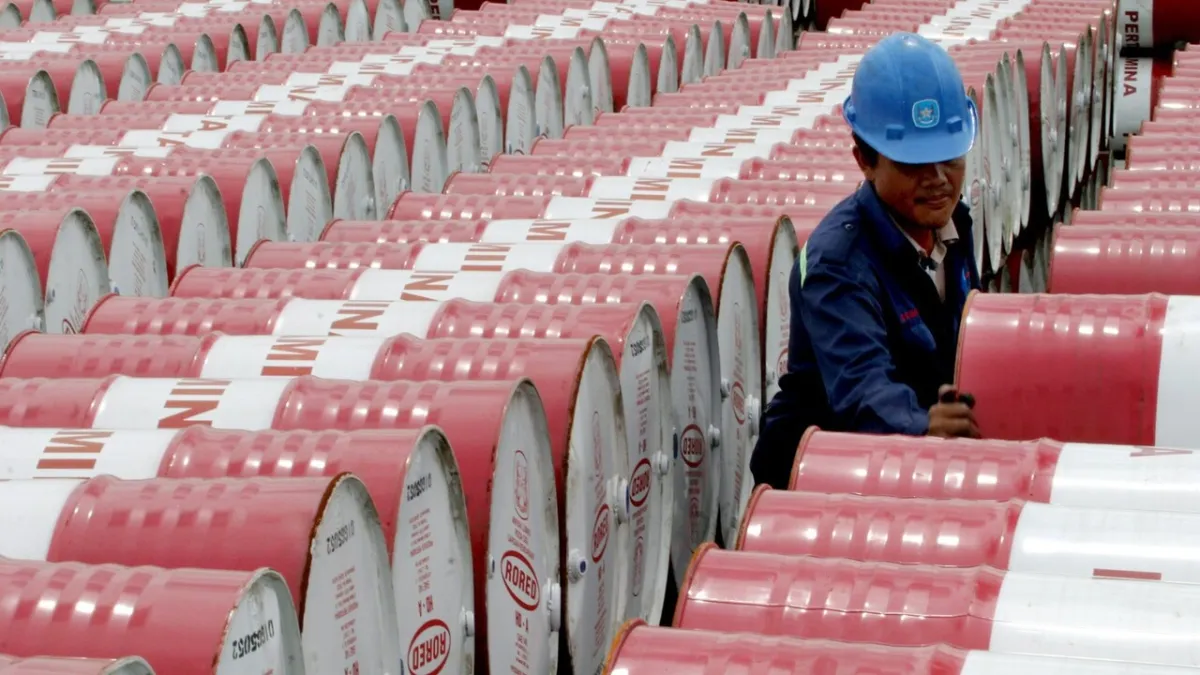
BRUSSELS – The Group of Seven leading industrialized nations (G7) recently took a dramatic step, deciding to release 100 million barrels of oil from their strategic reserves. This significant decision aims to quell the escalating global oil prices and directly respond to US President Donald Trump's threat to block oil exports to Europe. This policy underscores cross-national coordination in the face of economic and geopolitical pressures.
This move follows growing concerns in the energy market, after a series of unforeseen events that fueled speculation of price increases. The G7's commitment to injecting such a large supply into the global market is seen as an aggressive intervention to maintain broader economic stability. This collective action is expected to send a strong signal to market speculators.
The embargo threat issued by President Donald Trump was a primary catalyst behind the G7's decision. Trump, who resumed his presidency in 2026, has on several occasions hinted at protectionist policies that could affect trading partners, including threatened restrictions on vital commodity exports like oil to the European continent if certain demands are not met.
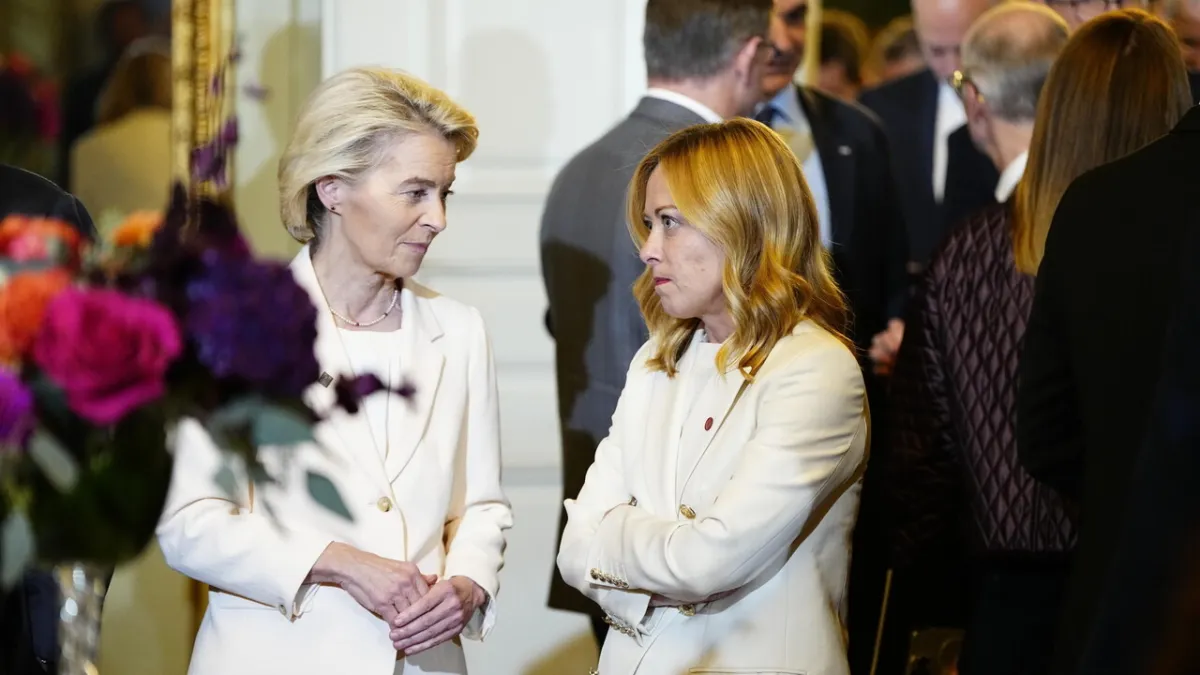
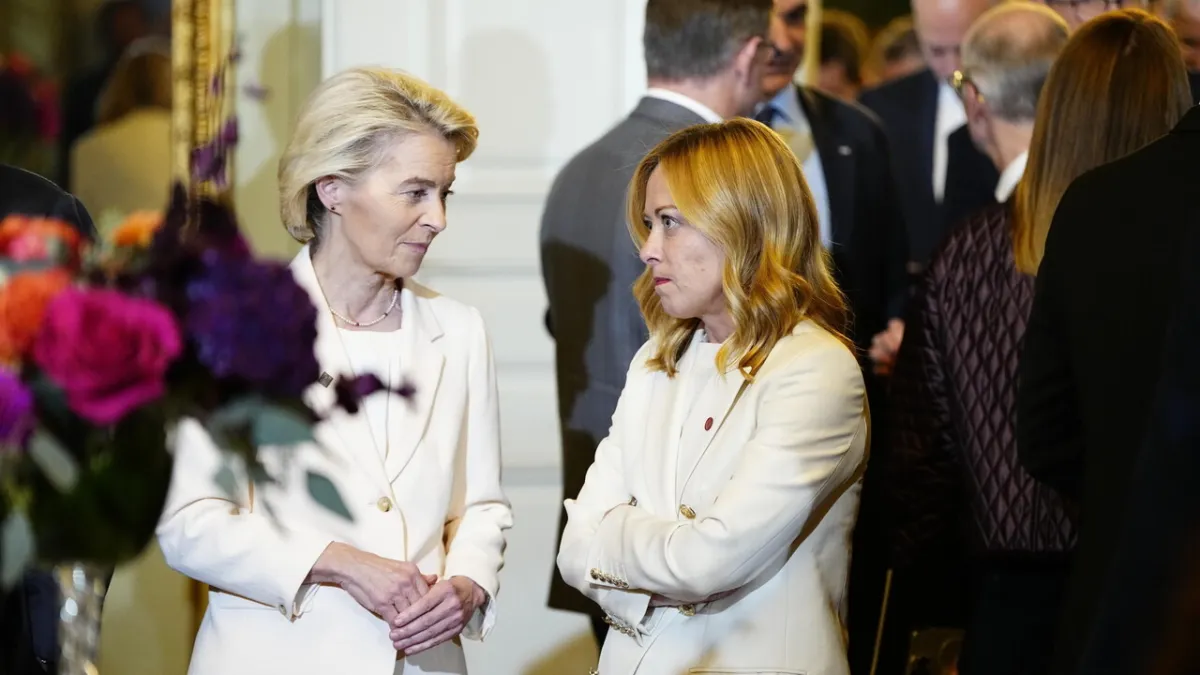
The leaders of the G7, which include the United States, Canada, France, Germany, Italy, Japan, and the United Kingdom, held an emergency meeting to discuss the potential energy crisis that could cripple the global economy. During the meeting, they agreed that such threats could not be tolerated and required a coordinated response.
Releasing strategic oil reserves is not a common occurrence and is typically reserved for major crises. This emphasizes that the current energy market situation is considered critical, with potential far-reaching impacts on industries, transportation, and the cost of living for people worldwide.
Europe, highly dependent on energy imports, is the region most vulnerable to embargo threats and oil price fluctuations. This G7 policy is specifically designed to protect European nations from potential supply crises and uncontrolled price hikes, which could trigger further inflation.
An anonymous representative stated during a virtual press conference, 'We are committed to maintaining market stability and preventing manipulation that could harm global consumers.' Official statements from G7 representatives indicated that this decision is a collaborative effort to ensure stable and affordable energy supplies.
Market analysts predict that the injection of 100 million barrels of oil will exert significant downward pressure on prices, at least in the short term. However, long-term effectiveness will largely depend on evolving geopolitical dynamics and market responses to future threats. Some economists compare this situation to events when oil prices plunged below $100 in previous years, but this time with higher political tensions.
This G7 decision also implicitly highlights the vulnerability of the global energy system and the necessity of energy source diversification. Amidst climate and geopolitical pressures, discussions about renewable energy and energy independence are becoming increasingly relevant.
Moreover, this G7 action reignites the debate regarding the role of national strategic reserves. Questions arise about how often such massive interventions can be made without undermining long-term market efficiency and creating a dependency on government intervention. Consumers and industries will continue to monitor the impact of this crucial decision on commodity prices and economic stability.
Editorial Insight:
The G7's bold move to flood the market with 100 million barrels of oil demonstrates that the global economy stands at a crossroads, facing dual pressures from energy price inflation and geopolitical uncertainty. President Trump's threat, though not fully materialized, was sufficient to trigger this rare collective response. This underscores that developed nations prioritize economic stability over political rhetoric, even if it means drawing down valuable reserves. The long-term efficacy of this intervention will be a test of G7 solidarity and the resilience of energy markets in an era of increasingly intense political unpredictability.