 Dorry Archiles
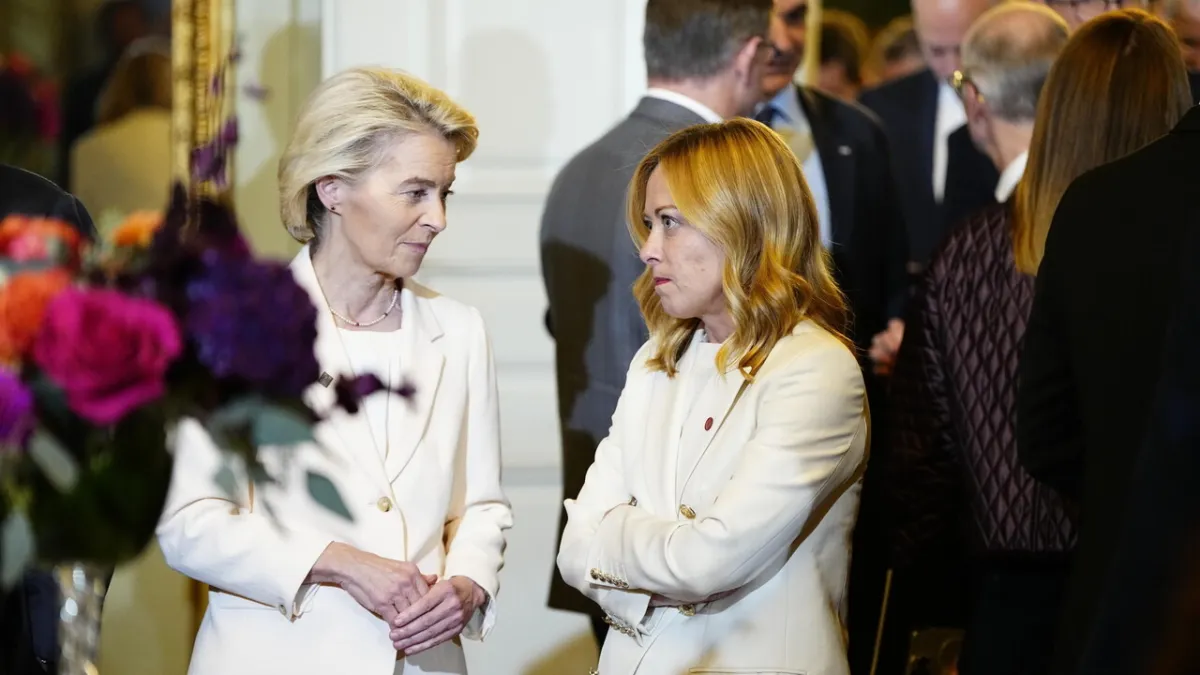
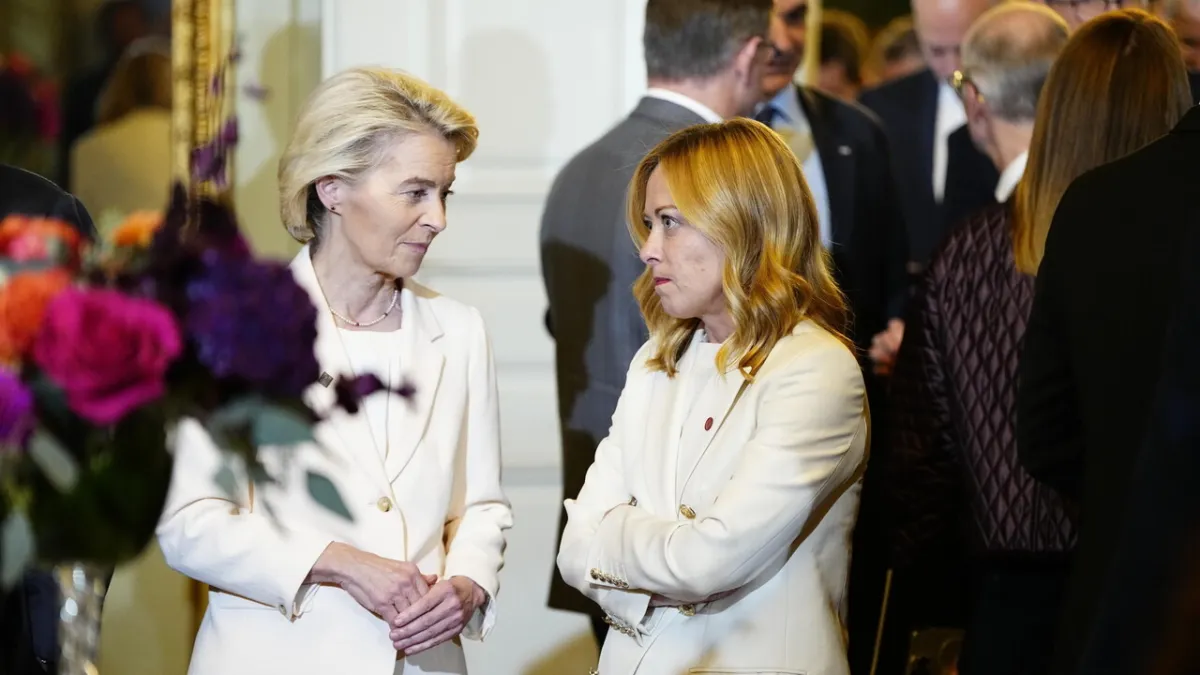
ROME – Italian Prime Minister Giorgia Meloni has emphatically urged the European Union to consider greater fiscal flexibility or be prepared to face the implementation of strict restrictive measures. Meloni conveyed this demand through an official letter to the European Commission, highlighting the significant burden of inflation on the Italian economy, estimated to affect up to 20 percent of the national Gross Domestic Product (GDP), as well as the importance of allocating targeted aid from the countrys surplus revenue.
This proactive step by the Italian leader reflects deep concerns about domestic economic stability amidst global inflationary turmoil. Previously, Meloni also highlighted inflation as a serious threat to all of Europe, emphasizing the need for urgent energy solutions. The letter sent to Brussels reaffirms Italys position, advocating for a pragmatic approach from EU institutions.
The Italian government believes that tackling inflationary pressures requires agile policy adaptation, not merely rigid adherence to stability pacts. This flexibility, according to Meloni, would enable member states to more effectively protect citizens purchasing power and support strategic sectors severely impacted.
Data indicates that the impact of inflation has eroded household purchasing power and squeezed business profit margins in Italy. This condition, if not addressed with adaptive policies, risks triggering a broader economic slowdown.
In her letter, Meloni explicitly stated that 'current inflation is burdening up to 20 percent of GDP'. This figure illustrates the scale of the challenge Italy faces, requiring careful policy intervention and support at the supranational level.
The Italian government proposes that extra revenue generated from specific policies could be allocated for 'more targeted aid'. This assistance is designed to reach the most vulnerable groups in society and essential industrial sectors, to ensure continued operations and employment.
However, the response from the European Union, particularly the European Commission, appears more cautious. Sources in Brussels indicate a reluctance to grant overly broad fiscal leeway, given the necessity of maintaining budgetary discipline across the bloc.
EU officials acknowledge the inflationary pressures, but they also prioritize long-term fiscal stability and the prevention of excessive deficits that could threaten the integrity of the eurozone. Discussions on national deficit and debt limits remain a key agenda item.
Nonetheless, dialogue between Rome and Brussels continues. It is hoped that common ground will be found that considers the urgent needs of member states affected by inflation, without compromising the overall EU fiscal framework.
Italys proposal includes several key points submitted to Brussels:
- Provision of temporary fiscal leeway for countries whose GDP is heavily impacted by inflation.
- The ability to use national revenue surpluses for specific social and economic aid programs.
- Review of EU budget deficit limits to be more flexible in crisis situations.
This tension highlights a broader debate on how the European Union should respond to complex economic crises. Whether through a more centralized and rigid approach, or by granting greater autonomy to member states to adapt to their specific conditions.
Editorial Insight: Giorgia Melonys push to the European Union underscores that the global economic dynamics of 2026 demand a more adaptive policy response from the regional bloc. The balance between fiscal discipline and the urgent need to protect citizens from inflationary impacts will be a crucial test for the European Commissions leadership. The outcome of these negotiations has the potential to reshape the EUs approach to macroeconomic policy in the future, especially in confronting similar challenges.