 Angela Stefani
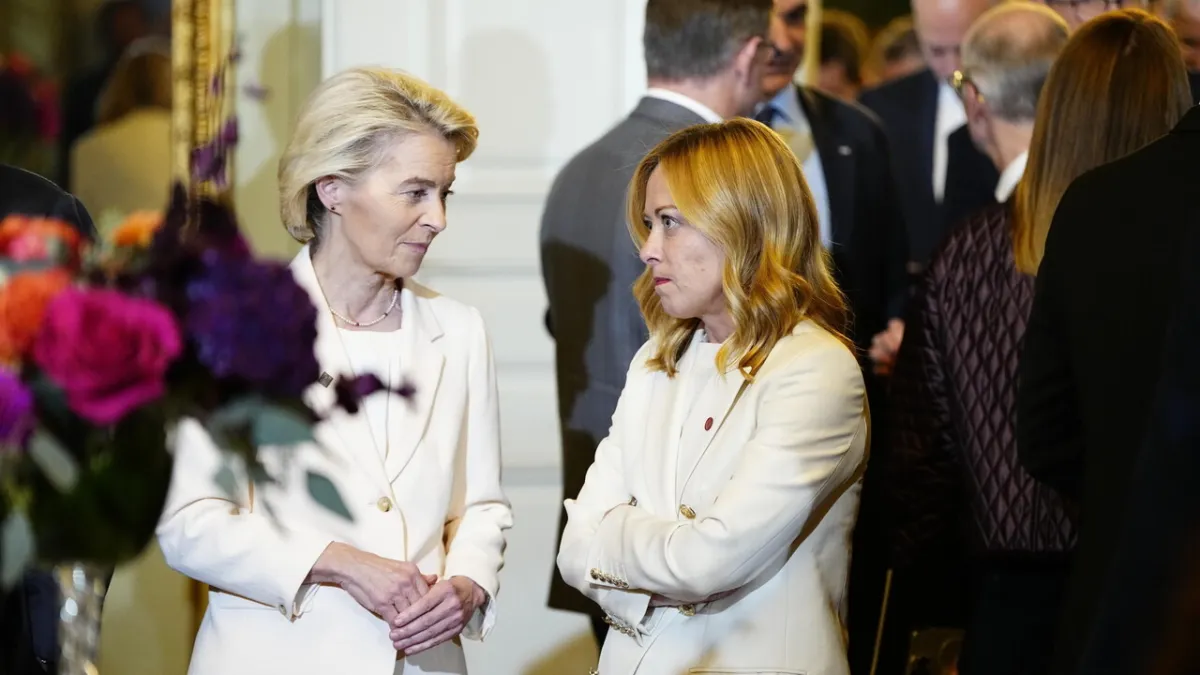
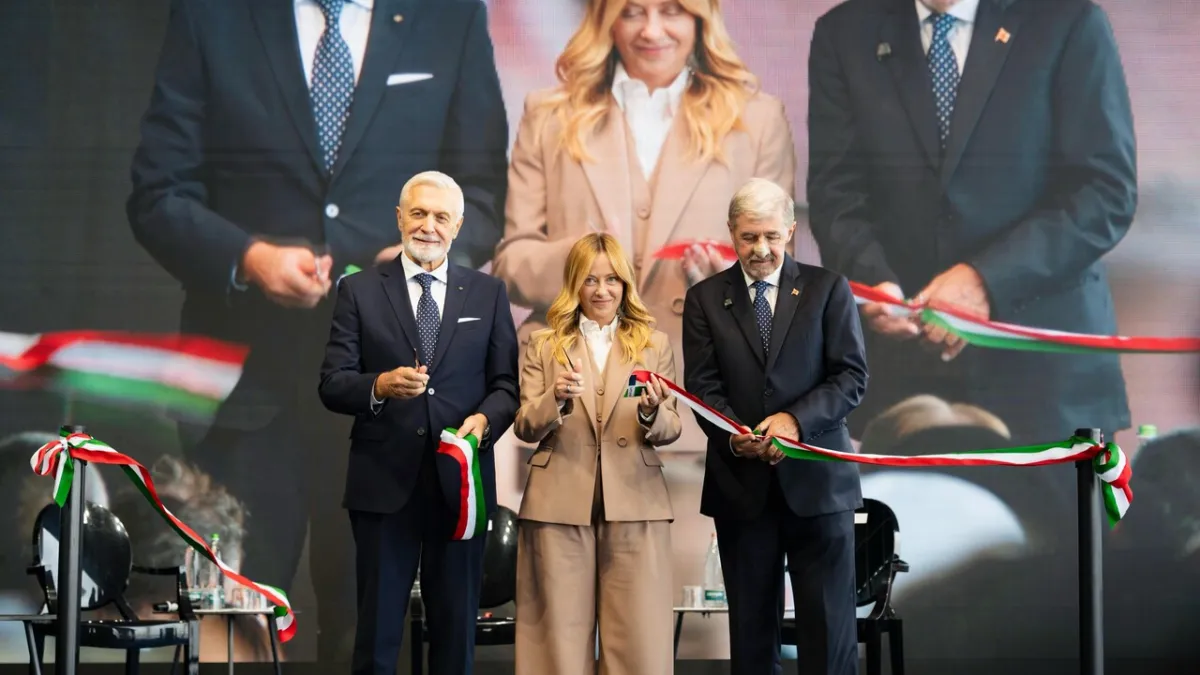
ROME – Italian Prime Minister Giorgia Meloni has launched sharp criticism at the European Union (EU), asserting that persistent high inflation is currently suffocating the purchasing power of citizens across the continent. Meloni conveyed this urgency amidst a crucial meeting at Palazzo Chigi, Rome, discussing Italy's budget maneuver and seeking collective solutions to the ongoing global energy crisis in 2026.
Meloni explicitly stated that the elevated inflation rate has become a heavy burden on household expenditures, creating significant pressure on the economic lives of member state citizens. She highlighted the urgency for concrete action from Brussels to alleviate the economic impact felt by millions of residents.
In response to Meloni's statement, EU representatives from Brussels declared that the bloc has already provided sufficient flexibility within the existing policy framework. This statement implies that the EU feels it has taken adequate measures to support member states in facing economic challenges.
However, Rome believes that flexibility alone is insufficient. Italy, allied with the Czech Republic, formed a Rome-Prague axis to push for more drastic measures, particularly concerning the energy market. This alliance seeks innovative solutions to ease energy price pressures.
The meeting at Palazzo Chigi serves as a strategic forum for the Italian government to finalize its crucial budget maneuver draft. Its main agenda includes fiscal strategies to combat inflation and foster economic growth amidst continuous global volatility.
The Italian and Czech governments jointly proposed temporary measures on the Emissions Trading System (ETS) in response to extreme energy price volatility. The ETS is designed to price carbon emissions, but under certain conditions, it can exacerbate increases in production and energy consumption costs.
This proposal aims to reduce energy price volatility by stabilizing the carbon market in the short term, thereby preventing a domino effect on industries and consumers. Global energy price fluctuations in 2026 indeed remain a major challenge for European economic stability.
We need bold and pragmatic interventions, said a senior Italian official who wished to remain anonymous, commenting on the Rome-Prague initiative. Flexibility is good, but in a crisis like this, we need direct mitigation mechanisms.
European economic analysts view this proposal as a significant effort by member states to take policy initiative on energy, amid perceptions of slow response from central EU authorities. This also reflects new dynamics in European economic decision-making.
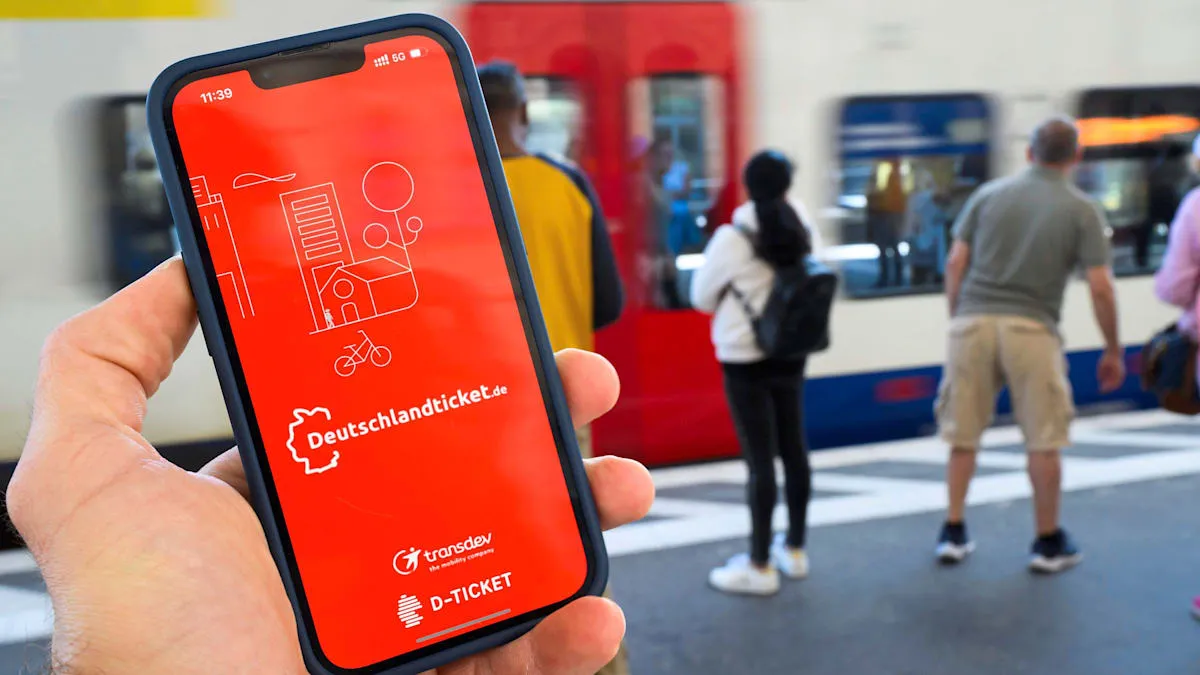
Debates surrounding inflation and energy policy have also drawn attention in other countries. Germany, for instance, faces similar dilemmas with rising public transportation prices. This reinforces the argument that the economic challenges faced by Italy are not isolated incidents but rather a reflection of broader structural problems within the European Union. Deutschlandticket Price Soars: German Environmental Policy on the Brink?
This situation also harks back to discussions about EU internal integration and cohesion. Despite Brexit having occurred, the idea of EU reintegration remains a hot topic, indicating that economic challenges can trigger fundamental shifts in the bloc's political landscape. Brexit Aftermath: EU Reintegration Discourse Echoes, British Public Decides.
Meloni emphasized that EU macroeconomic policies must be more responsive to real conditions on the ground, where citizens struggle to maintain their purchasing power. This is a call for a more adaptive approach, not just standard solutions.
The impact of the energy crisis has been widespread, from production costs to consumer goods prices. Without effective intervention at the source of the problem, namely energy prices, efforts to control inflation will face serious obstacles.
The meeting of leaders in Rome will determine Italy's direction in facing these economic pressures, while also sending a strong signal to the European Union regarding the need for a more integrated and proactive approach.
Editorial Insight: Meloni's insistence is not merely a reflection of frustration, but also a political strategy to place living costs and energy issues at the top of the EU agenda. Brussels' cool response may indicate increasing tension between member states and the central commission. The success of the Rome-Prague axis in driving changes to ETS policy will be a crucial barometer for the EU's ability to adapt to ongoing crises. Without immediate solutions, public trust in European institutions could erode further.