 Dorry Archiles
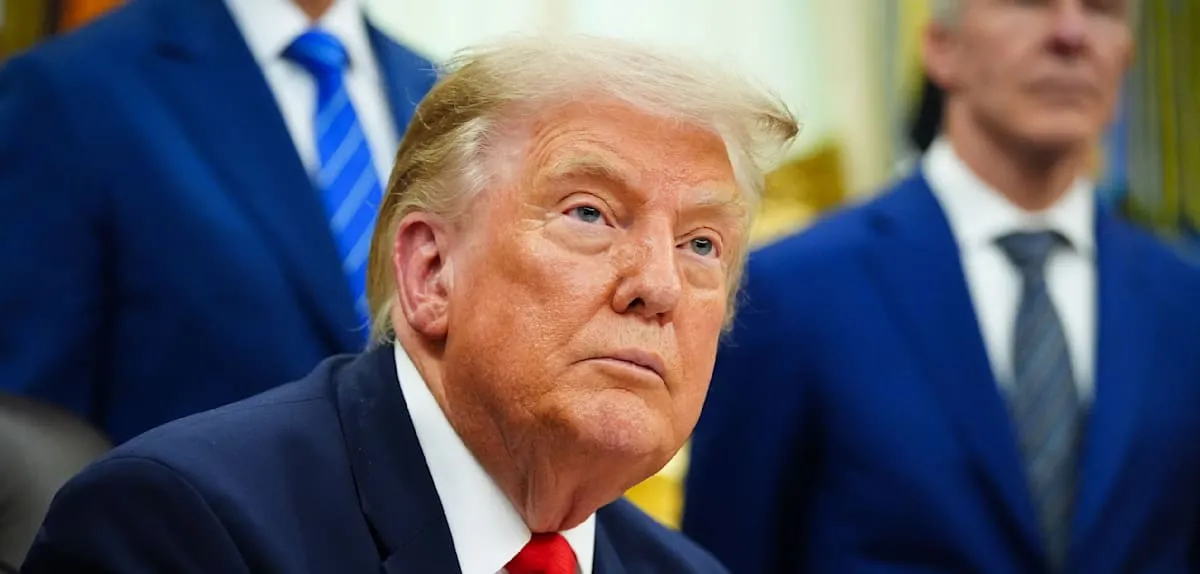
Washington D.C. — Former President Donald Trump officially announced on August 15, 2026, a significant agreement for the comprehensive disarmament of Hamas, a diplomatic initiative he claims will bring lasting peace and substantial security to Israel, while paving the way for the formation of a new Palestinian government in the Gaza Strip. This announcement marks a crucial point in efforts to resolve the Middle East conflict.
This major initiative, conceived through Trump's private peace council, highlights a significant breakthrough after intensive negotiations in various closed forums. A primary commitment of this agreement is the transformation of the Gaza Strip's status, which will no longer be permitted to serve as an operational base for terrorist activities.
This disarmament clause constitutes a fundamental security guarantee for Israel. For years, the country has faced constant security threats from militant groups operating from Gaza, often leading to bloody escalations of conflict.
Commenting on this achievement, Trump stated, "The agreement concluded by my peace council is a monumental step towards lasting peace, security, and a new Palestinian government." This statement underscores high optimism for sustained stability in the region.
Implementation details regarding the verification mechanisms for Hamas' disarmament, as well as how the transition of power in Gaza will proceed, remain subjects of further discussion and operational planning. However, this initial announcement has triggered waves of hope alongside a series of crucial questions from various international parties.
The Israeli government, through its chief spokesperson Elazar Cohen, welcomed the peace initiative. They emphasized the urgency of long-term security guarantees and transparency throughout the verification and arms control process to be implemented in the Gaza Strip.
The formation of a "new" Palestinian government in Gaza indicates a substantial political shift. This could mean a restructuring of leadership, or even the establishment of a more inclusive and internationally recognized governmental entity, unaligned with militant factions.
The role of the international community will be crucial in supporting this transition process. Diplomatic assistance, financial backing for rebuilding Gaza's infrastructure, and technical aid in establishing stable governmental institutions will be key to success.
The Gaza Strip, long afflicted by blockade and recurring conflict, is expected to enter a new era of stability and development. Hamas' disarmament is seen as a primary prerequisite for opening broader access to humanitarian aid and attracting essential investment for the region's economic recovery.
International political analysts note that this agreement has the potential to alter the geopolitical landscape of the Middle East. Its successful implementation will serve as a benchmark for the effectiveness of diplomacy in resolving one of the world's most protracted conflicts. It also reaffirms the active role of independent peace councils in achieving solutions.
The challenges ahead for this process are not small, including potential resistance from hardline factions opposing disarmament, the need to ensure representative participation from all elements of Palestinian civil society, and flawless coordination among all involved parties to ensure the sustainability of the peace agenda. Italy, through its military contributions in the region, also plays a role in maintaining regional stability.