 Dorry Archiles
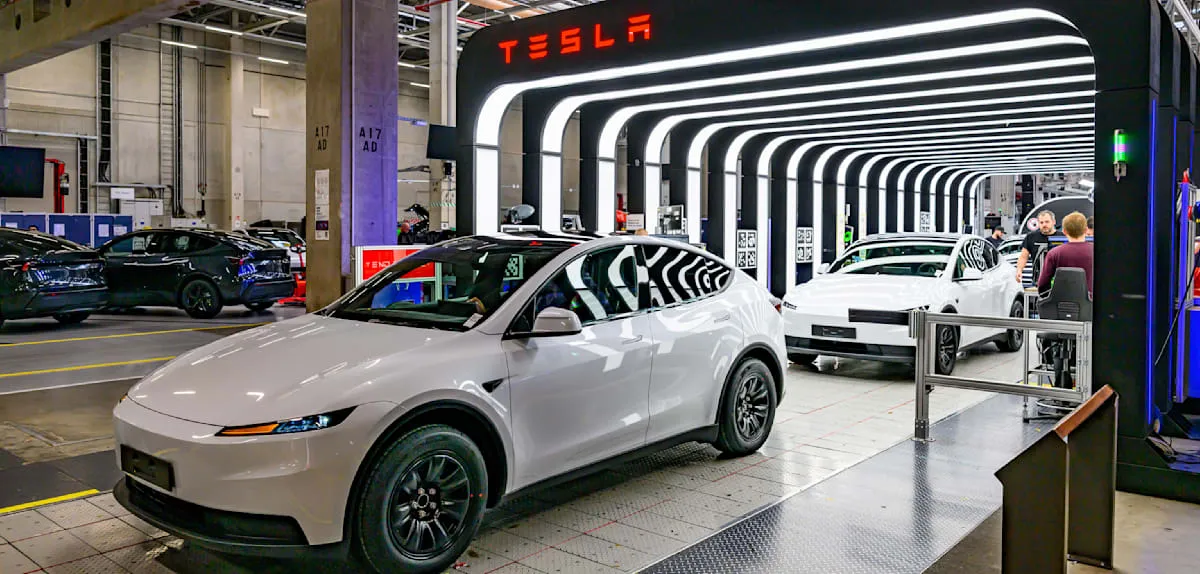
Germany— The automotive industry in Europe, particularly in Germany, has surprisingly begun to slash incentives and significant discounts for electric vehicle (EV) purchases in 2026. This phenomenon coincides with a substantial increase in discount offers for internal combustion engine (ICE) vehicles, a strategy potentially reshaping the automotive market landscape and drastically influencing consumer choices amidst the global energy transition push.
This policy shift marks a new chapter in the competition between eco-friendly and conventional technologies. Recent market analysis indicates that while EV market share continues to grow gradually, the profitability of EV models appears to remain a challenge for many manufacturers, prompting a reevaluation of sales strategies.
Consumers previously attracted to electric cars due to various tempting subsidies and discounts must now confront the reality of prices increasingly approaching or even exceeding conventional vehicle price tags. The purchase price gap between EVs and ICEs is now widening, making fossil-fueled vehicle options attractive again to a large segment of buyers.
Automotive giants such as Volkswagen, Mercedes-Benz, and BMW, who have heavily invested in electrification, appear to be adjusting their pace to economic realities. Priority shifts from merely pursuing EV sales volumes to securing sustainable profit margins, even if it means re-promoting combustion engines.
Sales data throughout the first quarter of 2026 show varied market responses. Some premium EV segments still maintain their appeal, but mid-to-low-priced EV models face greater pressure due to discount withdrawals. Conversely, ICE vehicle sales, especially newer models with better fuel efficiency, show an upward trend.
"This decision reflects the complex market dynamics and profitability pressures facing the automotive industry," stated a senior analyst from a leading automotive market research firm. "While the long-term vision remains electrification, the short term demands strategic adaptation to maintain the companies' financial health."
This move raises questions about Europe's commitment to ambitious climate goals, including strict emission reduction targets. The withdrawal of EV incentives could slow down the adoption of zero-emission vehicles and potentially hinder efforts to achieve carbon neutrality in the future.
Governments across various European countries, including Germany, previously offered substantial subsidies for EV purchases. However, over time, some of these subsidies have been reduced or withdrawn, further worsening market conditions for EVs and pressuring manufacturers to rely on independent sales strategies.
This situation also parallels intense debates surrounding environmental policies within the legislative arena. For instance, in Germany itself, Germany's Heating Law Challenged in Constitutional Court, illustrating the complexity of balancing climate ambitions with economic and social realities.
Nevertheless, innovations in battery technology and improvements in charging infrastructure continue. Many hope that better production efficiency and decreasing battery costs will naturally lower EV prices in the future, even without significant discount support from manufacturers.
The dilemma for manufacturers is how to maintain the transition momentum while still generating profit. Reducing EV discounts might be an attempt to gain better margins per unit, while promoting ICEs aims to compensate for a potential short-term decline in EV sales volume.
Geopolitical factors and global energy price fluctuations also play a role. Rising raw material costs and supply chain disruptions affect EV production costs, while unstable energy policies could make petrol or diesel prices volatile again, impacting consumer purchasing decisions.
Observers predict that the 2026 automotive market will be the true testing ground for electrification strategies. The extent to which manufacturers can balance environmental demands, profitability, and consumer demand will determine the industry's direction in the coming decade.
Thus, the era of massive discounts for electric cars may have ended, at least temporarily. The automotive industry, in its effort to navigate post-pandemic economic complexities and inflationary pressures, is once again finding value in conventional engine vehicles. This is a strategic step backward, not a total rejection of the electric future.