 Chris Robert
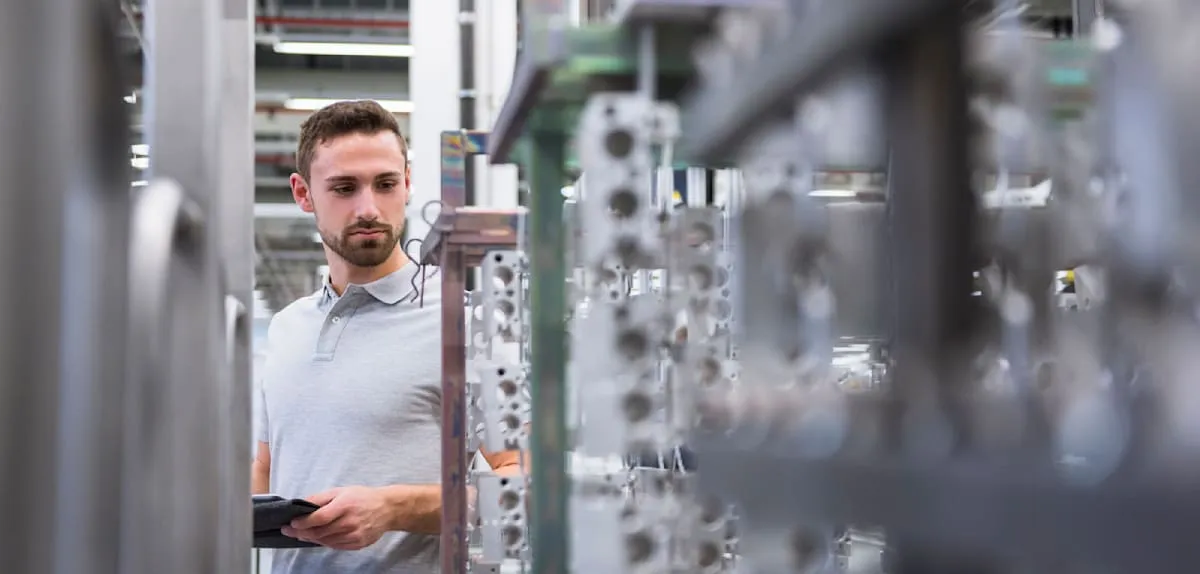
BERLIN – Germany's small and medium-sized enterprises (SMEs), collectively known as the Mittelstand, are confronting their most precarious conditions in two decades. Investment from these vital companies has plummeted significantly, reaching its lowest level in 20 years. This dramatic situation is fueled by deteriorating business conditions and an increasing number of companies grappling with financial difficulties, resulting in a three-year consecutive stagnation in job creation within the small business segment.
This investment crisis is not merely a statistical anomaly; it is a direct reflection of the severe pressures experienced by the heart of the German economy. Latest data from 2026 indicates that the business outlook for many SMEs has darkened considerably, compelling them to postpone or even cancel expansion and modernization plans.
Business owners across Germany are feeling the immediate impact of this slowdown. Many report declining profits and disproportionately rising operational costs. Global economic uncertainties, inflationary pressures, and energy price fluctuations are cited as key factors exacerbating the situation.
According to recent economic reports, the number of companies now in financial distress continues to climb. This presents a challenge not only for business owners but also for the thousands of workers who depend on the stability of these enterprises.
One of the most alarming indicators is the fact that, for three consecutive years, small businesses in Germany have failed to create net new jobs. This signifies not only a lack of growth but also a potential erosion of the robust labor market foundations that have long characterized the country.
The Mittelstand, comprising tens of thousands of SMEs, has traditionally been the backbone of the German economy, contributing the majority of its GDP and serving as a primary innovator. A decline in confidence and investment in this sector has the potential for widespread ripple effects across supply chains and industries.
The German government and various industry associations now face a formidable task. Stimulus policies and investment incentives are becoming increasingly urgent to prevent the economic situation from spiraling into a deeper recession. Without significant capital injections, recovery is projected to be slow.
Several economists highlight that this issue is not a new phenomenon, but its escalation in 2026 has reached a critical juncture. Early warnings emerged several quarters prior, yet comprehensive responses have not yet yielded tangible results.
This situation also raises questions about Germany's long-term global competitiveness. If domestic innovation and investment are hampered, the nation's capacity to adapt to future economic challenges could be severely compromised.
Editorial Insight:
The plummeting SME investment in Germany to a two-decade low is not just an alarm; it is a stark warning bell for Europe's economic stability. The failure of this vital sector to invest and create jobs signals deeper structural issues, extending beyond typical economic cycles. The German government must promptly implement more aggressive and targeted policies to preserve the Mittelstand's competitiveness, before this investor confidence crisis escalates into broader economic turmoil. Without effective intervention, the foundation of Europe's strongest economy risks facing a prolonged period of stagnation.