 Gabriella
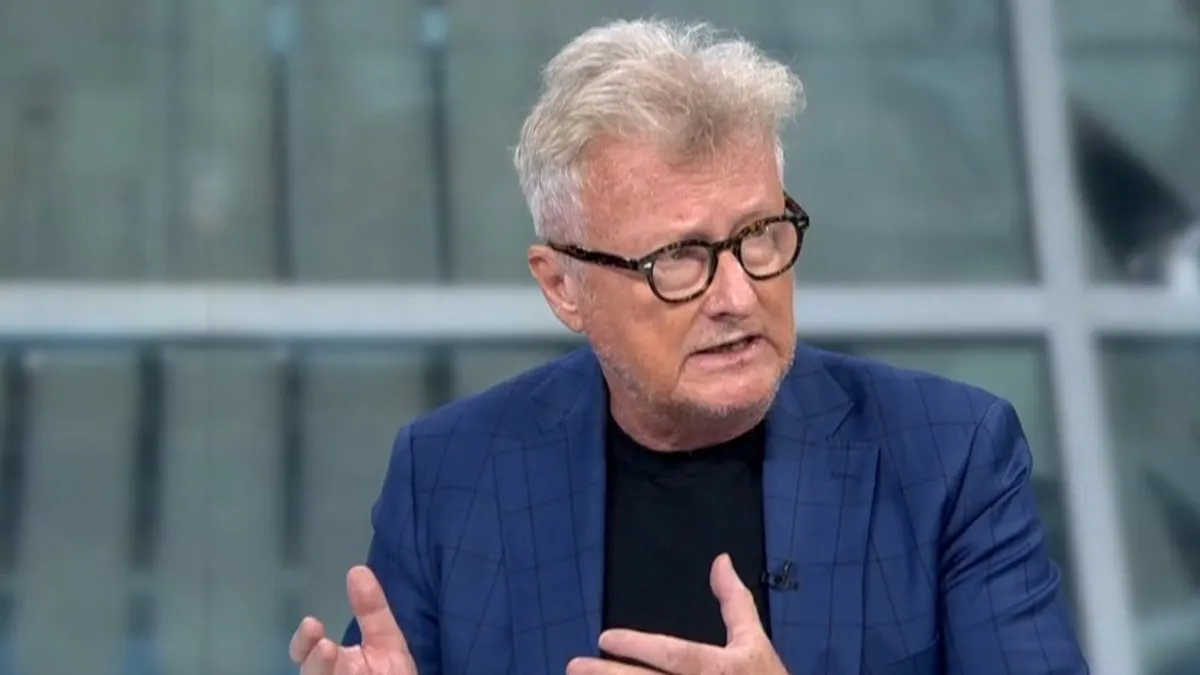
BERLIN – The German media and political landscape is in turmoil after Elif Eralp, a respected senior journalist, emphatically removed the name of Ibrahim Ibrahim, a figure often referred to as a 'terror godfather', from her interview material. This bold move is more than just an editorial action; it is a statement of defiance against pressure and intimidation threatening press freedom in the German capital. Eralp declared she would not succumb to threats, echoing a sharp sentiment she conveyed: 'I have not the slightest desire to live in an outpost of the Gaza Strip,' a metaphor describing her rejection of living conditions under pressure and control.
The incident immediately garnered widespread attention, including from Hans-Ulrich Jorges, a prominent columnist. Jorges, in his direct style, highlighted the serious implications of this event for German democracy. He overtly compared such patterns of intimidation to mafia practices.
'This is only known from the Mafia. Berlin must not fall into the hands of the Left,' Jorges stated, underscoring his fear of a potential shift in political control in Berlin that could erode democratic values and civil liberties. His statement emphasizes deep concerns about the influence of certain groups that could dictate public narratives.
This event has rekindled discussions about the integrity of journalism and the dangers faced by media professionals when dealing with controversial figures or influential groups. Eralp's courage in removing the name is seen as a symbol of resistance against attempts to silence.
Political observers conclude that Eralp's and Jorges's responses reflect increasing tension within the German political landscape. The capital, long known as a center of openness, now faces real challenges concerning the limits of freedom of expression.
The ensuing public debate highlights the critical role of the media in maintaining accountability and transparency, especially amidst efforts to steer opinion or suppress inconvenient information. Eralp's case marks that the last line of defense against a singular narrative lies in the bravery of journalists.
Eralp's quote regarding 'an outpost of the Gaza Strip' is not merely a personal expression but a reflection of a global threat that can restrict individual movement and freedom of thought. It expands the debate from Berlin's local scope to a more universal humanitarian issue.
This threat holds strong relevance to concerns about potential regional destabilization and global conflict, aligning with the attention also raised in the article on cyberattacks in Russia and Ukraine, demonstrating that geopolitical tensions can trigger various forms of societal threats.
Jorges's warning that 'Berlin must not fall into the hands of the Left' also indicates a larger political concern. He might be referring to a specific political spectrum that, in his view, tends to be authoritarian or less appreciative of media pluralism.
This incident is expected to trigger a thorough evaluation of legal protections for journalists and the mechanisms available to counter intimidation. Press institutions and civil society organizations are urged to be more active in supporting journalists who dare to speak the truth.
The importance of maintaining media independence is a central focus. In an increasingly complex global context, where disinformation and political pressure often serve as tools, Elif Eralp's actions serve as a reminder of the true essence of journalism.
The situation in Berlin can be compared to challenges to freedom of expression in other regions, as implied in an article about riots in Frankfurt which also demonstrates complex social and political dynamics in Germany.
This case also reaffirms that courageous investigative and editorial journalism is a crucial pillar in upholding the foundations of democracy. Without critical voices, society risks losing the ability to distinguish fact from propaganda.
The future of Berlin's politics, with all its internal and external challenges, now becomes an arena for the battle of fundamental values. How the city will respond to the warning calls from its journalists will determine the direction of democracy in the heart of Europe.
Editorial Insight:
The incident involving Elif Eralp and Hans-Ulrich Jorges's comments is not merely about an edited interview; it reflects a broader struggle against silencing attempts and political polarization in Germany. The perceived threat to press freedom, metaphorically likened to an 'outpost of the Gaza Strip', underscores the fragility of democracy when confronted by non-transparent actors. If Berlin, as a symbol of openness, fails to protect critical voices, it could set a dangerous precedent for the future of independent journalism across Europe. Safeguarding media integrity is essential to prevent information distortion and maintain a healthy public sphere.,
excerpt: Seorang jurnalis di Jerman menolak intimidasi politik, menghapus nama tokoh kontroversial dari wawancara, dan memperingatkan keras tentang masa depan politik Berlin.,
excerpt_en: A prominent German journalist defies political intimidation, removes a controversial figure's name from an interview, and issues a stark warning about Berlin's political future.