 Stefani Rindus
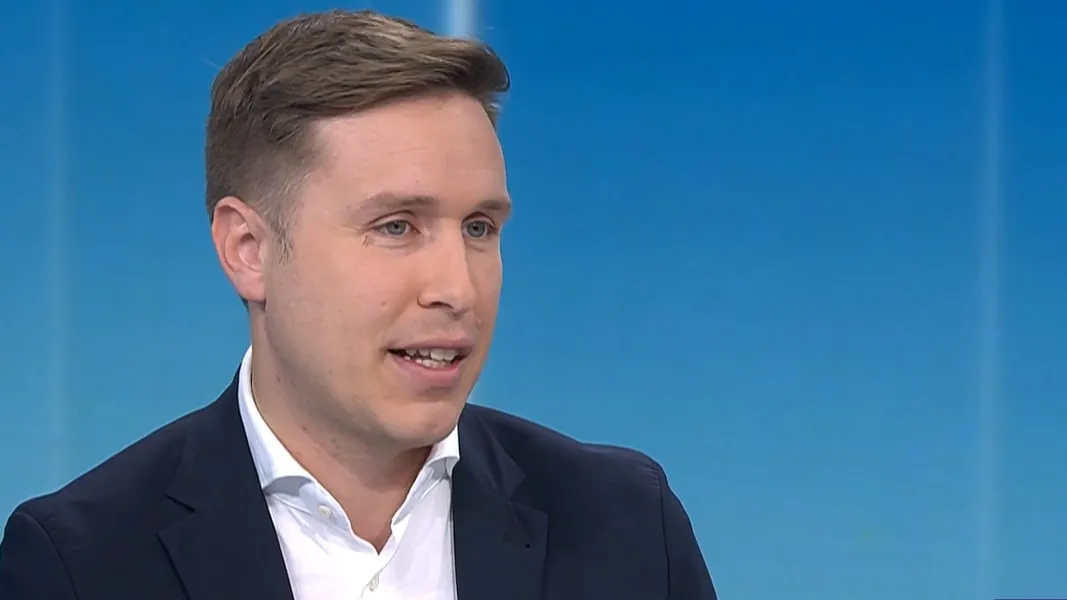
BERLIN – The stability of the German government under Chancellor Olaf Scholz faces a significant challenge after the Vice-Chairman of the Social Democratic Party (SPD) parliamentary group, Esra Limbacher, issued a stark warning regarding a potential social crisis. Limbacher emphasized that government policies cannot solely focus on budget cuts without considering their impact on society.
In an exclusive interview with WELT, Esra Limbacher affirmed that the current government's foundation remains solid. However, he strongly cautioned against a reform approach that relies solely on reducing social spending. We cannot just cut and shorten things, he stated, underscoring the need for a more comprehensive and balanced approach.
Limbacher's statement emerges amidst declining public support for Chancellor Scholz's reform agenda. An increasing number of citizens feel alienated by government policies, exacerbating concerns about weakening social cohesion. This issue is particularly relevant given previous reports on German political stability, such as AfD Seeks Defectors After Sachsen-Anhalt Election, Coalition Under Threat, which illustrate volatility in the political landscape.
The concerns voiced by Limbacher are well-founded. Economic data indicates that various segments of German society are beginning to feel the pressure from tight fiscal policies and lingering inflation. The SPD parliamentary group, as part of the ruling coalition, now faces a dilemma: maintaining cabinet stability versus responding to the social demands of its constituents.
Limbacher highlighted the importance of broader and more inclusive dialogue in formulating policies. He argued that sustainable reforms require support from diverse stakeholders, not just a select elite. Without active public participation, any reform effort risks creating deeper polarization.
Calls for a re-evaluation of the reform direction also come from various trade unions and civil society organizations. They urge the government to be more sensitive to the basic needs of the populace, especially vulnerable groups most affected by social budget cuts.
The coalition government led by Scholz, comprising the SPD, the Green Party, and the FDP, now faces the difficult task of balancing fiscal consolidation with social protection. Criticism from within the coalition itself, as expressed by Limbacher, indicates underlying tensions in determining policy priorities.
German political history shows that social stability often serves as the primary barometer of a government's success. Neglecting this aspect could trigger serious unrest, potentially shaking the country's political foundations.
This statement from the SPD parliamentary group's Vice-Chairman serves as a strong signal to Chancellor Scholz and his cabinet to exercise greater caution in all decisions related to public welfare. This is not merely an economic issue but also a matter of trust and political legitimacy.
Given the global conditions filled with uncertainty, such as the ongoing conflict in Ukraine that continues to demand Germany's attention and resources, the government must be extra diligent in managing internal resources. Billions of euros in aid to Ukraine, while important, must be balanced with adequate allocation for domestic needs, as discussed in Merz Channels Billions of Euros to Ukraine, Germany Divided Pro-Contra Aid.
Editorial Insight: Esra Limbacher's warning is more than just ordinary criticism; it is a profound reflection of the pressures currently facing the German coalition. If the government fails to find a balance between fiscal reforms and social protection, the risk of political and social fragmentation will increase. Attention to the welfare of the people must be a top priority to ensure long-term stability.