 Chris Robert
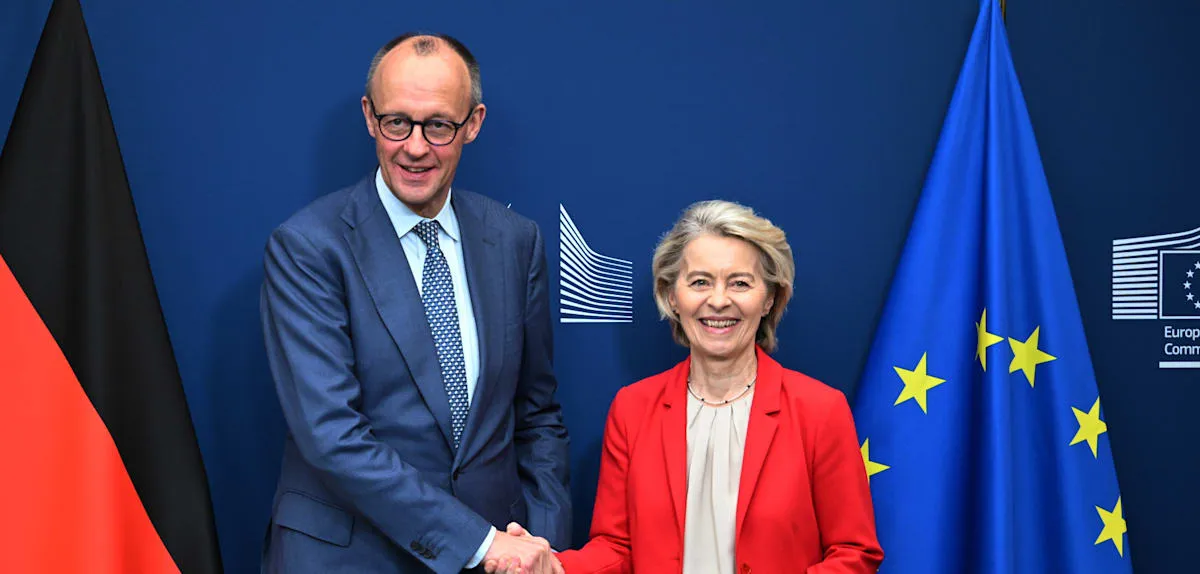
BRUSSELS – Last year, Germany once again affirmed its dominance as the financial backbone of the European Union (EU) by contributing 14.9 billion euros more to the bloc's coffers than it received back into the federal republic. This staggering figure positions Germany as the largest net contributor, almost tripling the amount of the second-highest net-contributing member state.
Data revealed regarding the 2025 budget underscore the scale of Germany's financial commitment to European integration. Such a significant net contribution gap not only reflects Germany's economic power but also its irreplaceable role in maintaining the financial and operational stability of the European Union.
The concept of a net contributor refers to a member state that pays more into the EU budget than it receives back through various programs and allocations. Conversely, a net beneficiary is a country that gains more from the EU budget than it contributes.
Germany's dominance as the largest net contributor has been a consistent pattern for years. However, the almost threefold difference compared to the second-largest net contributor in 2025 highlights a widening disparity in economic capacity among key EU member states.
Germany's robust economy, with its resilient export industries and the largest GDP in Europe, serves as the primary foundation for its ability to bear such a significant financial burden. These contributions support various EU policies, ranging from agriculture, research, infrastructure, to development aid in less affluent member states.
Germany's central role in EU funding naturally carries deep geopolitical and political implications. With such substantial contributions, Berlin's voice often becomes highly influential in policy formulation and the strategic direction of the European Union, although it sometimes draws criticism from those advocating for a more equitable distribution of the burden.
Domestically within Germany, the sheer size of this net contribution frequently sparks political debate. Some parties argue that the burden is excessive and urge the government to review the allocation and efficiency of EU budget spending. This issue often fuels eurosceptic or nationalist political factions.
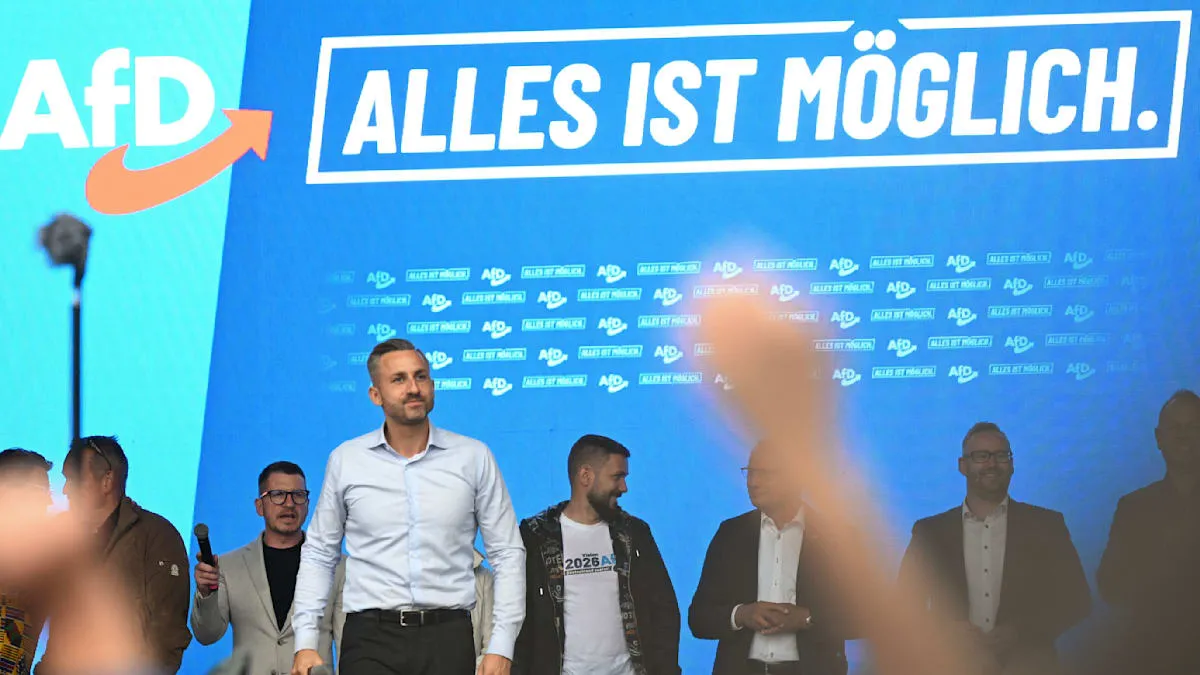
For instance, the Alternative for Germany (AfD) party consistently criticizes the federal budget and Germany's contributions to the EU. They frequently call for greater efficiency and transparency. Similar debates have emerged with threats of budget lawsuits, as highlighted in news such as AfD Rocks Berlin: Threat of Budget Lawsuit for 2027 Triggers Constitutional Crisis? and AfD Threatens to Sue German Budget 2027, Claims 'Unreasonable Waste', illustrating tensions surrounding public expenditure.
Nevertheless, much of the German political spectrum continues to view these contributions as a vital investment for a stable and prosperous European future, which ultimately also benefits Germany itself. EU stability is seen as a prerequisite for Germany's prosperity and security.
The EU's reliance on Germany's financial contributions also raises questions about sustainability and diversification of funding sources in the future, particularly if there are economic fluctuations in Germany or significant political changes within the bloc.
Editorial Insight:
Germany's massive net contribution figure re-establishes its position as Europe's economic locomotive, while simultaneously highlighting structural imbalances in EU funding. This situation potentially presents a double-edged sword; on one hand, it strengthens Germany's bargaining power, but on the other, it could ignite anti-EU sentiment among certain domestic factions, pushing the German government to be more transparent and efficient in future EU budget negotiations. These dynamics will remain relevant as the EU potentially expands and funding needs continue to grow.