 Dorry Archiles
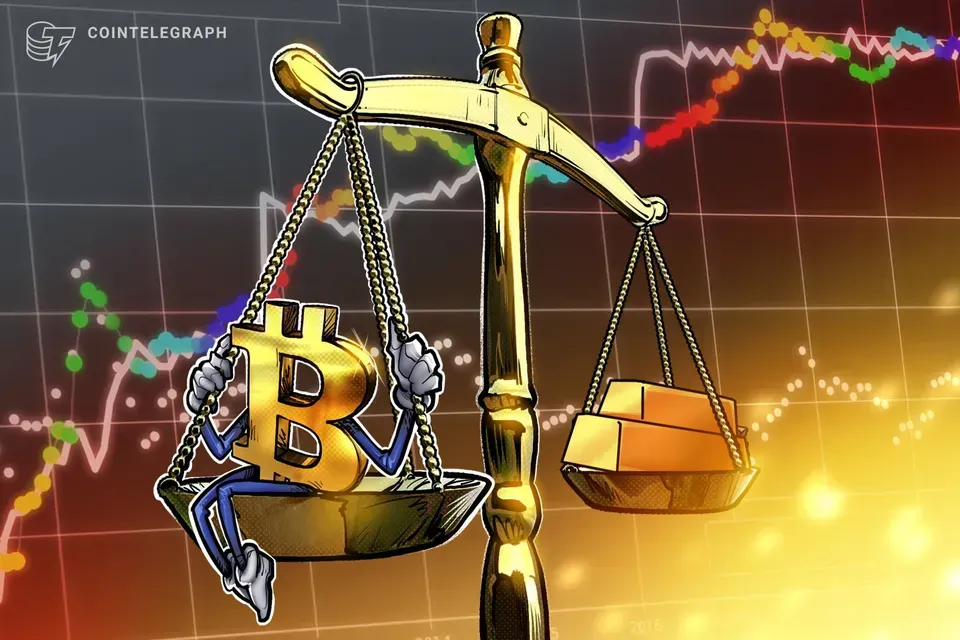
GLOBAL – Global financial markets are experiencing significant turbulence. Bitcoin's price has fallen back below the crucial $60,000 level, delivering a substantial blow to the digital asset. This coincides with gold also recording its worst 60-day loss since the 1980s, plummeting by nearly 25 percent from its peak. This situation raises widespread concerns among investors regarding global market stability in 2026.
Bitcoin's decline follows a period of volatile consolidation. The largest cryptocurrency by market capitalization failed to maintain the important psychological and technical support at $60,000. Market analysts cite massive selling pressure and unfavorable macroeconomic sentiment as primary triggers. These sharp fluctuations remind market participants of the inherent volatility of digital assets.
Meanwhile, gold, traditionally considered a 'safe haven' asset during times of uncertainty, is paradoxically showing alarming performance. The precious metal is struggling to rebound after experiencing a sustained period of decline that wiped out nearly a quarter of its value in two months. This drastic loss has not been witnessed in four decades, raising significant questions about gold's role as an inflation hedge.
The unusual correlation between the declines of both Bitcoin and gold has surprised many market observers. Typically, when one asset exhibits extreme volatility, the other tends to move as a counterbalance. However, this phenomenon, where both assets move downwards in unison, indicates a larger, systemic driving factor affecting the overall market.
Several economists highlight the impact of tightening global monetary policies, persistent inflation, and geopolitical uncertainties as key contributors. Global investors tend to withdraw funds from assets perceived as risky or those that do not offer attractive returns under high-interest rate conditions.
The simultaneous decline of Bitcoin and gold signals that markets are facing deeper fundamental challenges, stated a senior financial analyst from a prominent investment bank in New York. This is not merely a regular market correction but a reflection of a more complex shifting investment landscape.
The implications of these price movements could ripple across various economic sectors. Both retail and institutional investors holding significant amounts of Bitcoin or gold may face liquidity pressures. Market confidence in both traditional and modern assets is being tested, which could influence long-term investment decisions.
In the context of digital asset markets, despite US regulators having previously approved crypto as an exchange reserve, signaling official recognition, volatility remains a major challenge. Further reading on this can be found in a related article: US Regulators Endorse Crypto as Exchange Reserve: A Signal of Official Recognition?.
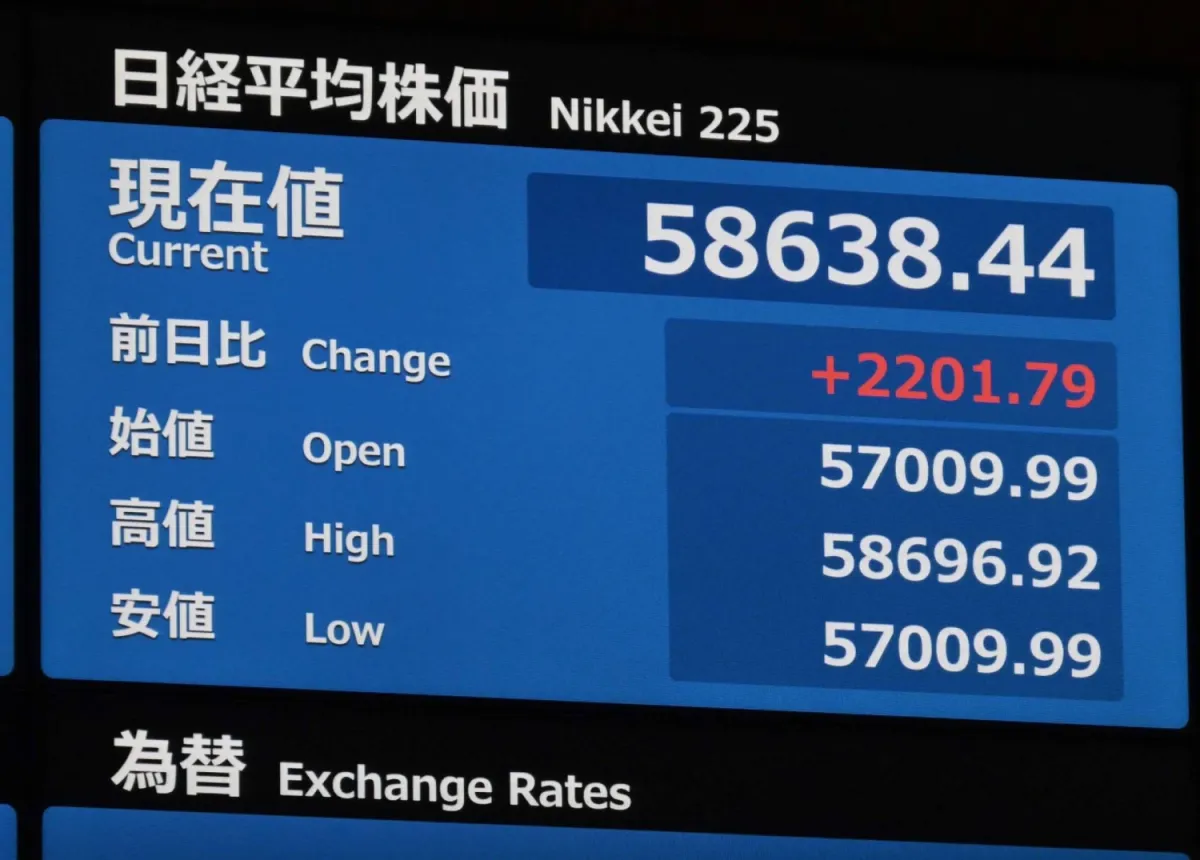
The global economic situation in 2026 indeed presents various dynamics. Uncertainties in Europe due to trade agreements, such as those involving the EU-Mercosur bloc, or the potential for economic growth from Japanese bonds, are also interconnected factors. Readers can explore more in the following related articles: EU-Mercosur Trade Deal: Global Economic Future 2026 on the Brink of Uncertainty and Japanese Bonds Surge, Tokyo Stock Exchange Jumps: Strong Signal for 2026 Economy?.
Investors now face a dilemma: is this a moment to 'buy the dip', or does it signify potential for further declines? Prudent investment decisions are paramount amidst such uncertain market conditions.
Editorial Insight:
The simultaneous market turmoil affecting Bitcoin and gold in 2026 highlights the complexity and uncertainty within the global financial landscape. This is not merely a typical price correction, but an indication of fundamental shifts in risk perception and asset valuation. For regulators, it is a call to re-evaluate financial stability frameworks. For investors, it is a crucial reminder of the importance of diversification and a reassessment of their investment strategies, moving beyond sole reliance on assets perceived as 'safe' or 'innovative'.