 Chandra Wijayanto

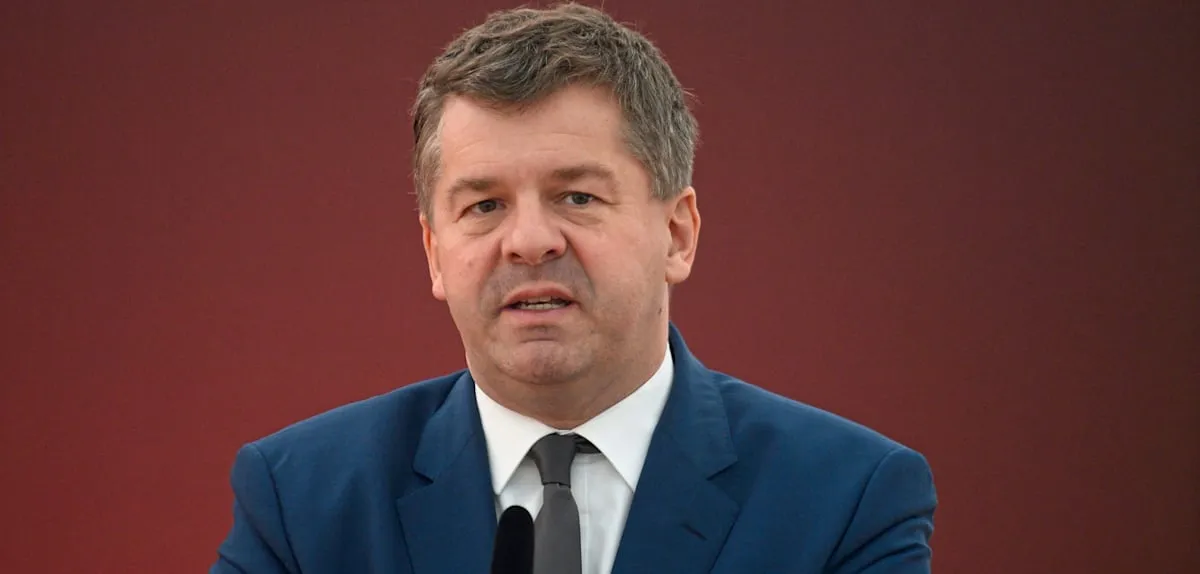
BERLIN – Germany faces a serious threat from organized disinformation campaigns, Interior Minister Alexander Dobrindt revealed in 2026. The warning specifically highlights systematic efforts to manipulate public opinion, especially among Generation Z, regarding sensitive issues such as the conflict in Ukraine.
Dobrindt, in a press statement in the capital, affirmed that Germany has become an easy target for actors seeking to damage social cohesion and political stability. He pointed to a pattern of false narratives deliberately spread through various digital channels and social media.
The targeting of Generation Z is of particular concern. This demographic group, known for its activity on online platforms, is vulnerable to emotionally presented content, often without in-depth verification. This creates a loophole for propaganda to infiltrate and shape perceptions.
The Ukraine issue is cited as one of the main focuses of the disinformation campaigns. Narratives circulating often distort facts about the invasion and Germany's support for Kyiv, aiming to erode domestic and international backing for Berlin's foreign policy.
Minister Dobrindt emphasized that the primary goal of these campaigns is not merely to spread lies, but to foster division, incite polarization, and weaken public trust in government institutions and mainstream media. This constitutes a direct attack on the foundations of German democracy.
The German government, through the interior ministry and cybersecurity agencies, has heightened vigilance. Various strategies are being developed to identify sources of disinformation and counter its spread, including digital literacy education for the public.
Such threats are not new. Various European countries also face waves of cyberattacks and disinformation. For instance, the digital bomb threat incident that shook thousands of schools in Italy in 2026 demonstrates how vulnerable digital spaces are to dangerous manipulation. Digital Bomb Terror Shakes Thousands of Italian Schools, PM Meloni Holds Emergency Meeting 2026.
International political analysts link this wave of disinformation to broader geopolitical tensions, especially amid the escalation of conflict in Eastern Europe. Some parties suspect the involvement of foreign state actors attempting to destabilize the region.
History shows that propaganda and disinformation campaigns have always been part of conflicts and political rivalries. However, with the advancement of digital technology, the scale and speed of their dissemination are now far more massive and harder to control.
The importance of media literacy is becoming crucial. The public, especially young generations, is encouraged to always be skeptical of information received, verify sources, and not easily be provoked by sensational or unsubstantiated content.
Dobrindt calls for cross-sector cooperation, from government, educational institutions, to social media platforms, to collectively stem the tide of disinformation. He stresses that this is a collective fight to maintain the integrity of information and public space.
Editorial Insight: Minister Dobrindt's warning must be taken seriously. Disinformation campaigns targeting Generation Z and the Ukraine issue not only undermine public narratives but also have the potential to erode trust in institutions and divide society. Success in combating this threat will heavily depend on the government's ability to adapt, invest in cybersecurity, and most importantly, empower citizens with critical thinking skills to distinguish fact from fiction. This is not merely a national security issue, but a fundamental challenge to the resilience of democracy in the digital age.