 Gabriella
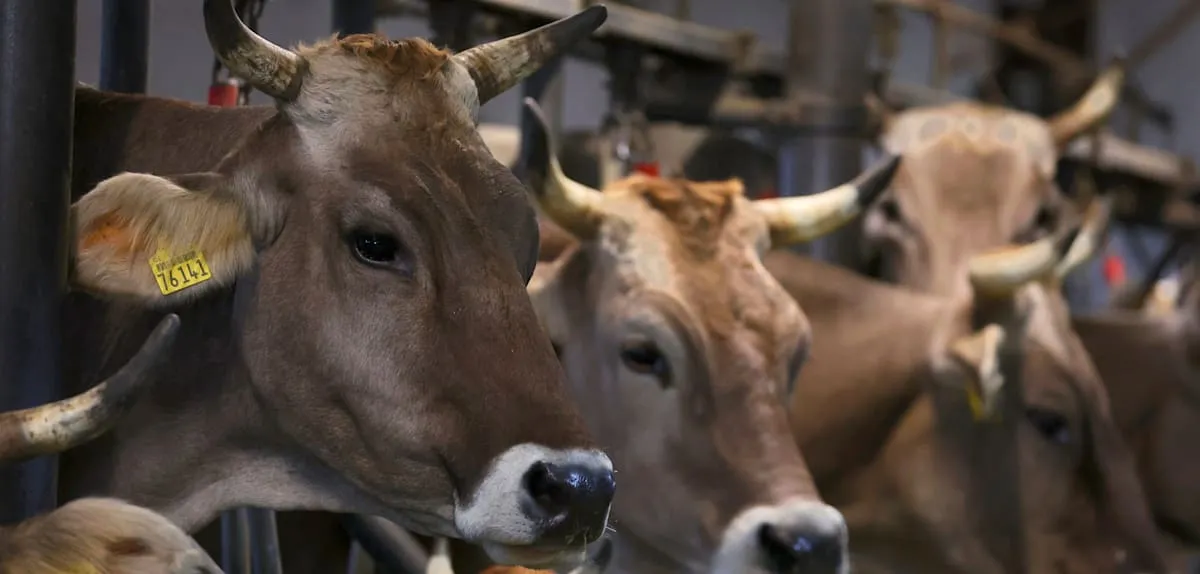
AURICH – A significant animal welfare policy is set to reshape the livestock sector in the German districts of Kreis Aurich and Emden, with the implementation of a total ban on cattle tethering (Rinderanbindung). Effective July 8, 2026, this new regulation mandates all livestock owners in both districts to promptly adjust their cattle husbandry methods, sparking intensive discussions on its impact on local traditions and economy.
The ban specifically targets the "Rinderanbindung" system, which involves permanently tying cattle in stalls—a practice often criticized for restricting animal movement. Local authorities have set clear deadlines for farmers to transition to more free-range systems, such as group housing or pasture grazing.
This progressive measure stems from a growing global awareness of animal welfare's importance, aligning with evolving European Union standards. Animal rights activists have long expressed concerns over the conditions of permanently tethered cattle, claiming it can lead to stress, health problems, and inhibit natural bovine behavior.
For many farmers in Aurich and Emden, this policy presents a considerable challenge. The practice of tethering cattle has been an integral part of their agricultural tradition for decades, especially in small-scale farms that may lack the resources for barn renovations or infrastructure changes.
The implementation schedule for this regulation has been carefully determined. Local government, in collaboration with farmer associations, has communicated the deadlines and support options available to affected farmers. These definitive deadlines underscore the urgency of adaptation to ensure regulatory compliance.
"This change is not without cost, but we understand that the future of farming must align with better animal welfare ethics," stated a representative from a local farmer association, who wished to remain anonymous, during an interview in Aurich. The statement reflects the dilemma facing the farming community.
Economic impact is a primary concern. Initial estimates suggest that renovating existing barns or constructing new facilities could incur significant costs. The government is expected to provide subsidy schemes or financial aid to alleviate the financial burden on farmers, particularly those with limited capital.
Germany, as a leading European economy, frequently spearheads high environmental and ethical standards. This policy follows similar trends in several other EU member states that are also striving to enhance livestock welfare standards. Internal regulatory issues also surfaced during debates over Sunday store opening hours in 2026, indicating a dynamic legislative landscape.
Ultimately, this ban on cattle tethering is expected to improve animal quality of life and strengthen the image of German agricultural products in the global market. Modern consumers increasingly demand transparency in food origin and ethical production, making this step a long-term investment.
This transformation marks a new chapter for the livestock sector in Aurich and Emden, fostering innovation and adaptation to achieve a balance between production efficiency and sustainable animal welfare principles. Farmers are now racing against time to meet the new standards by 2026.