 Edward DP Situmorang
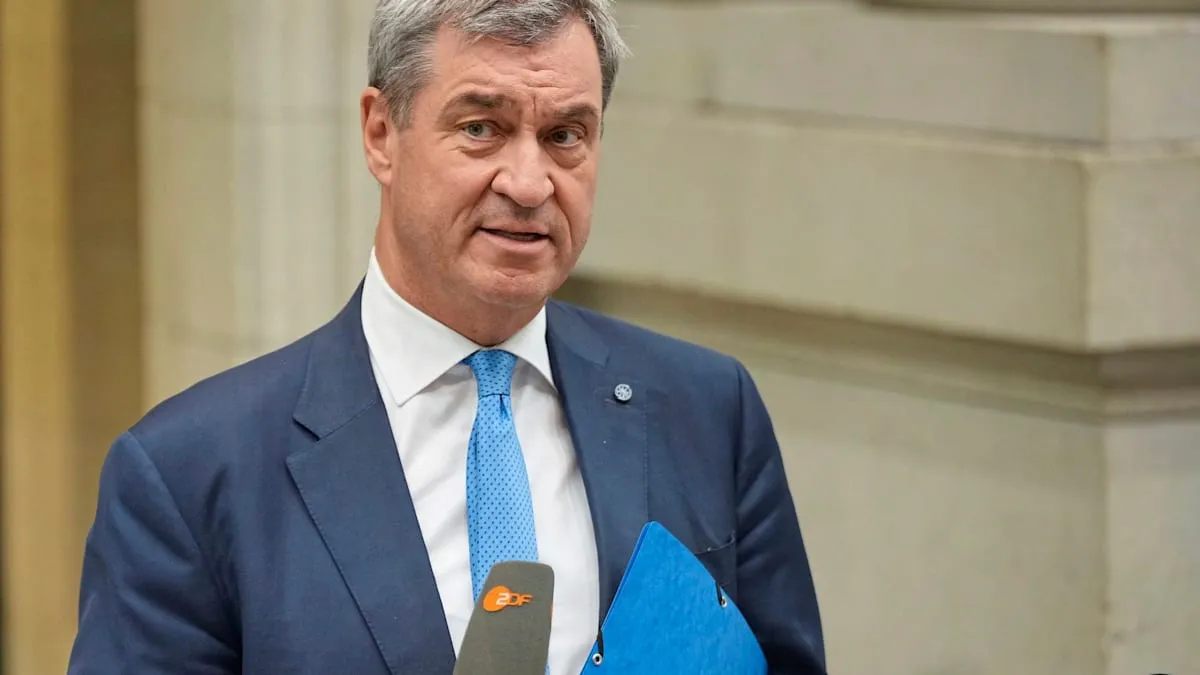
BERLIN — Political turmoil in Germany escalated in 2026 after the Thuringian branch of the Christian Social Union (CSU) surprisingly proposed a partial ban on the Alternative for Germany (AfD) party and the revocation of Björn Höcke's passive right to vote, one of its prominent leaders. This radical idea immediately sparked a fierce debate across the national political spectrum, with Bavarian Prime Minister Markus Söder warning of 'constitutionally extraordinarily difficult' potential hurdles.
The proposal, put forward by the CSU faction in the state of Thuringia, indicates growing concern over the AfD's political trajectory. This right-wing populist party, which continues to perform strongly in various regional polls, is viewed by some as a serious threat to Germany's liberal democratic values.
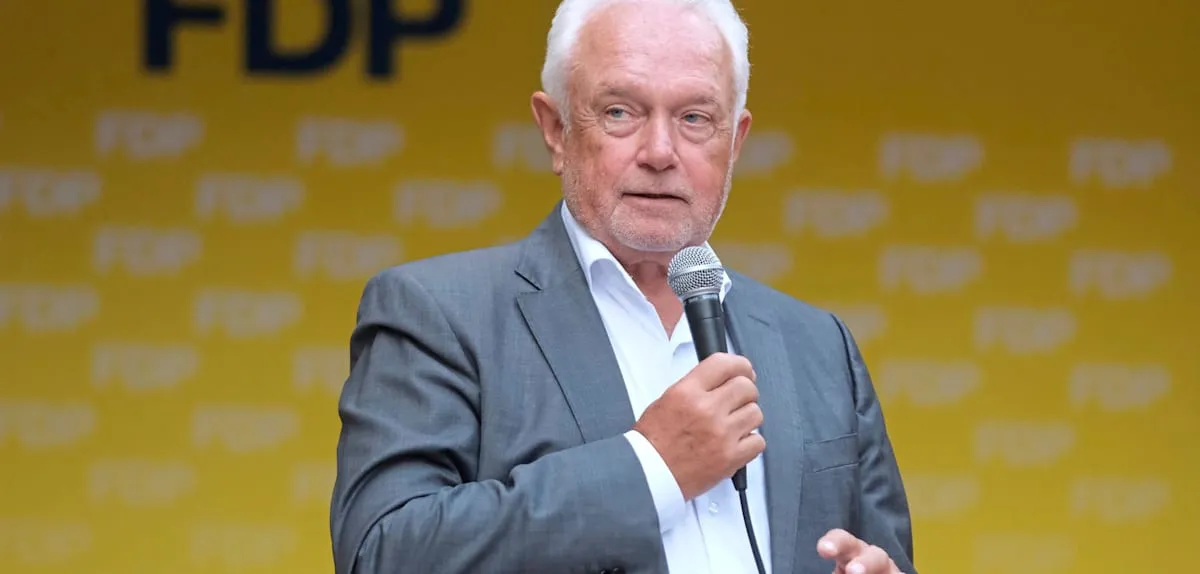
The revocation of Björn Höcke's passive right to vote is one of the most controversial points of this initiative. Passive voting rights refer to a person's right to be elected in general elections, and its withdrawal would effectively bar him from public office. Höcke, a figure with significant influence in the AfD, has long been a target of criticism for his rhetoric and positions often deemed extremist.
Markus Söder, an influential figure within the national CSU, did not hesitate to voice his profound skepticism. His statement that it is 'constitutionally extraordinarily difficult' refers to the fundamental principles of German law guaranteeing freedom of political organization, albeit with limits to protect the democratic order.
Various critics, including legal experts and political observers, echoed Söder's sentiments. They warned that any attempt to ban a party or revoke an individual's political rights requires a very strong legal basis and a strict evidentiary process. The risk of setting a damaging precedent and potential political backlash is considered very high.
The German Basic Law (Grundgesetz) provides strong protection for political parties. Article 21 specifically stipulates that a party can only be banned if, by its aims or the behavior of its members, it seeks to impair or abolish the free democratic basic order, or to endanger the existence of the Federal Republic of Germany. This process must go through the Federal Constitutional Court.
Germany has a long history of confronting political extremism, and party bans are not unprecedented. Previously, only two parties have been banned post-World War II: the Socialist Reich Party (SRP) in 1952 and the Communist Party of Germany (KPD) in 1956. These processes were time-consuming and involved deep legal analysis.
Should this proposal gain momentum, its political implications would be massive. It could potentially consolidate the AfD's marginalized support base, even boosting its popularity among some voters who might view it as a victim of political persecution by the 'established elite'.
The AfD itself is expected to vehemently reject any accusations and denounce these efforts as politically motivated attempts to silence the opposition. They will likely use this platform to garner sympathy and support.
The final decision regarding a party ban rests with the Federal Constitutional Court after being brought forward by the federal government, the Bundestag, or the Bundesrat. An initiative from a state faction like the Thuringian CSU can only serve as an initial impetus, not a final decision.
Recent polls indicate that while a majority of Germans oppose extremism, views on party bans are often divided. Many believe that democracy should confront ideological challenges through debate and elections, not proscription.
This situation also draws attention on the European stage, given the wave of populism and right-wing parties growing in various EU member states. How Germany addresses the AfD challenge could become an important case study for other nations.
The future of the Thuringian CSU's proposal remains uncertain. What is clear is that the debate surrounding the AfD, Björn Höcke's voting rights, and the constitutional limits of political power will continue to dominate Germany's public agenda throughout 2026. This is a serious test for the resilience of German democracy.