 Debby Wijaya
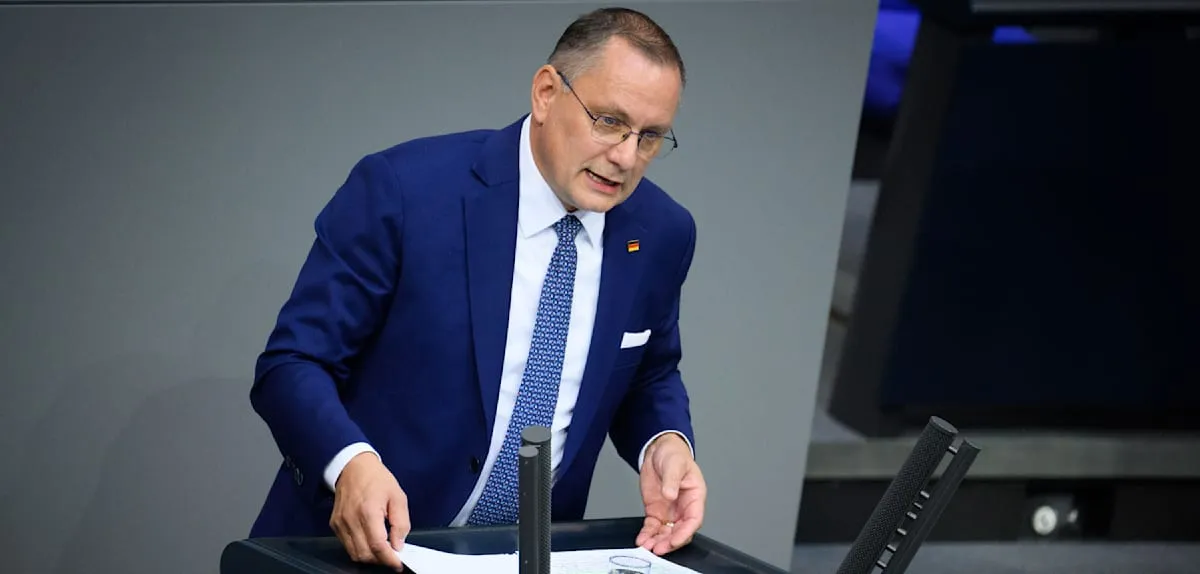
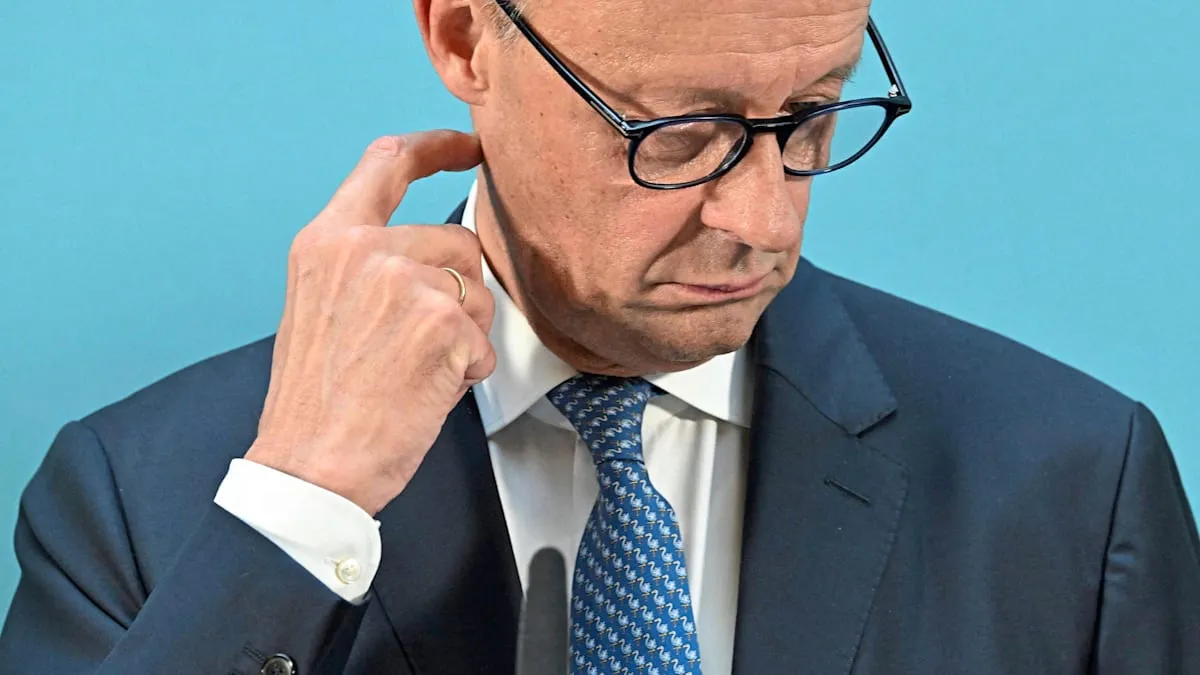
BERLIN — A tense atmosphere enveloped the German Parliament today, as Chancellor Friedrich Merz delivered his optimistic government declaration, only to be met with sharp criticism and personal attacks from the opposition. The peak of tension occurred when AfD Deputy Leader, Tino Chrupalla, provocatively questioned, “Where do you actually live?”, sparking a fierce debate about the direction of the nation's reforms in 2026. This incident, also marked by Merz shifting his seat while a critic from the Left Party spoke, underscored the deepening divide in Germany's political landscape.
Chancellor Merz's government declaration aimed to inject new vigor and optimism amidst the economic and social challenges facing Germany. Merz outlined his cabinet's vision for structural reforms, increased investment, and strengthening Germany's position on the global stage. His speech highlighted the necessity of adapting to changing times, especially in facing global labor market dynamics and energy transition.
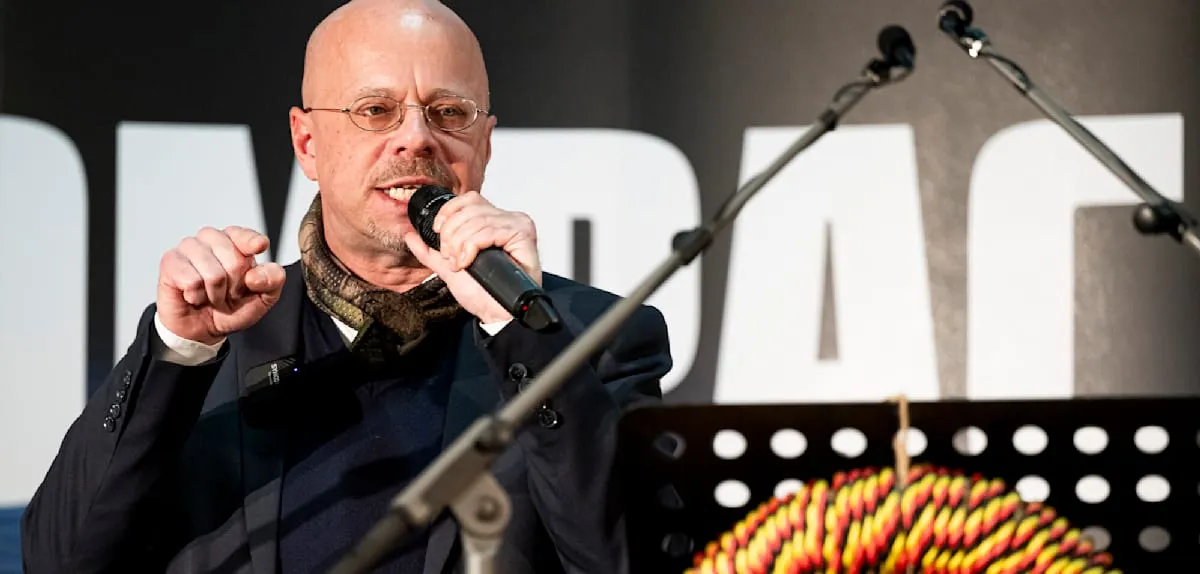
However, Merz's hopes for cross-party support quickly faded. The Alternative for Germany (AfD) party, through Tino Chrupalla, led a comprehensive counter-attack. Chrupalla not only criticized the substance of the policies but also posed a pointed rhetorical question, implying that Merz and his cabinet were disconnected from the reality of ordinary people's lives. The question immediately created waves of reaction both inside and outside Parliament.
This debate was more than just a regular exchange of arguments. It reflected a broader public anxiety regarding the impact of the proposed reforms, particularly those affecting vital sectors such as industry. Some analysts believe that the threat of massive layoffs in the German automotive industry, as once experienced by Volkswagen, has created a climate of uncertainty exploited by the opposition.
Other parties, including the Greens and the Left Party, also voiced strong criticism. They argued that the reforms rolled out by the government were not ambitious enough in tackling the climate crisis or could potentially widen social inequality. This criticism highlights the complexity of achieving political consensus in an increasingly fragmented Germany.
Political observer from the University of Berlin, Dr. Anja Weber, stated, "Merz's gesture of shifting from his seat while listening to the opposition's speech can be interpreted as a form of discomfort or rejection, although it could just be a personal gesture. However, in the parliamentary context, every movement, no matter how small, can be politically interpreted." This gesture became an additional highlight amid the heated debate.
The AfD, continually striving to solidify its position as the main opposition force, used this moment to garner sympathy from marginalized voters. With the strengthening of left-wing coalitions in some regions, political competition in Germany is becoming tougher, making every parliamentary debate a crucial battleground for narratives.
The Merz government now faces the arduous task of convincing the public that the proposed reforms are the best path for Germany's future. Constructive dialogue with the opposition is essential, but today's tensions indicate that this process will not be easy. Germany's political forces are divided on fundamental views on how to tackle the challenges of this decade.
Chrupalla's call to re-evaluate the government's policy direction echoed the sentiment of populism that has grown in various parts of Europe. The question about the Chancellor's place of residence, though rhetorical, touches upon issues of representation and the relevance of the political elite to the lives of the populace.
This debate, broadcast live and followed by millions of German citizens, is not merely a rhetorical spectacle. It is a vital indicator of the health of German democracy in 2026, as well as a barometer for the stability and policy direction of Europe's largest economy. How the Merz government responds to this scathing criticism will determine the effectiveness of future reform implementation.