 Edward DP Situmorang
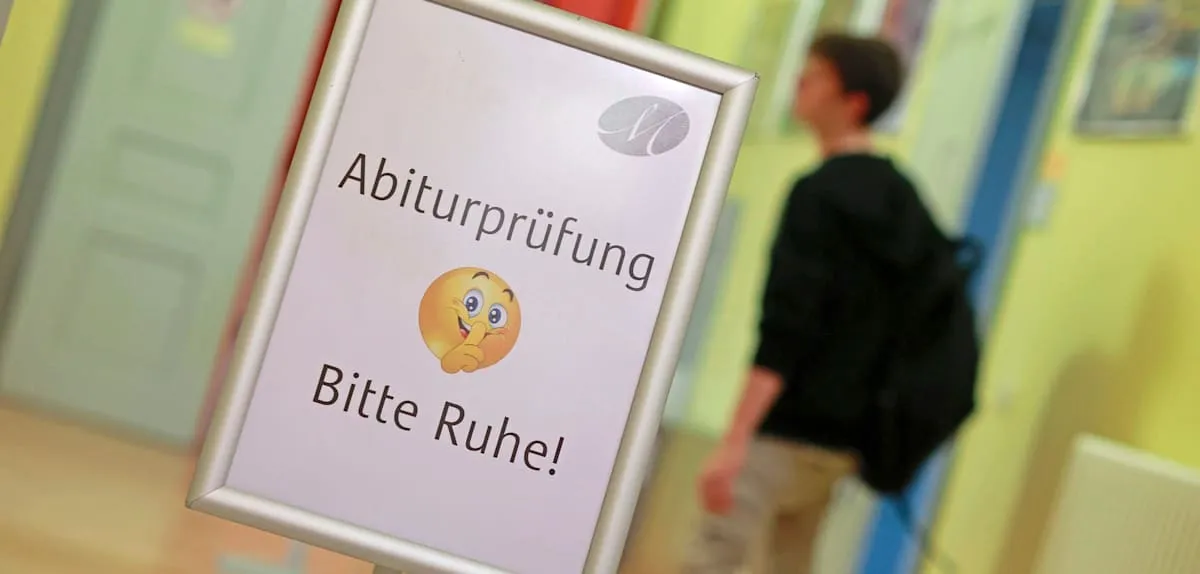
HAGENOW — A wave of disappointment swept through Gymnasium Hagenow, Germany, following the staggering 2026 Abitur exam results. Thirty-four percent of students failed, prompting a fierce reaction from one Abitur student. After her vocal speech went viral, the student is now escalating her accusations against the school's internal practices.
The incident began during the graduation ceremony, where the unnamed student delivered an emotionally charged speech. It not only expressed frustration over the high failure rate but also openly voiced deep dissatisfaction with the teaching and support from the teachers.
The speech's resonance spread widely on social media and garnered significant public attention. Many, especially parents and education observers, began questioning the quality of education and the effectiveness of the evaluation system at Gymnasium Hagenow.
Not content with her initial speech, the student subsequently provided additional details regarding alleged unfair practices. She highlighted various aspects, from teaching methods deemed insufficiently interactive to a lack of individual attention to students' learning needs.
These claims have created significant turmoil within the school environment, raising serious questions about the institution's accountability. This situation is not merely an academic issue but also underscores the mental and psychological well-being of students experiencing immense pressure.
The alleged practices revealed include non-transparent grading and an unsupportive learning atmosphere, where students felt hesitant to voice their grievances. This exacerbates tensions among students, teachers, and school administration.
Regional education authorities in Mecklenburg-Vorpommern are expected to take swift action. A thorough investigation is necessary to clarify the validity of the accusations and ensure that educational standards are met and students' rights are protected.
This incident in Hagenow echoes global challenges in education systems, similar to what has occurred in France. Paris Shakes Up School System: Four-Day Week, 2026 Decision!, though different in context, demonstrates ongoing efforts to adapt education systems requiring regular evaluation.
This case also prompts a broader discussion on curriculum reform and teaching strategies across Germany. Is the current Abitur system sufficiently relevant to the needs of the 2026 youth generation? This question is now a central focus.
Educational experts suggest that schools should be more proactive in listening to input from students and parents. Open communication and effective feedback mechanisms are crucial for building a supportive and transparent learning environment.
The student parent committee in Hagenow has expressed full support for the student, urging the school administration to respond to the accusations seriously and transparently. They demand an independent audit of the examination process and teacher evaluations.
The school's reputation is inevitably at stake if these allegations prove true. Public trust in Gymnasium Hagenow could erode, affecting prospective students and parents considering enrollment in the future.
Amid calls for change, it is important for all stakeholders to collaborate in finding constructive solutions. Fundamental improvements are needed to prevent similar incidents in the future and ensure every student receives the best possible educational opportunities.
This situation reopens the debate on the role of teachers in shaping students' futures. More than just instructors, teachers are mentors who must be sensitive to students' emotional and academic needs, especially when facing the pressure of critical exams like Abitur.
Germany's education system, long known for its strictness and high standards, faces a moral and ethical test. The response from Gymnasium Hagenow and education authorities will set an important precedent for the future of education in the region.
The public awaits clarity and concrete steps from the school. The credibility of the educational institution is on the line, and the future of students depends on a fair and wise resolution to this issue.
This Hagenow Abitur case reflects that education systems must continuously adapt and innovate. It is not just about passing rates, but also about creating an environment that fosters the potential and well-being of every individual.
Moving forward, constructive dialogue is expected among students, teachers, school administration, and education authorities. The goal is to formulate more inclusive and responsive policies to the dynamic learning needs of students in the modern era.
This event affirms that the student voice is a vital component of the educational ecosystem. Ignoring it not only harms individuals but also jeopardizes the foundation of overall education quality.