 Stefani Rindus
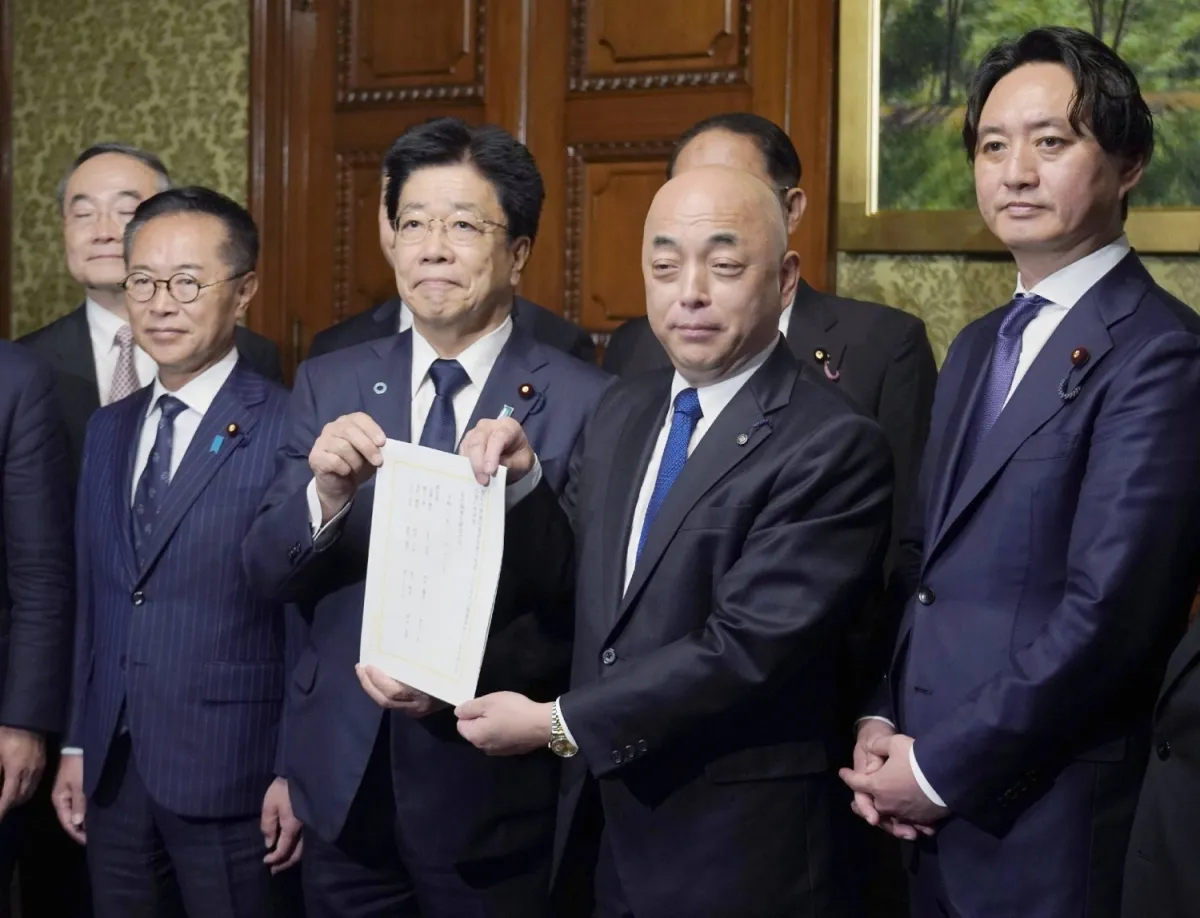
TOKYO – Political debate in Japan is currently peaking in parliament, with the majority of opposition parties uniting to launch strong resistance against a controversial bill proposing a reduction in the number of Lower House seats. This legislative move, initiated by the ruling bloc, has sparked serious concerns about democratic representation and the distribution of power in 2026.
The bill, whose details are still under discussion, has the potential to fundamentally alter Japan's political landscape. Reducing Lower House seats is not just about numbers, but also concerns the balance of regional representation, constituent votes, and the future strength of political parties.
Various opposition factions, including major parties and independents, have openly stated their rejection. They argue that this proposal could erode the democratic foundation and weaken minority voices in parliament.
A notable exception is the Democratic Party for the People (DPP), which has chosen not to join the opposing ranks. The DPP's stance has fueled speculation about possible behind-the-scenes negotiations or long-term strategic considerations differing from other opposition groups.
If this bill is passed, its impact will not only be felt in the number of parliament members but also in the legislative process and public policy formation. The strength of votes in the Lower House is crucial in determining the direction of government and national policies.
Opposition leaders highlight that cutting seats without thorough study risks creating representational distortion. They fear that certain regions will lose effective voice, widening the gap between parliament and the people. This becomes a crucial issue in the context of political stability.
On the other hand, proponents of the bill, generally from the ruling party, argue that this step is part of administrative reform and state budget efficiency efforts. They claim that parliamentary restructuring is necessary to face Japan's evolving economic and demographic challenges.
The issue immediately captured public attention, sparking debates in various forums. Citizens, through social media and opinion surveys, have expressed concern about the future of their political representation.
Structural parliamentary reform is not new in Japan's political history. However, the intensity of the current opposition indicates that the stakes are exceptionally high, differing from previous reforms.
With political tensions escalating, the Japanese parliament is preparing for sessions filled with intrigue and tough negotiations. Both opposition and ruling factions are expected to deploy all resources to win arguments and public support.
Some political analysts predict that this legislative battle could lead to political deadlock or even weaken the government's position if not handled wisely.
National and international media continue to monitor these developments closely, highlighting every political maneuver and its implications for regional stability.
Editorial Insight: This legislative battle in Japan is more than just a reduction in seat numbers; it is a test of democratic maturity and the capacity for political consensus amid modernization pressures. Transparency and constructive dialogue are key to preventing polarization that could harm public representation.