 Dodi Irawan
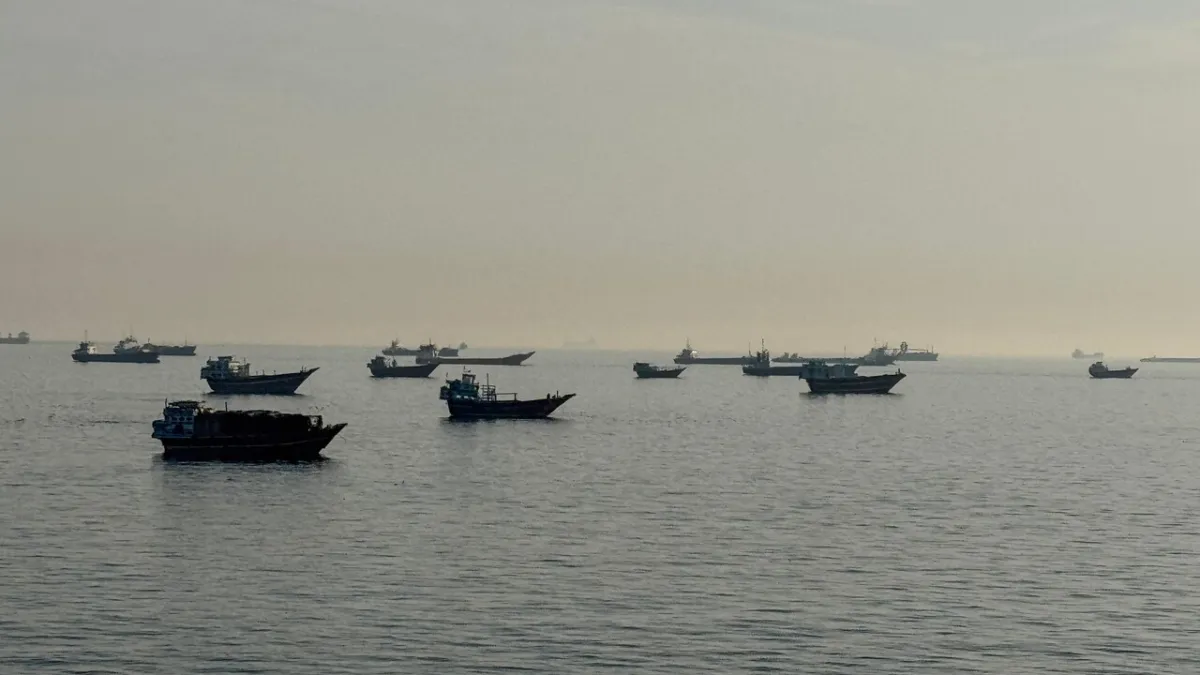
Tehran — Geopolitical tensions in the Persian Gulf region surged again in early 2026. Iran provocatively threatened to close the Strait of Hormuz, a vital maritime artery for global oil trade, asserting that this measure is more crucial than atomic bomb issues. In swift response, the United States launched retaliatory missile strikes, reportedly affecting Jordan, deepening the spiral of conflict in the Middle East.
Iran's threat against the Strait of Hormuz, voiced from Tehran, is not mere empty rhetoric. This strategic strait serves as a key choke point for approximately one-third of the world's seaborne oil supply. Statements from Iranian authorities describing the strait's closure as a top priority, even surpassing concerns about their nuclear program, indicate a shift in regional strategic focus.
The declaration immediately triggered a strong reaction from Washington. The Pentagon confirmed a series of precision missile strikes launched by United States forces. These strikes targeted military installations claimed by the US to be threatening infrastructure, following a series of prior provocations in Gulf waters.
Initial reports also indicated that Jordan was indirectly affected by these retaliatory strikes. Details regarding the incident in Jordan are still under investigation, but this news adds complexity to an already volatile security situation. The Jordanian government has not yet issued an official statement concerning the incident, though local media reports have begun to discuss its impact.
This latest escalation marks a continuing chapter in the series of confrontations between Iran and the US-led coalition in the Middle East. Geopolitical analysts underscore the potential for disruption to global energy market stability if the Strait of Hormuz is indeed blockaded. Crude oil prices are projected to surge dramatically, raising fears of a global economic recession.
In response to the simmering regional dynamics, several neighboring Gulf states are reportedly heightening military vigilance. Bahrain and the United Arab Emirates, which were previously targeted by missile attacks in 2026, as reported in the article Middle East Roils: Iranian Missiles Target UAE, Bahrain, Qatar; US Launches Counterattack, are now further strengthening their air defenses.
This crisis also tests international diplomacy. The UN and the European Union have called for immediate de-escalation, urging all parties to refrain from actions that could worsen the situation. However, with both sides maintaining rigid postures, the path to a peaceful resolution appears increasingly narrow.
A defense analyst from a prominent London think tank stated, "Iran's threat to close Hormuz is a desperate and highly dangerous move. It is their last US card to play to divert attention from internal and external pressures."
These events echo past Hormuz Unrest: Iran Blocks Crucial Route, US Retaliates with Missile Attacks, where similar tensions frequently occurred. However, this time, the intensity and broad scope of the incidents suggest a potential for more serious conflict, much like what was discussed in Wave of US-Iran Escalation Explodes: Middle East Reaches Boiling Point in 2026.
The United States, under the Washington administration, has affirmed its commitment to ensuring freedom of navigation in international waters. Any attempt to obstruct ship traffic in the Strait of Hormuz will be considered an act of hostility requiring a firm response.
The situation on the ground indicates a significant increase in military activity from both sides. Warships and reconnaissance aircraft are observed operating intensively around the Gulf region, creating a highly tense and uncertain atmosphere.
The international community now views developments in the Middle East with concern, advocating for a diplomatic solution to prevent a full-scale conflict that could have catastrophic global consequences. Major economic powers are urging a swift resolution to maintain stability in energy supply routes.