 Demian Sahputra
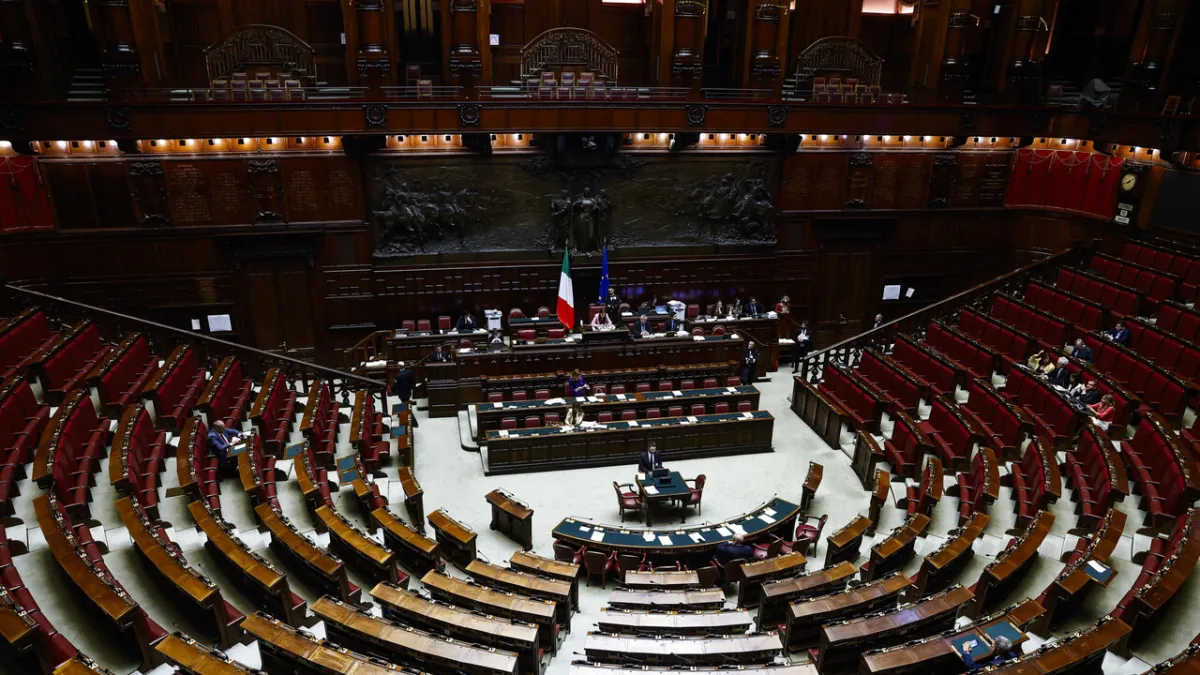
ROME – A fierce debate concerning the voting rights of Italian citizens residing outside their home regions, known as ‘fuori sede’, has reignited in Parliament in 2026. Initial consensus among majority parties has been thwarted by the complexity of discussing the preference system, triggering a potential legislative “battle” in the Chamber, while simultaneously postponing a major “campo largo” coalition event in Padua and prompting protests from +Europa at the Chamber of Deputies.
The issue of voting rights for fuori sede citizens has been a crucial concern in the Italian political landscape for years. These voters, who represent a significant demographic, often face administrative obstacles in casting their ballots. Although there is general agreement among the majority to expand their access, technical details, particularly regarding the mechanism for assigning preferences to candidates, have now become the primary point of contention.
“Nodi sulle preferenze” or the "knots on preferences", refers to provisions allowing voters not only to choose a party list but also to cast direct votes for specific candidates within that list. Parliamentary factions hold differing views on how this system should be implemented for fuori sede voters, ranging from the number of permissible preferences to fair counting methods.
This polarization is further evident with the planned postponement of the large “campo largo” coalition event in Padua. This event, intended as a platform for consolidating political strength and presenting a political vision, has been deferred, indicating that current political priorities have shifted to internal parliamentary affairs and the resolution of the pressing legislative deadlock.
Concurrently, the +Europa party, known for its advocacy of civil rights and institutional reform, announced it would hold a ‘vigil’ on the 14th at the Chamber of Deputies. This action aims to pressure Parliament to swiftly reach a transparent and inclusive agreement on fuori sede voting rights, simultaneously expressing disappointment over the slow pace of legislation.
Political observers in Rome believe this deadlock is not merely a technical matter but a reflection of power dynamics and each party's efforts to maximize electoral gains. The preference system can have a significant impact on the composition of parliament and the individual strength of candidates, making every detail a subject of intense negotiation.
The history of voting rights legislation in Italy records numerous reforms and prolonged debates. The fuori sede issue, for instance, has been discussed in several previous legislative periods, but has consistently faced similar challenges related to practical implementation and concerns about potential manipulation. 2026 was hoped to be a moment of finalization, yet reality remains far from expectations.
The stability of the governing coalition is also at stake. Failure to reach an agreement on such a crucial issue could erode public trust and expose cracks in solidarity among the majority supporting parties. This potentially opens avenues for the opposition to intensify their criticism and political strategies.
Nevertheless, pressure from various parties, including citizen advocacy groups and progressive parties like +Europa, will likely push Parliament to find common ground. A compromise, though not ideal for all parties, represents the most realistic path to avoid a deeper political crisis nearing the end of 2026.
The future of voting rights for Italian citizens residing outside their home regions now stands at a crossroads. Whether Parliament can formulate a fair and efficient policy, or if the "battle" of preferences will continue to haunt, remains a crucial question that will continue to be highlighted by the public and media until a final resolution is achieved.