 Chandra Wijayanto

ROME – The Italian government has introduced a controversial education policy poised to shake up social structures and draw global attention. Through a new executive decree, fines will be imposed on students wearing burqas in school environments, as well as on immigrant parents deemed not proficient in the Italian language. This measure is claimed to foster integration and ensure educational quality for all students.
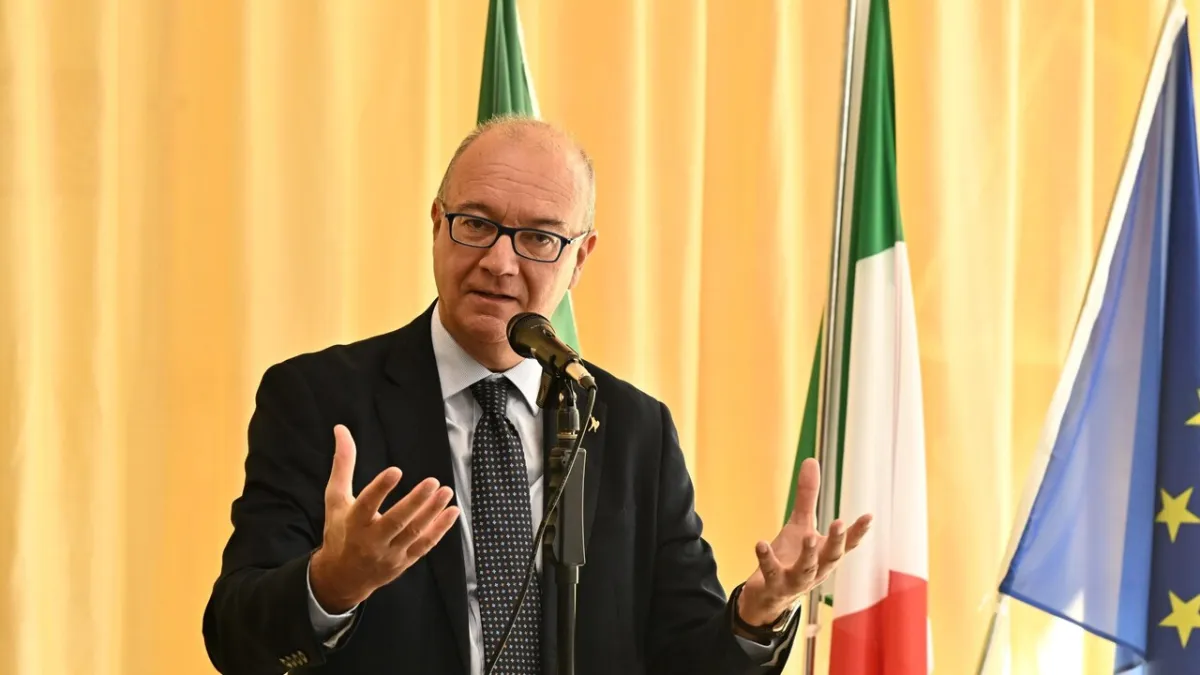
Education Minister, Giuseppe Valditara, is the main architect behind this initiative, which is currently in the final stages of executive decree finalization. This step is seen as a concrete effort to address the challenges of multicultural integration within Italy's national education system.
The prohibition of burqas in schools, according to Valditara, is based on reasons of security, clear identification, and the affirmation of secular values that are pillars of Italian public education. The school environment must be an open space where visual communication and social interaction occur without hindrance, Valditara stated, emphasizing the importance of transparency in interactions between individuals in educational institutions.
Meanwhile, the policy of fining parents who do not speak Italian serves a dual purpose: ensuring active parental participation in their children's education and facilitating effective communication with school authorities. The government argues that Italian language proficiency is essential for parents to understand the curriculum, support their children's learning at home, and interact directly with teachers.
Details regarding the amount of fines and the implementation mechanism are still under discussion but are expected to be announced in the coming weeks. The question remains: how will the school system identify parents who do not meet the language proficiency standards, and will there be supporting language programs provided?
This policy immediately drew a wave of criticism from various parties, particularly human rights groups and immigrant organizations. They condemned the policy as discriminatory, potentially violating religious freedom, and undermining the rights of minorities to maintain their cultural identity.
This is a step backward in integration efforts. Instead of embracing diversity, the government is creating new walls that marginalize some citizens, stated a spokesperson from an immigrant rights advocacy group, highlighting the potential for stigmatization of certain communities.
Concerns also arose from school principals and educators, who questioned the practical aspects of implementing this policy. They fear an increased administrative burden and the potential for creating an unsupportive environment for immigrant students and families.
Nevertheless, the policy has received strong support from conservative parties and a significant portion of the public who are concerned about the erosion of national identity. They argue that mastery of the official language and adherence to national cultural norms are prerequisites for harmonious and effective social cohesion.
Italy is not new to sensitive issues related to immigration and integration. The country's long history of immigration has often been marked by heated debates on how best to balance national identity with the demands of a multicultural society.
Globally, this policy reflects a broader trend in Europe, where several countries are also considering or have implemented similar restrictions on certain religious attire in public spaces or are demanding higher levels of language integration from new arrivals. This indicates the complex dynamics in the search for an appropriate integration model.
This new policy also resonates strongly with previous initiatives that promoted limits on foreign students in schools, indicating consistency in the Italian government's approach to education and integration. This approach clearly underscores the government's desire to shape a more homogeneous school identity.
The potential social consequences of this policy remain a subject of debate. Whether it will effectively encourage faster adaptation and integration, or instead lead to the isolation and marginalization of specific communities, remains to be seen.
Editorial Insight: This Italian education policy reflects the enduring tension between the push for cultural assimilation and the recognition of minority rights. While the intention to improve integration and educational quality is commendable, the chosen methods risk creating deeper polarization within society. The government should reconsider a more inclusive approach, perhaps focusing on substantial language support programs rather than penalties, to achieve integration goals without sacrificing social cohesion and individual human rights.