 Gabriella
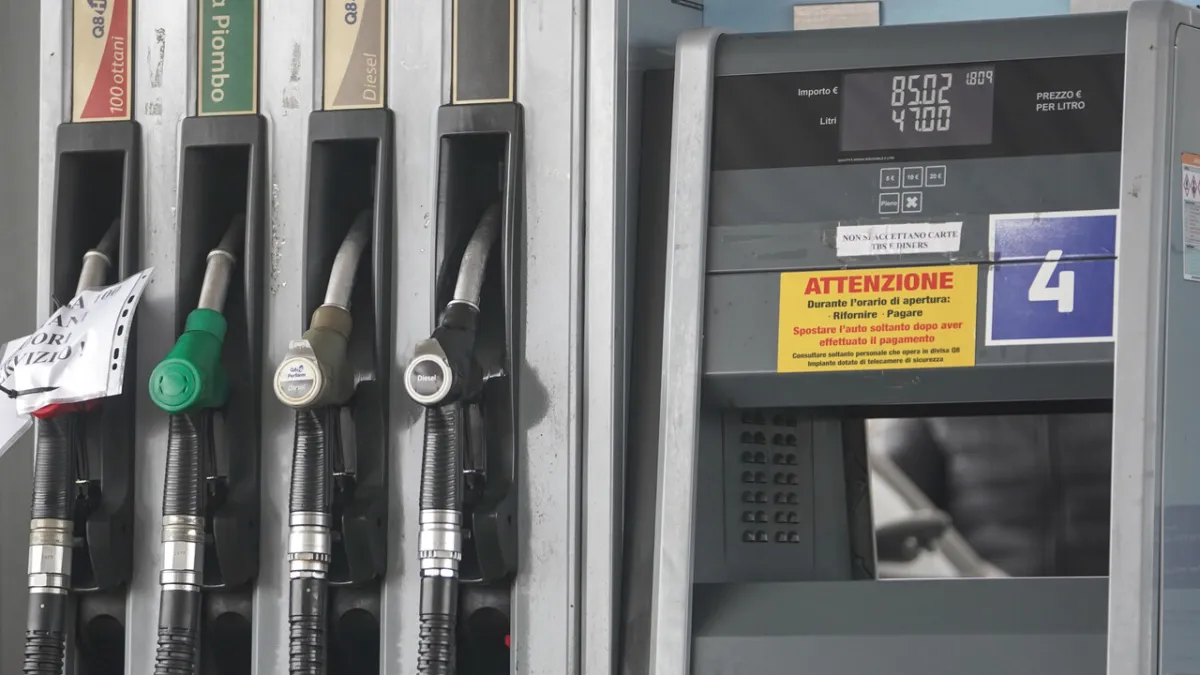
ROME — Diesel fuel prices in Italy have skyrocketed significantly in early 2026, reaching the threshold of 2.7 euro per liter in several regions, triggering profound concerns among the public and businesses. This situation has prompted Codacons, a leading consumer protection association, to call for urgent government intervention to curb the price surge that is deemed to burden the national economy. This drastic increase is expected to have a cascading effect on logistics, transportation costs, and ultimately, the inflation of essential goods.
The latest mapping released by Codacons reveals striking price disparities across various Italian regions, with some provinces recording historically high diesel prices. This increase is not merely a seasonal fluctuation but a continuous trend observed since the end of the previous year, exacerbated by global energy market dynamics and domestic fiscal policies.
Carlo Rienzi, President of Codacons, stated in an official announcement in Rome that this situation demands a rapid response. “The government must immediately intervene and reconsider the excise duty structure on fuel,” Rienzi asserted. He added that adjusting excise duties is the most realistic step to alleviate the burden on consumers without disrupting energy supply.
The surge in diesel prices has the potential to paralyze the transportation sector, from freight forwarding to public services. Logistics companies have indicated their readiness to raise tariffs to cover soaring operational costs, a move that will directly impact product prices on store shelves and diminish public purchasing power.
Current diesel prices are nearing the highest records ever seen in Italy, reminiscent of previous energy crisis periods. Economists warn that without effective mitigation measures, inflation could soar, worsening an economy already vulnerable post-pandemic and amidst global geopolitical uncertainties.
The Italian government faces a dilemma between the need to stabilize energy prices and its commitment to fiscal targets. Intervention in fuel excise duties, while popular with the public, could reduce vital state revenues needed for various development and welfare programs.
Regional disparities in diesel prices also create socioeconomic inequalities. Areas heavily reliant on road transport for goods supply or citizen mobility will feel a more severe impact compared to other regions, widening the gap in well-being between provinces.
Professor Giorgio Bianchi, an energy expert from the University of Milan, underscored the complexity of the issue. “The rise in diesel prices reflects a combination of internal and external factors, including geopolitical tensions and global crude oil price fluctuations,” he explained. He suggested long-term solutions encompassing energy diversification and fuel efficiency.
Previously, the government has on several occasions deferred tax collection, such as the program Italy Postpones Tax Collection! Notification-Free Throughout August 2026, to ease the burden on citizens. However, the issue of fuel prices requires a more specific and sustainable approach.
This energy crisis also has the potential to influence discussions surrounding Italy's Electoral Reform Nears: Critical Bill Advances to Senate, as economic issues often form the primary sentiment in voter preferences. The decisions made by the government now will critically determine the future political and economic direction of the country in 2026.
This situation in Italy is not an anomaly. Many European countries are also grappling with high energy prices, often influenced by conflicts in the Middle East and challenging global energy transition efforts.
The public and industry players await concrete responses from the Italian government. The policies to be implemented in the coming weeks will be crucial in determining whether Italy can avert a more severe energy crisis or instead plunge into prolonged economic turmoil in 2026.