 Stefani Rindus
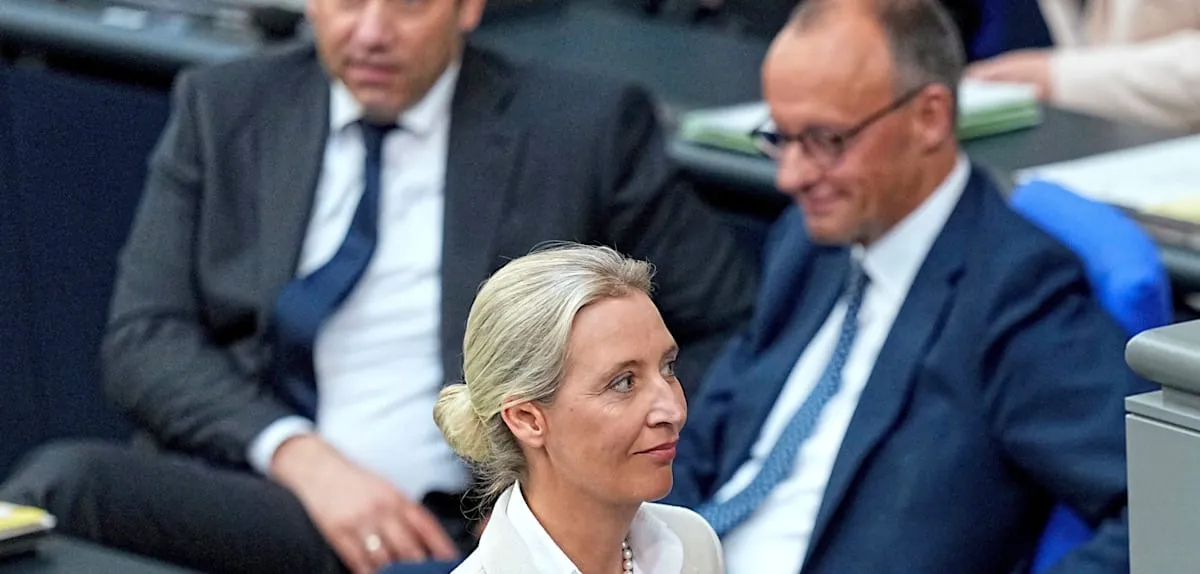
Berlin — The political landscape in Germany is once again in turmoil following the latest Insa-Sonntagsfrage poll results, which show the Alternative for Germany (AfD) party widening its lead over the conservative Union bloc (CDU/CSU). These results mark a significant setback for the ruling centrist parties and could potentially reshape power dynamics ahead of the next federal election in 2026.
The recently released survey indicates that the AfD has successfully re-established its lead, after it had briefly narrowed to six percentage points over the Union. This development signals a shift in voter sentiment that warrants serious attention from across the German political spectrum.
The Social Democratic Party (SPD) and the Green Party (Grüne), both part of the current governing coalition, are locked in a tight race for third place. This situation highlights the fragility of support for the ruling parties and the electoral uncertainty looming ahead.
A deeper analysis suggests that the decline in support for the “Schwarz-Rot” coalition – a term often referring to the conservative and social democratic alliance, or more broadly, mainstream parties – is becoming increasingly apparent. This raises questions about government stability and the future direction of the country's policies.
The rise of the AfD is not a new phenomenon, but the widening of this gap once again underscores the established parties' failure to address public concerns, particularly regarding immigration, the economy, and energy policy. Critics argue that the AfD's populist narrative is finding increasing resonance among the populace.
On the other side of the political spectrum, The Left Party (Die Linke) and Bündnis Sahra Wagenknecht (BSW) also show a downward trend in support. Both are losing their voter base, albeit for different reasons. BSW, as a new left-populist oriented party, has not yet been able to gain the expected momentum.
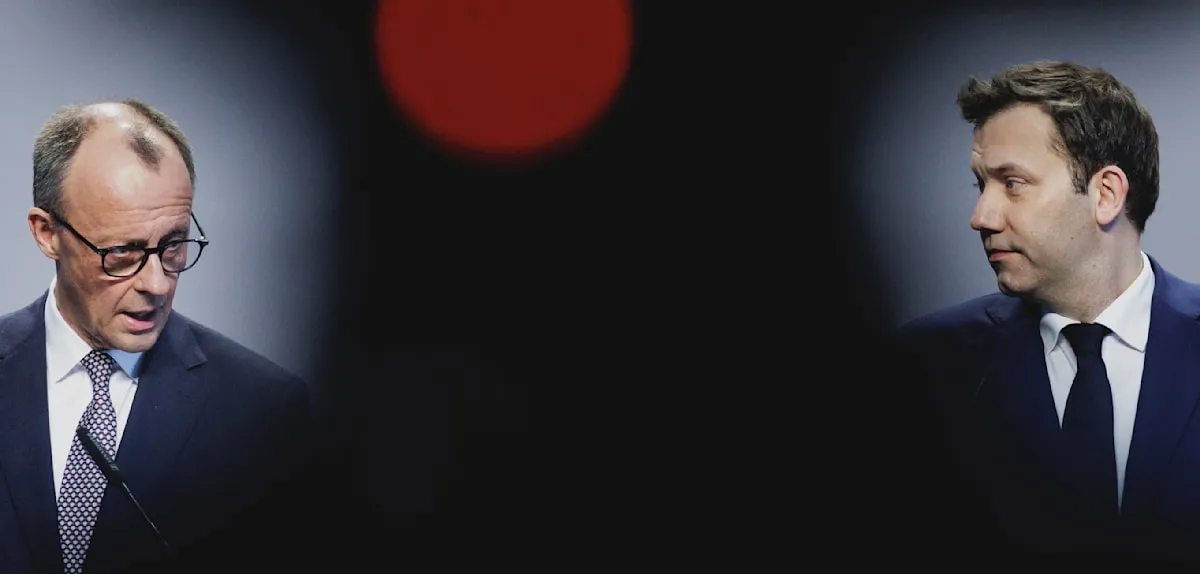
The decline in votes for the Union (CDU/CSU) deserves close scrutiny. This party, traditionally the backbone of German politics, seems to be struggling to maintain its appeal in the face of an increasingly fragmented electorate. Some observers link this condition to internal party issues, and even scandals. A previous article discussed 'The Fall of Jens Spahn: Surrogacy Scandal Rocks CDU Leadership' which may be one contributing factor.
The tight race between the SPD and the Greens for third place demonstrates the volatility of voter support in the center-left segment. These two parties, although in a coalition, have different ideological bases and are fiercely competing for progressive voters.
These Insa survey results are seen as an early warning for mainstream parties to formulate more effective strategies. Without significant changes, the AfD's dominance in opinion polls could have serious implications for the composition of the Bundestag after the 2026 election.
Political experts are beginning to project various coalition scenarios that may emerge in the future, given that no single party is absolutely dominant. Political polarization is becoming more evident, requiring party leaders to be more adaptable and responsive to public aspirations.
This potential shift in power also carries implications for Germany's foreign policy and its position in Europe. The AfD's often Euroskeptic policies could create tensions with European partners if the party gains greater influence in government.
The German public now awaits how political parties will respond to these survey findings. Will they engage in deep introspection or choose to ignore the warning signals from voters? The answer will greatly determine the future political direction of the country.