 Edward DP Situmorang
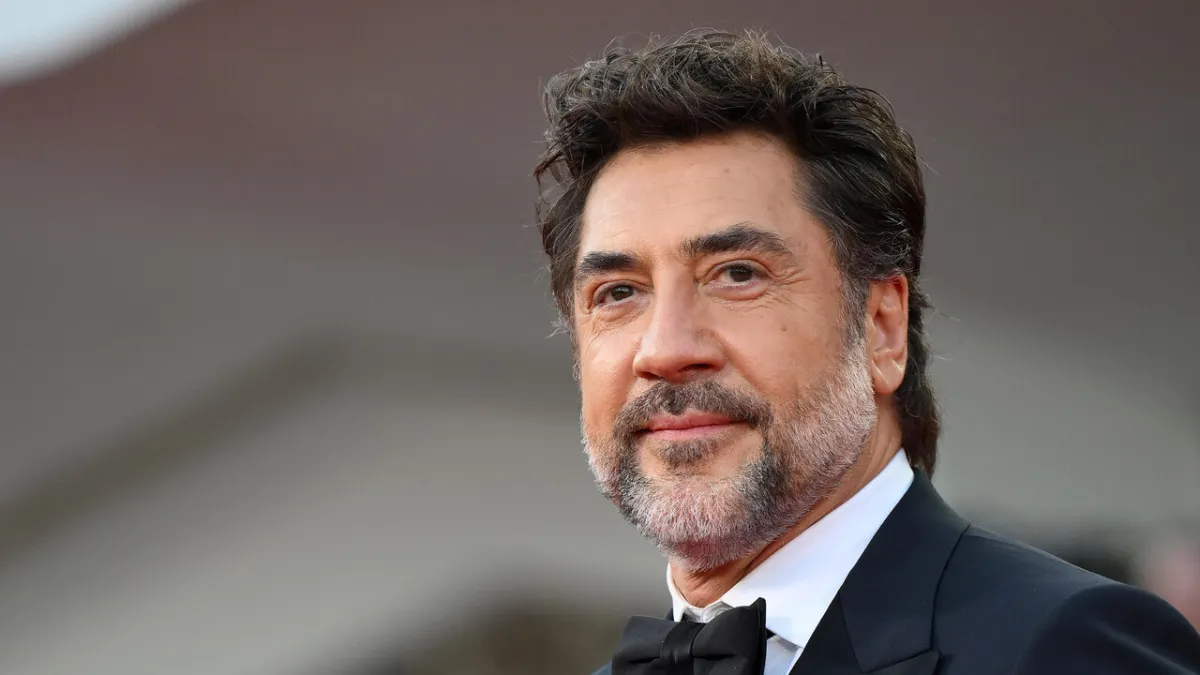
ROME – Oscar-winning actor Javier Bardem received the Lifetime Achievement Award at the 2026 Festa di Roma. In his acceptance speech, Bardem not only expressed gratitude but also ignited the stage with sharp remarks on cinema's role as a unifying force, alongside a stern warning about the consequences of citizens neglecting their responsibilities. His statement immediately sparked intense discussion among attendees and global political observers.
Bardem, known for his fearless political outspokenness, used this prestigious platform to emphasize cinema's magical power to unite humanity. 'Cinema has the power to unite us,' he stated, highlighting the visual art's capacity to transcend cultural and ideological boundaries, building bridges of understanding between individuals.
However, the atmosphere then grew serious as he connected cinema's role to civic responsibility. The Spanish actor asserted that the emergence of authoritarian figures is a direct result of citizens' negligence towards their duties. 'When we renounce our responsibilities as citizens, Mussolini, Hitler, Netanyahu arrive,' Bardem declared with a warning tone, citing names often associated with repressive regimes and political controversies.
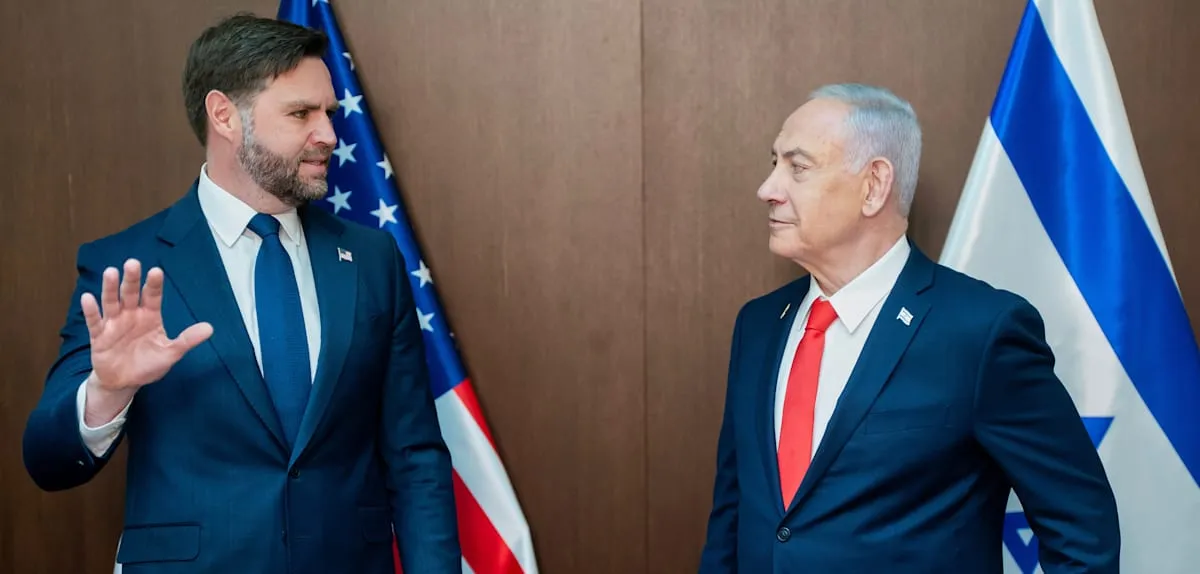
This statement instantly drew widespread attention, especially regarding the mention of Benjamin Netanyahu, the Israeli Prime Minister, indicating criticism of the current geopolitical situation. Such criticism is not new for Bardem, who throughout his career has often shown support for humanitarian issues and social justice.
Festa di Roma itself is an annual event that not only celebrates cinematic works but also frequently serves as a forum for artists to voice their opinions about the world. Bardem's award this year garnered attention not only for his brilliant acting achievements but also for his courage in bringing political discourse into the realm of art.
Bardem has consistently voiced support for Palestinian issues, a stance he has long held with his wife, Penelope Cruz. Therefore, the mention of Netanyahu in the context of a warning about potentially repressive leadership is not without basis. This reinforces his view that the conflict in the Middle East requires serious attention and collective responsibility.
Responses to this speech are expected to be varied. On one hand, many will appreciate Bardem's bravery in using his position to call for political awareness. On the other hand, some might consider it too political or even provocative for an art awards event. Nevertheless, it is undeniable that the speech achieved its goal: to provoke thought and debate.
This is not the first time a renowned artist has leveraged an international stage to criticize rulers or global policies. History records many actors and directors who have used their fame as megaphones for important issues. Bardem's actions reaffirm that art and politics are often inseparable.
Bardem's statement aligns with global discussions regarding the impact of political leadership on society, as well as the role of individuals in shaping the direction of nations. Issues such as attacks on diplomats in the West Bank and various controversial foreign policies are often subjects of debate. The brutal attack by settlers in the West Bank is a concrete example of how political tensions can affect individual safety and international relations.
This speech serves as a reminder that freedom of expression is a fundamental human right, and artistic platforms often serve as the most effective channels for articulating views that challenge the status quo. The immense influence of cinema makes it a powerful tool not only for entertainment but also for education and activism.
Editorial Insight: Javier Bardem's speech at Festa di Roma was not merely an award acceptance moment but a politically charged declaration. By directly linking the neglect of citizen responsibility to the rise of authoritarian figures, Bardem calls for deep reflection on public participation and the quality of global leadership. This statement reasserts that in the eyes of an artist of Bardem's caliber, art has a transcendent function beyond aesthetics, serving as a voice of conscience urging change and collective awareness of world political dynamics.