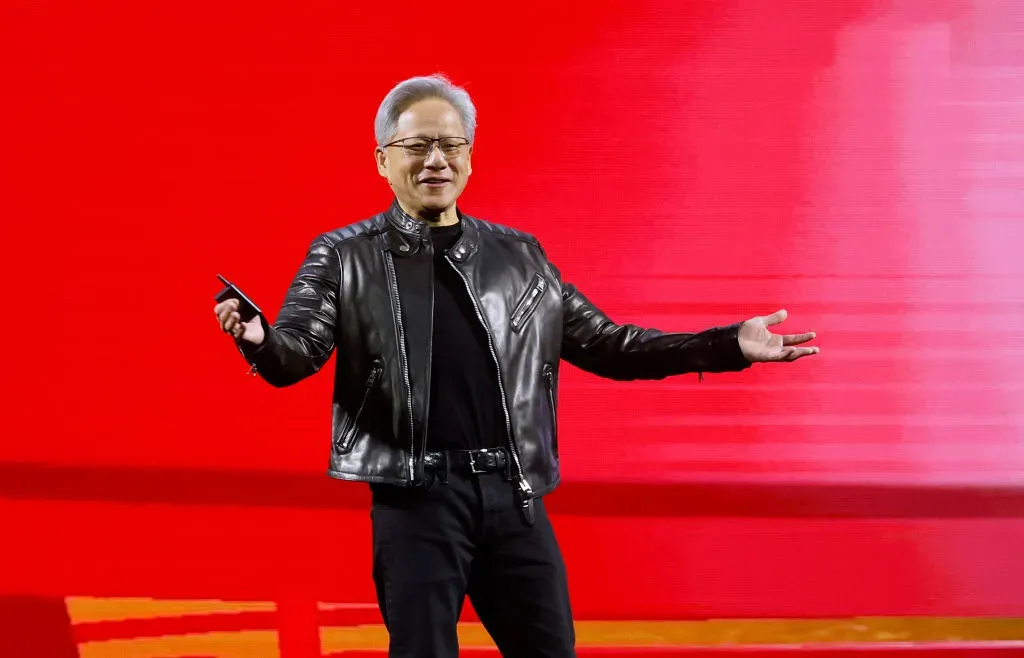
WASHINGTON – Jensen Huang has made a surprising return as Chief Executive Officer (CEO) of Nvidia in 2026, a strategic maneuver that immediately garnered full support from senior officials within the United States government. This decision sends a strong signal regarding Washingtons priority in maintaining artificial intelligence (AI) technology dominance on an increasingly competitive global stage.
Huangs return marks a significant reversal of course for the semiconductor giant. While details surrounding his previous departure were not widely publicized, his re-appointment is clearly no ordinary event. Industry analysts and geopolitical observers quickly highlighted the US government intervention as an indicator of Nvidias crucial role in Americas national security and economic agenda.
Nvidia, under Huangs visionary leadership for many years, has cemented its position as a pioneer in the development of graphics processing units (GPUs) that form the backbone of modern AI computing. Nvidia-made advanced chips not only power data centers and AI research but also serve as vital components in various applications, from autonomous vehicles to high-performance computing.
The direct involvement of the US government, according to sources close to the White House, stems from concerns over potential shifts in the global technology balance of power. Amid an escalating AI competition, particularly with China, Washington views Nvidias stable and innovative leadership as an indispensable strategic asset.
Jensen Huang, with his reputation as an innovative leader unafraid to take risks, is expected to accelerate Nvidias technological development and solidify its position at the forefront of AI innovation. His long-term vision for accelerated computing and the metaverse, now closely integrated with AI, provided strong reasons behind this decision.
This bold move can also be seen as part of a larger effort by President Donald Trumps administration to strengthen domestic technology supply chains and reduce reliance on foreign suppliers. With Huangs return, leadership stability at one of the most critical technology companies in the US is ensured, simultaneously sending a message of confidence to investors and global partners.
The market responded to this decision with cautious enthusiasm, given the long-term implications of government support. Nvidia shares are expected to experience volatility but with a strong upward trend, amid expectations of innovation boosts and potential large public sector contracts.
Huangs reappearance also has the potential to spark a new wave of innovation across the entire AI ecosystem. Other companies, from software developers to hardware manufacturers, will closely observe Nvidias strategic direction under Huangs control.
An example of increasingly massive AI integration can be seen in developments like Audi showcasing Microsoft 365 AI integration for seamless productivity. The demand for capable hardware to support such applications will only increase, and Nvidia is in a prime position to meet it.
Observers believe that Huangs return is not merely a change in leadership, but a reflection of a paradigm shift in viewing AI technology, from merely commercial innovation to a core pillar of national power in the modern era.
Editorial Insight: The strategic decision to reinstate Jensen Huang as Nvidia CEO, coupled with US government backing, underscores the critical nature of the global AI dominance race. This is not just about corporate profits, but about controlling the future of technology and its geopolitical implications. This move will likely strengthen the US position in the technology competition but could also trigger similar responses from rival nations, escalating tensions within the semiconductor and AI industries overall.