 Demian Sahputra
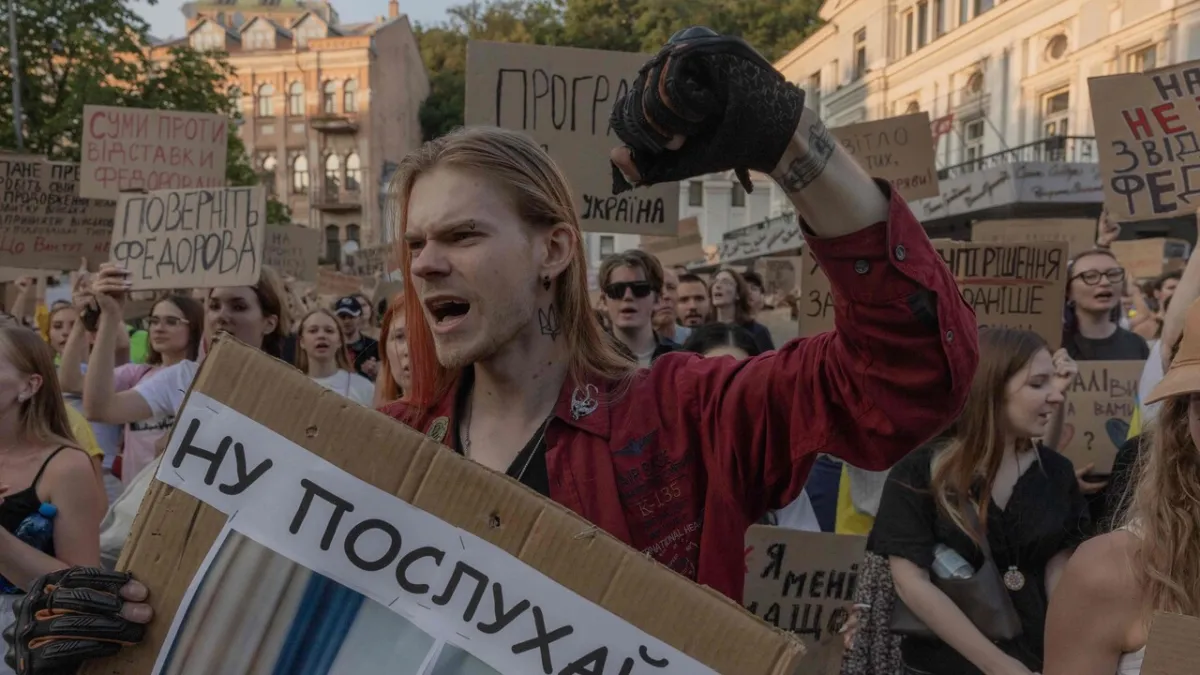
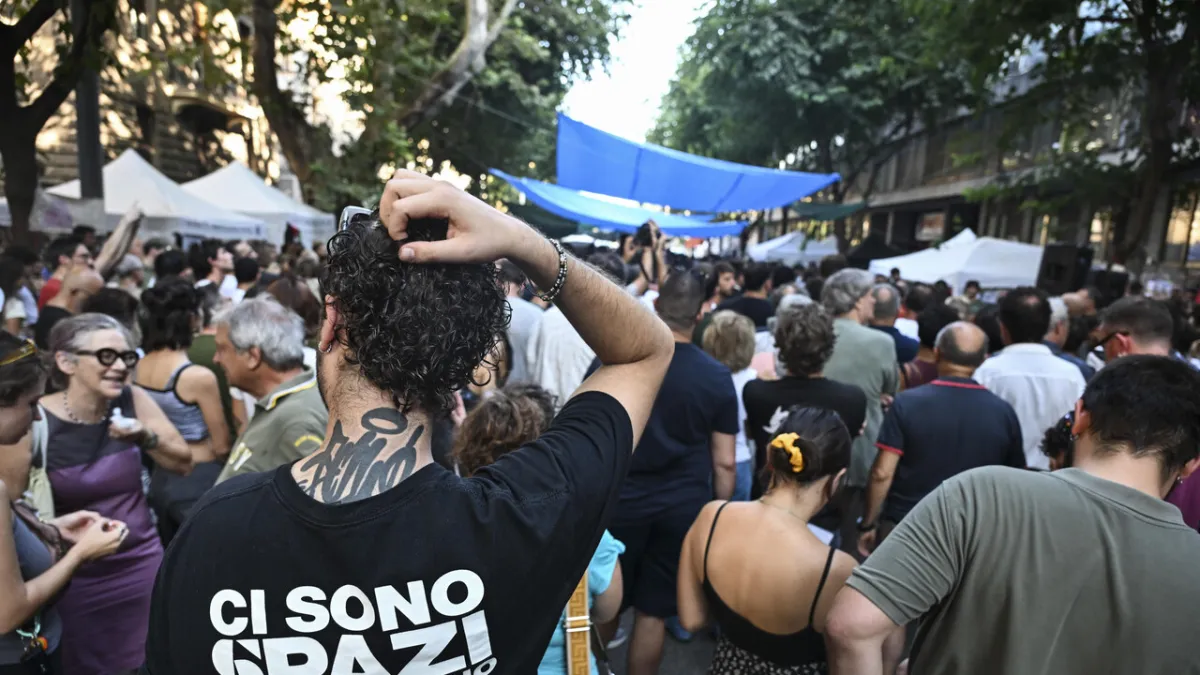
Kyiv — Thousands of Ukrainians once again flooded the capital's center on Tuesday evening, expressing their anger over the government's decision to dismiss the Minister of Defense amidst ongoing geopolitical tensions in Eastern Europe in 2026. This wave of protests marks a significant escalation in Ukraine's internal political dynamics, raising major questions about leadership stability during a crucial period.
The mass action, centered in Maidan Nezalezhnosti, Independence Square, began in the afternoon and continued late into the night. Demonstrators, predominantly war veterans, civil activists, and students, carried banners and posters demanding the President reconsider the controversial decision. A tense but orderly atmosphere enveloped the demonstration, demonstrating the maturity of Ukrainian society's democracy.
The dismissed Defense Minister, a figure respected among the military and the public, was widely regarded as having done an excellent job in modernizing the armed forces and maintaining troop morale. His dismissal, reportedly without adequate explanation, sparked widespread speculation and deep public outrage. Many observers view this move as a political blunder with the potential to weaken national defense.
The decision to remove the minister was made by the President on Monday morning, triggering a wave of criticism from across the political spectrum, including from within the ruling coalition parties. Some local political analysts suggest that the decision might be linked to internal cabinet dynamics or pressure from certain factions aiming to consolidate power ahead of upcoming elections.
A presidential spokesperson, who declined to be named, stated briefly to the media that job rotation is common in government and aims to strengthen cabinet efficiency. However, this explanation failed to quell public anger and instead widened the gap of distrust between the government and the people.
Several opposition leaders seized this momentum to call for greater transparency and accountability from the executive. They highlighted the importance of leadership stability in the defense sector, especially given the vulnerable regional security conditions in 2026. “Such reckless decisions will only benefit our enemies,” said a member of parliament from the opposition faction.
Similar protests were also reported in several other major cities, albeit on a smaller scale. This phenomenon indicates that dissatisfaction with government policy is not solely concentrated in the capital but has spread to various regions. Local governments are urged to facilitate constructive dialogue to find the best solutions for the nation.
International political observers are closely monitoring the situation. They fear that internal political instability could undermine Ukraine's efforts to rebuild its economy and strengthen its position on the global stage. Stability is key to attracting foreign investment and maintaining the trust of international partners. This event is reminiscent of similar incidents in Europe, such as when the public questioned the Moral Compass of the Berlin Senate which allegedly funded Islamist organizations? Such incidents emphasize the importance of accountability in every political decision.
This situation adds to the long list of challenges facing the President of Ukraine in 2026. From economic pressures to security issues, the current leadership is under intense scrutiny. How the government responds to this wave of protests will be a crucial test of its legitimacy and capacity.
The Ukrainian government is expected to take concrete steps soon to de-escalate tensions and transparently explain the reasons behind the Defense Minister's dismissal to the public. Failure to do so could exacerbate the crisis of trust and trigger broader social unrest.