 Chris Robert
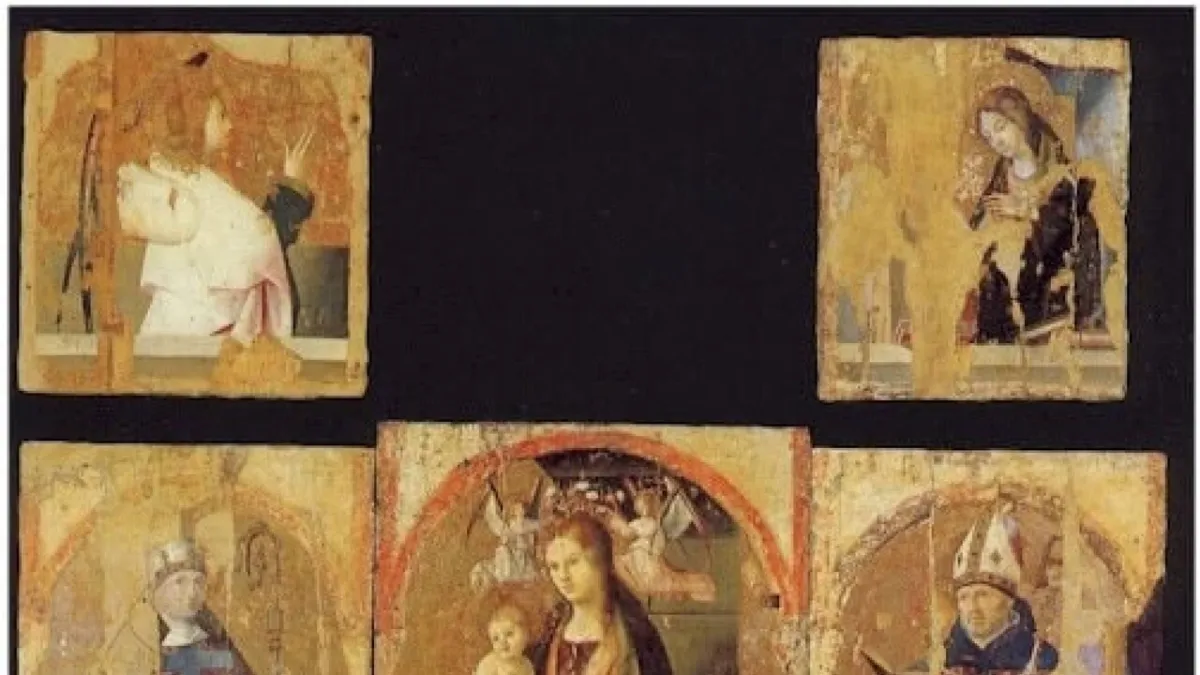
PALERMO – The art and cultural world of Italy is reeling from a brazen theft in the Sicilian capital, Palermo, which occurred recently. Four invaluable panels from the masterpiece Polyptych by the legendary Renaissance artist Antonello da Messina have vanished from a prominent museum. This audacious incident immediately triggered a massive investigation and global concern for the security of artistic heritage.
The theft specifically targeted three out of five panels of the Polyptych, a religious composition considered one of Antonello da Messina's highest achievements. The stolen artworks possess immeasurable historical and artistic value, representing the genius of the 15th-century painter known for his revolutionary use of oil painting techniques.
Antonello da Messina, born in Messina, Sicily, was one of the most influential painters in southern Italy. His work is recognized for its precise detail, emotional depth, and a blend of Italian style with Flemish techniques. The disappearance of parts of this Polyptych is not merely a financial loss but a tear in the fabric of art history.
Authorities in Palermo, including the Italian National Police and the Carabinieri, immediately launched a wide-ranging search operation. Law enforcement agencies scoured every corner of the city and potential exit routes, striving to track down the perpetrators and secure the artworks before they could change hands into the international black market.
General Lorenzo Rossi, Head of the Italian Cultural Heritage Protection Division, expressed his determination to swiftly recover the stolen artworks. We will utilize all available resources to trace these items. This is not just a theft; it is an attack on our cultural identity, he asserted during a press conference held at police headquarters.
Such art theft incidents often involve organized criminal networks operating across national borders. Experts suspect the primary targets for thieves are unscrupulous private collectors or sales on the black market for exorbitant prices, far below their true estimated value.
Museum security across Italy and Europe has come under sharp scrutiny following this event. Many are calling for a re-evaluation of security protocols, including surveillance systems, motion sensors, and patrols. Critical questions arise regarding how the perpetrators managed to bypass what should have been stringent museum defenses.
The estimated value of the stolen panels could run into millions of euros on the open market, but for art history, their value is incalculable. The presence of these four Polyptych panels on the black market would damage the overall integrity of the artwork and make its recovery a significant challenge.
Calls for international cooperation have been issued. Interpol and Europol are expected to be actively involved in the investigation, sharing intelligence to prevent the sale or smuggling of these artworks abroad. Public education on the importance of reporting the whereabouts of stolen art is also considered vital.
This theft also reawakens awareness of the vulnerability of cultural heritage amidst modern criminal threats. Palermo, a city rich in history and art, now grieves over this invaluable loss. This event adds to the list of criminal incidents in the city, following events such as those that occurred in Zen Palermo.
Editorial Insight: The theft of an artwork of Antonello da Messina's caliber is a severe blow to global cultural heritage. This incident highlights serious security vulnerabilities within art institutions, demanding a more coordinated response from governments, law enforcement agencies, and the international community. The success of this investigation will set an important precedent for the protection of cultural assets in the future.