 Angela Stefani
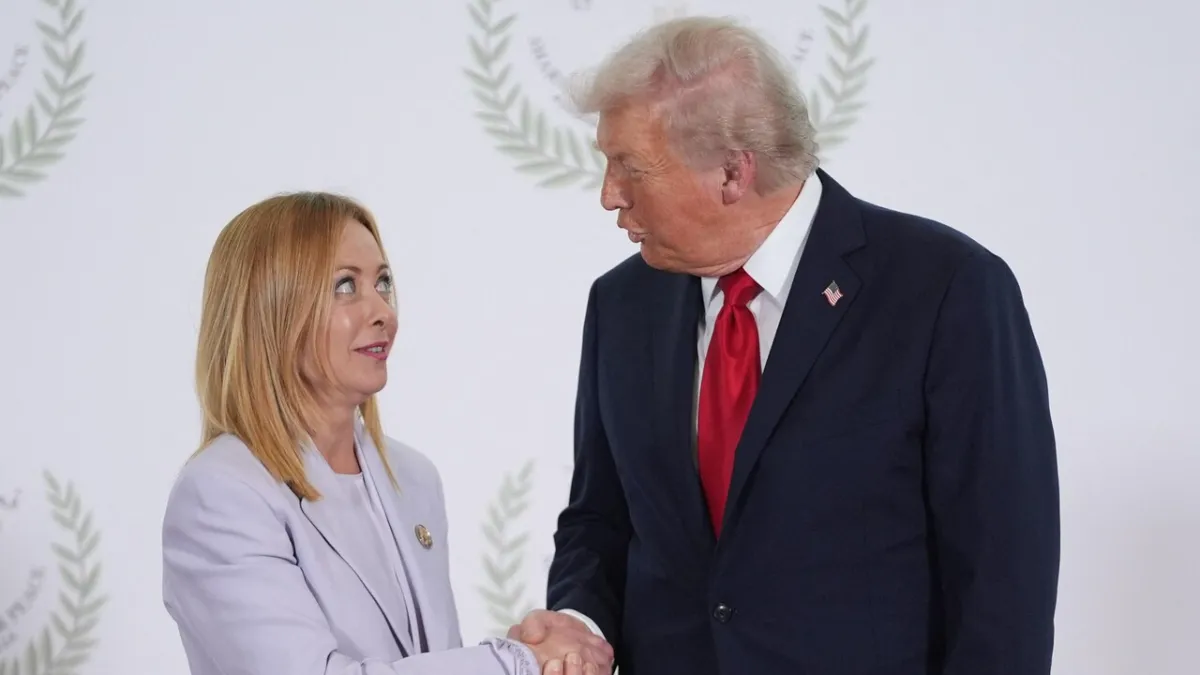
ROME – Italian Prime Minister Giorgia Meloni recently made a surprising revelation to The New York Times, stating that she initially believed cooperation with US President Donald Trump would be smoother due to ideological convergences. However, the reality of international political dynamics following Trump's return to the White House has proven quite different from her initial expectations.
Meloni, who leads Italy's right-wing government, shared her perspective in an in-depth interview, highlighting the complexities of transatlantic relations amidst the continuously shifting global geopolitical landscape in 2026. The statement underscores the challenges world leaders face when interacting with Trump's 'America First' approach.
I believed that with President Trump, things would have been easier given our points of convergence, Meloni stated, as quoted by The New York Times. But in reality, things went in a different way. This quote implies unexpected friction or at least unforeseen obstacles in the cooperation between the two leaders.
The convergences Meloni referred to likely encompass shared conservative ideologies, skepticism towards certain multilateral institutions, and a firm approach to immigration issues. Both leaders hail from political backgrounds that prioritize national sovereignty and oppose excessive intervention from supranational entities.
Nevertheless, the practical implementation of such political agendas often creates friction. Trump's transactional and domestically focused foreign policy frequently places traditional allies in challenging positions, forcing them to navigate their respective national interests more carefully.
For Italy, maintaining good relations with the United States remains essential, particularly in the context of economic and security stability in Europe and the Mediterranean. Meloni's statement indicates that despite ideological similarities, political pragmatism and differing national interests remain key determinants in high-level diplomacy.
Global political analysts suggest that the difficulties experienced by Meloni might reflect a broader pattern in US relations with its European allies. Many European leaders, even those with similar political inclinations, have had to adapt to Trump's less predictable and more direct diplomatic style.
Meloni's presence on the international political stage has strengthened Italy's position, yet domestic challenges such as economic reform and migration management remain priorities. Dynamics with the US that are not as smooth as anticipated could add another layer of complexity to her government's agenda.
This comment from the Italian Prime Minister also has the potential to influence how other European Union countries project their relations with the Trump administration. It could prompt further reflection on Europe's collective strategy in dealing with future US policies.
The discrepancy between Meloni's expectations and global political reality highlights that ideological alignment does not always guarantee seamless international cooperation. Strategic interests, domestic conditions, and individual leadership styles remain crucial factors shaping the diplomatic landscape.
Editorial Insight: Giorgia Meloni's statement serves as a sharp reminder that international politics involves more than just ideological alignment. Despite clear 'convergences' with Donald Trump, the hurdles in cooperation suggest that geopolitical factors, competing national interests, and personal diplomatic styles carry equal weight. This indicates an era of transatlantic relations that demands greater strategic adaptation from European nations, including Italy, in confronting Washington's consistent 'America First' approach. Moving forward, Italy may need to balance ideological proximity with pragmatism in its foreign policy endeavors.