 Dodi Irawan
MUNICH — Münchner Stadtwerke (Munich City Utilities) is progressively implementing and expanding an innovative district cooling (Fernkälte) system, a strategic move to centrally supply six-degree Celsius cold water to various buildings. This ambitious initiative is expected to significantly reduce energy consumption compared to conventional air conditioning systems, marking a new chapter in the city's journey towards urban sustainability by 2026.
The adoption of this central cooling technology emerges as a response to the urgent need for more environmentally friendly and efficient climate solutions. With rising global temperatures and urban growth, the energy burden for cooling buildings continues to skyrocket, demanding continuous innovation.
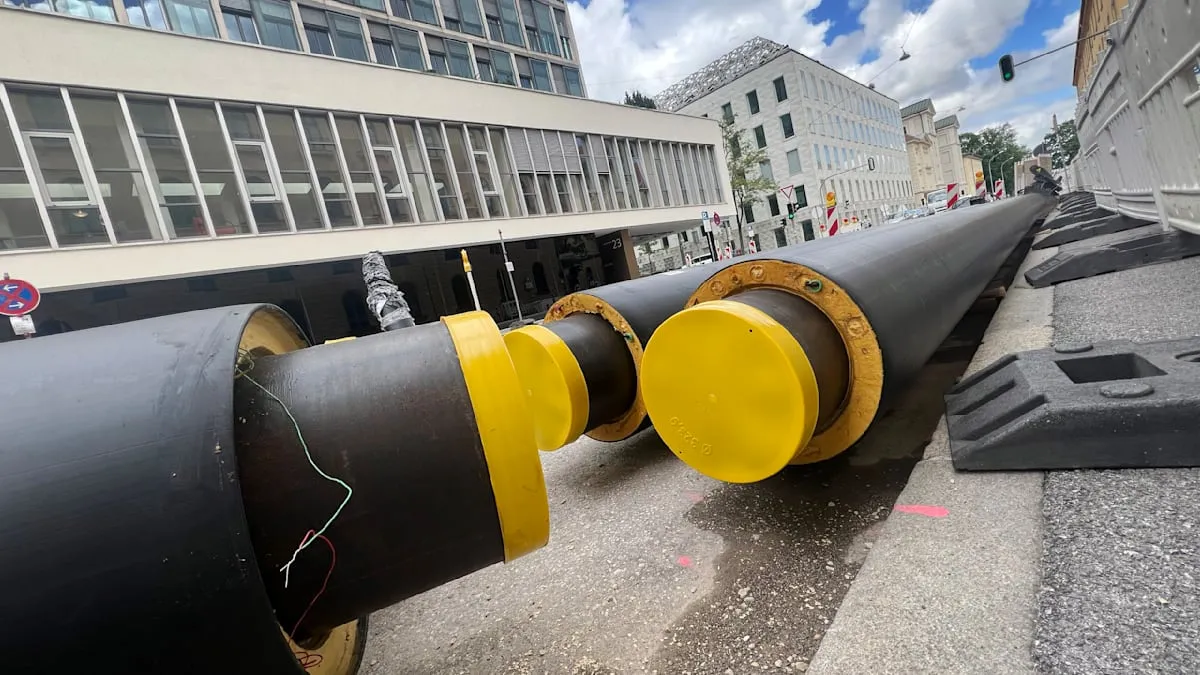
The Fernkälte system works by distributing chilled water from a central production facility through an underground pipe network directly to buildings that require it. This cold water is then used to cool indoor air, before being pumped back to the central facility for re-cooling in a closed loop.
Compared to individual air conditioning units installed in each building, this centralized approach is far more efficient. The large operational scale allows for the utilization of advanced cooling technologies and cleaner energy sources, such as geothermal or biomass, which are difficult to implement in smaller units.
Münchner Stadtwerke affirms its commitment to Munich's vision as a carbon-neutral city. This district cooling system is a crucial pillar in achieving that ambition, not only reducing CO2 emissions but also minimizing the urban heat island effect.
Environmental experts and urban planners welcome this initiative, calling it an exemplary model for other European metropolises. They believe that investing in green infrastructure like Fernkälte is a long-term investment in the quality of life for city residents.
Economically, the system offers lower operating costs for building owners in the long run, and reduces strain on the city's power grid during peak demand. This means a more stable electricity supply and a lower risk of blackouts.
Nevertheless, the implementation of such a large-scale project inevitably faces challenges, particularly in terms of substantial initial investment and the complexity of constructing pipelines beneath already dense urban infrastructure.
“We are confident that Fernkälte will be a crucial element of our city's future infrastructure,” stated a representative from Münchner Stadtwerke at a press conference in early 2026. “This is not just about cooling; it's about building a more resilient and sustainable city for future generations.”
Expansion of this system is projected to continue throughout 2026, reaching more commercial and residential areas across Munich, accelerating the transition towards a cooler and more energy-efficient urban landscape.
By focusing on innovative cooling technology, Munich is not only addressing local climate issues but also setting a global standard for other major cities. The success of this project is expected to inspire the adoption of similar solutions worldwide.
This proactive step by Münchner Stadtwerke demonstrates how the public utility sector can be a driving force for positive change. Integrating green technology into urban systems is key to effectively and sustainably tackling global environmental challenges.
Ultimately, this district cooling system is more than just a technical innovation; it reflects Munich's deep commitment to responsible development. The city is determined to be a pioneer in creating urban environments that are comfortable, efficient, and in harmony with nature.