 Debby Wijaya
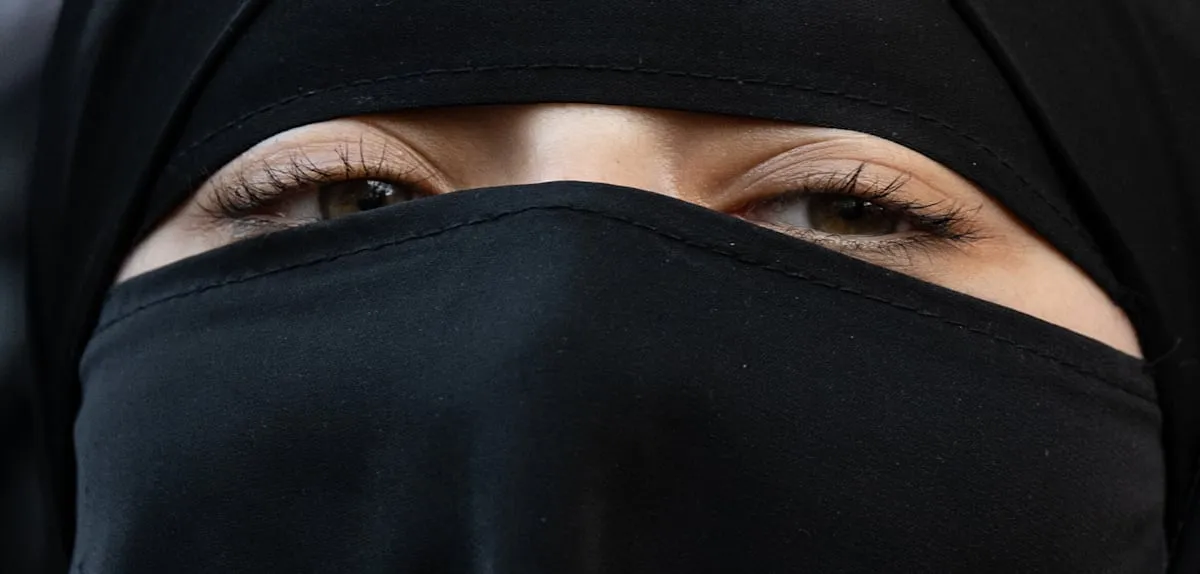
Frankfurt — A recent shocking incident has shaken Germany's social landscape, as five girls aged between eleven and thirteen suddenly appeared wearing burqas at the social institution "Die Arche" (The Ark) in Frankfurt. This event quickly triggered a wave of concern and fierce debate regarding the symbolism of political Islam and the challenges of integration in the country in 2026.
The unexpected appearance of the children, all in full veils, occurred at a facility known for providing support and security to disadvantaged children and adolescents. This sight immediately drew the attention of the management and staff, raising profound questions about its origins and implications.
Bernd Siggelkow, the founder of "Die Arche", declared the incident a serious "warning signal". He emphasized that the presence of burqas on children at such a vulnerable age is not merely a fashion choice, but a representation of an ideological agenda that potentially threatens the liberal and open values of German society.
Strong reactions also came from the women's group within the Christian Democratic Union (CDU), one of Germany's main political forces. They immediately called for a total ban on the use of full veils, including burqas and niqabs, in all public spaces. According to them, "Burqas and niqabs are symbols of political Islam," which contradicts the principles of equality and individual freedom.
Debate regarding the use of full veils is not a new issue in Germany or Europe as a whole. For decades, this topic has been a point of friction between religious freedom and demands for social integration, security, and national identity. This incident in Frankfurt reignites that discussion with new intensity, particularly because it involves school-aged children.
Political analysts and sociologists highlight that this event could deepen polarization within German society. While some argue that a ban is a necessary step to protect children and secular values, others worry that it could trigger discrimination and worsen the marginalization of certain communities.
The German government in 2026 faces significant challenges in balancing individual rights, social cohesion, and efforts to combat extremism. The incident at "Die Arche" adds to the complexity of the national integration agenda, requiring a multifaceted and sensitive approach.
Several legal experts are reviewing whether existing laws are sufficient to handle such situations, or if new regulations specifically addressing the use of full veils by minors are necessary. This discussion also touches upon the aspect of protecting children from ideological influences deemed harmful.
This case also highlights the important role of social institutions like "Die Arche" in confronting sensitive issues arising from multicultural societal dynamics. They serve as the frontline in observing social changes and their impact on the younger generation.
The incident in Frankfurt, with all its complexities, reflects a larger struggle in Germany in 2026 concerning identity, tradition, and modernity. The discussions arising from this event will not only shape public policy but also the collective perception of the future of German society. It is reminiscent of broader challenges related to integration, as touched upon in the debate about Germany's 2026 Disaster: Matthäus Unravels the Roots of Lost Young Talent, which also addresses foundational societal issues.
This debate is not limited to the political sphere. Mass media, academics, and the general public are actively engaged in the discourse, seeking fair and sustainable solutions. Diverse perspectives are being heard, from concerns about radicalization to advocacy for minority rights.
Amidst all this, the fate of the five young girls remains a central focus. Questions about how they came to wear burqas and what psychological impact it has on them are humanitarian aspects that should not be overlooked in the ideological debate.
In conclusion, this incident in Frankfurt serves as a barometer for Germany's social resilience. The response to this "warning signal" will largely determine the direction of integration policies and how German society responds to the symbolic manifestations of various ideologies in the coming years.